Orange County Florida Eyes Year-Long AI Data Center Moratorium
Vice Mayor cites water consumption of 5 million gallons daily and power demands equivalent to 100,000 homes as county lacks regulatory framework.
Orange County considers regulatory pause on AI infrastructure
Orange County, Florida officials are weighing a temporary halt to new artificial intelligence data center applications while the county develops regulations for facilities that can consume resources on a scale comparable to small cities.
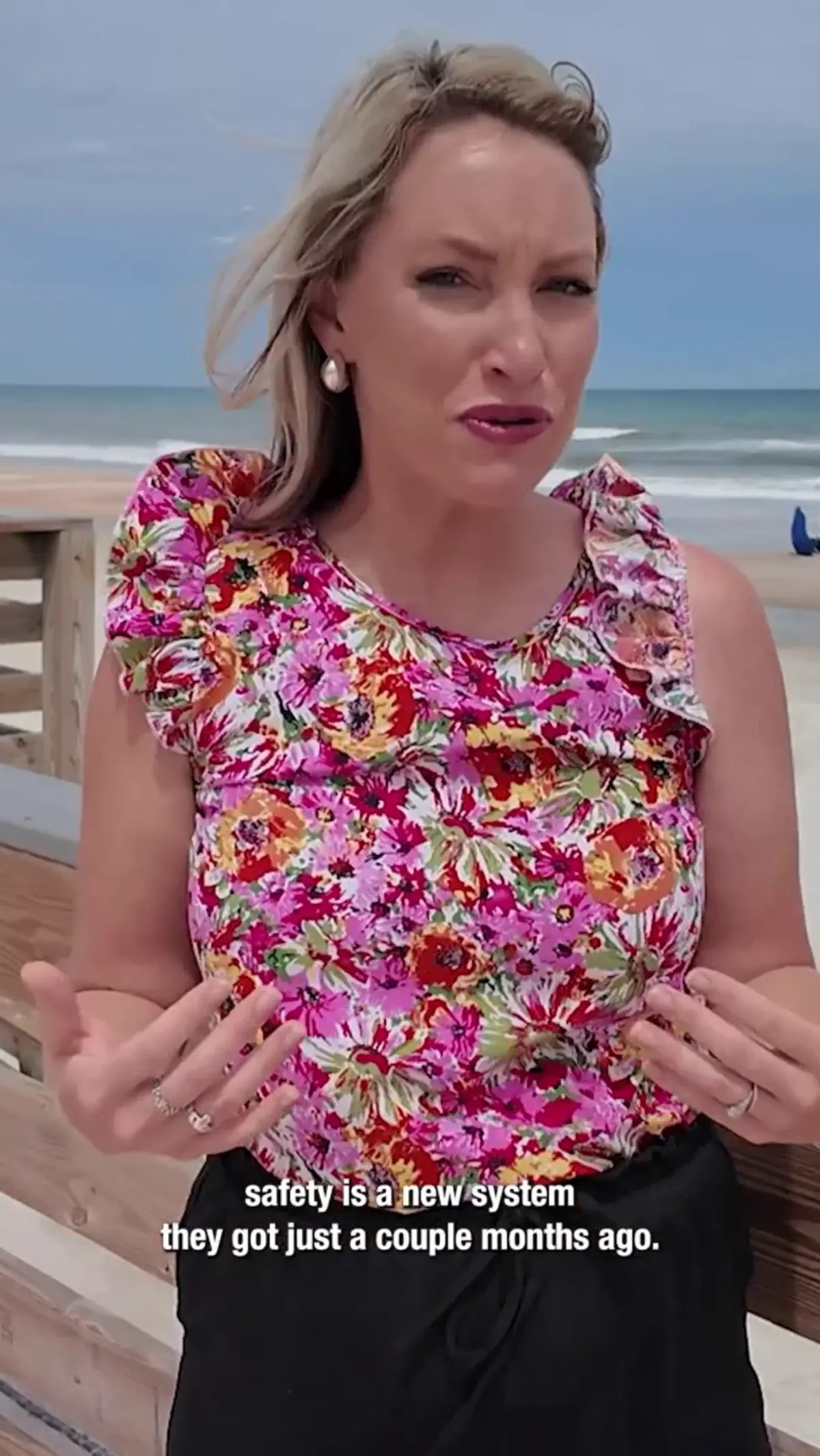
Vice Mayor Kelly Martinez Semrad, who represents District 5, has asked the county commission to impose a moratorium of at least one year on data center applications. The proposal comes as the county currently has no specific land development code language to regulate these facilities, which are implicitly permitted under existing industrial zoning.
Resource consumption drives regulatory concerns
The scale of modern AI data centers has prompted the regulatory review. According to research cited in Semrad's report, a single AI data center can consume as much electricity as 100,000 homes, with facilities in 2024 averaging 224 acres in size—equivalent to roughly 450 football fields.
Water usage presents another significant challenge. Large data centers can require up to 5 million gallons of water per day, according to the Environment and Energy Study Institute. This consumption level raises concerns in a county where utilities rely on groundwater for primary drinking water supply and face a projected regional shortfall of 96 million gallons per day by 2045.
Under Florida law, large-scale data centers are defined as facilities anticipating monthly peak loads of at least 50 megawatts.
Why it matters
The proposed moratorium reflects growing tension between AI infrastructure expansion and local resource constraints. As companies race to build data centers to support AI workloads, counties without existing regulatory frameworks face decisions about facilities that can fundamentally alter local utility capacity and environmental conditions. Orange County's approach—pausing approvals to develop informed policy—may become a template for other jurisdictions confronting similar applications without adequate regulatory tools.
Study period would inform policy development
The proposed moratorium would provide county staff time to assess environmental, social, and economic impacts of data centers, consult with technical experts and residents, and review existing development standards. Semrad emphasized the pause would allow officials to determine whether the county has adequate resources to support such facilities.
"A moratorium is not anti-business, it's not anti-technology," Semrad said. "It's a timeout to give our local government time to get policy, get regulation, to determine if we can even host these facilities."
The moratorium would apply to prospective data center applications and include research into natural resources, community character, economic impacts, zoning implications, and energy capacity.
The Orange County Commission is scheduled to discuss the proposal on September 15. These details were first reported by WKMG ClickOrlando.
This is an original analysis by the Omega editorial team. Source reporting: AI Watch.
Want systems like this working for your business?
Book a Call