Oracle Cuts 21,000 Jobs While Spending $55.7B on AI Infrastructure
The database giant's workforce reduction accompanies a 162% jump in capital expenditures as it races to build data center capacity for OpenAI and other clients.
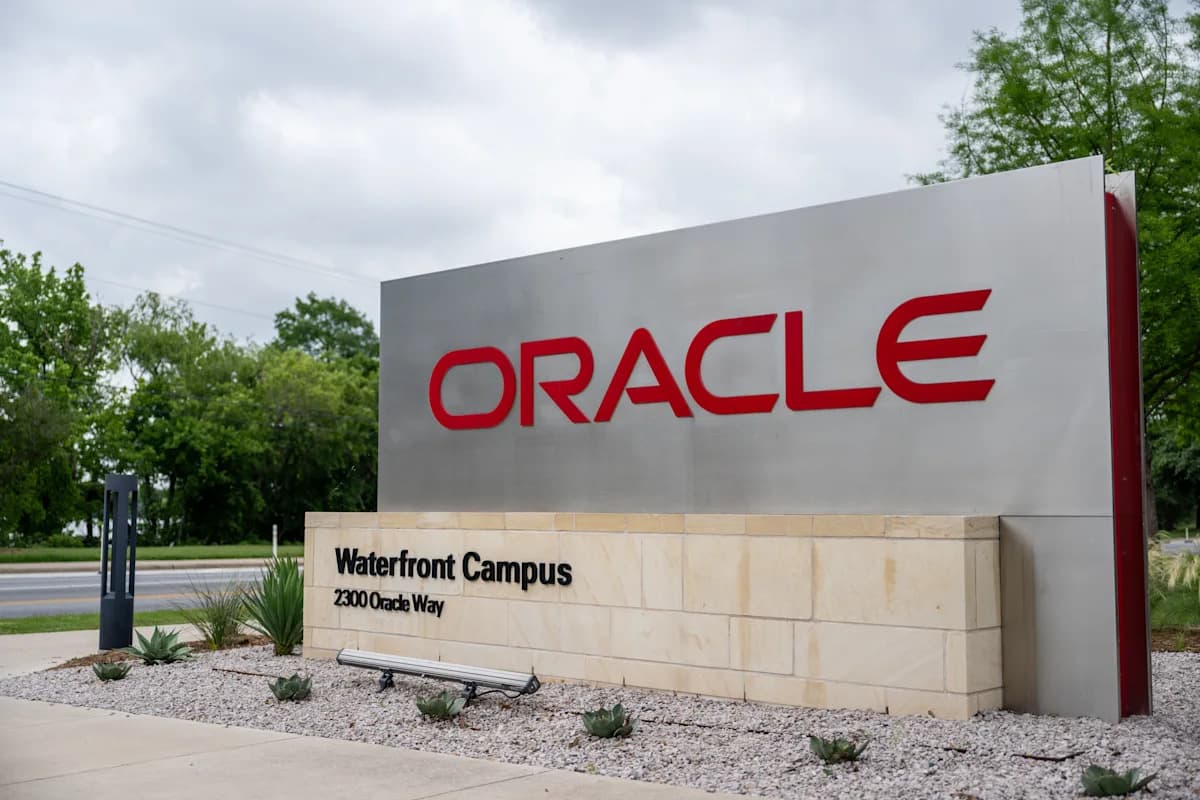
Oracle has reduced its workforce by approximately 21,000 employees over the past year while dramatically escalating investments in artificial intelligence infrastructure, according to the company's latest annual filing with the Securities and Exchange Commission.
The enterprise software company now employs roughly 141,000 full-time workers, down from 162,000 reported in its previous fiscal year. The workforce reduction occurred as Oracle committed $55.7 billion to capital expenditures in fiscal 2026—a 162% increase from the $21.2 billion spent the prior year, as first reported by Yahoo Finance.
The financial impact of AI expansion
Oracle's aggressive infrastructure buildout has significantly affected its cash position. The company's free cash flow dropped to negative $23.7 billion, representing a nearly 6,000% decline. This cash burn reflects the upfront costs of constructing data centers and acquiring hardware before revenue from those facilities materializes.
Despite the negative cash flow, Oracle reported adjusted revenue of $67.4 billion for fiscal 2026. More significantly, the company disclosed remaining performance obligations valued at $638 billion, up sharply from $138 billion the previous year. These RPOs represent signed contracts Oracle must fulfill before recognizing the revenue.
A centerpiece of Oracle's AI strategy is a five-year, $300 billion agreement to provide data center capacity to OpenAI, marking one of the largest AI infrastructure deals in the industry.
Why it matters
Oracle's simultaneous workforce reduction and infrastructure spending illustrates a strategic bet common among major technology companies: that demand for AI computing capacity will justify massive upfront investments. The company is essentially trading current profitability and employment levels for future revenue streams tied to long-term contracts. However, investor skepticism about this approach is evident—Oracle's stock has declined 10% year-to-date and more than 14% over the past year, suggesting the market remains unconvinced about the timeline and profitability of these investments.
Industry-wide pattern emerges
Oracle's approach mirrors broader trends across the technology sector. Amazon, Google, Meta, and Microsoft are collectively expected to spend $725 billion this year on AI-related expenses, including chip purchases, data center construction, and model development.
Workforce reductions have accompanied these investments at multiple companies. Meta has eliminated roughly 8,000 positions during its AI expansion, while Amazon has cut approximately 30,000 jobs. Microsoft has offered employee buyouts as part of its restructuring.
Stock performance among these AI-focused companies varies widely. While Google shares have surged 107% over the past year and Amazon has gained 11%, Microsoft is down 23% and Meta has declined 17%—suggesting investors are differentiating between companies based on execution and business model sustainability.
These details were first reported by Daniel Howley at Yahoo Finance.
This is an original analysis by the Omega editorial team. Source reporting: AI Watch.
Want systems like this working for your business?
Book a Call