OPM Clarifies When AI in Federal Hiring Requires Risk Oversight
New guidance aims to accelerate agency adoption by defining which HR use cases fall outside high-impact AI governance requirements.
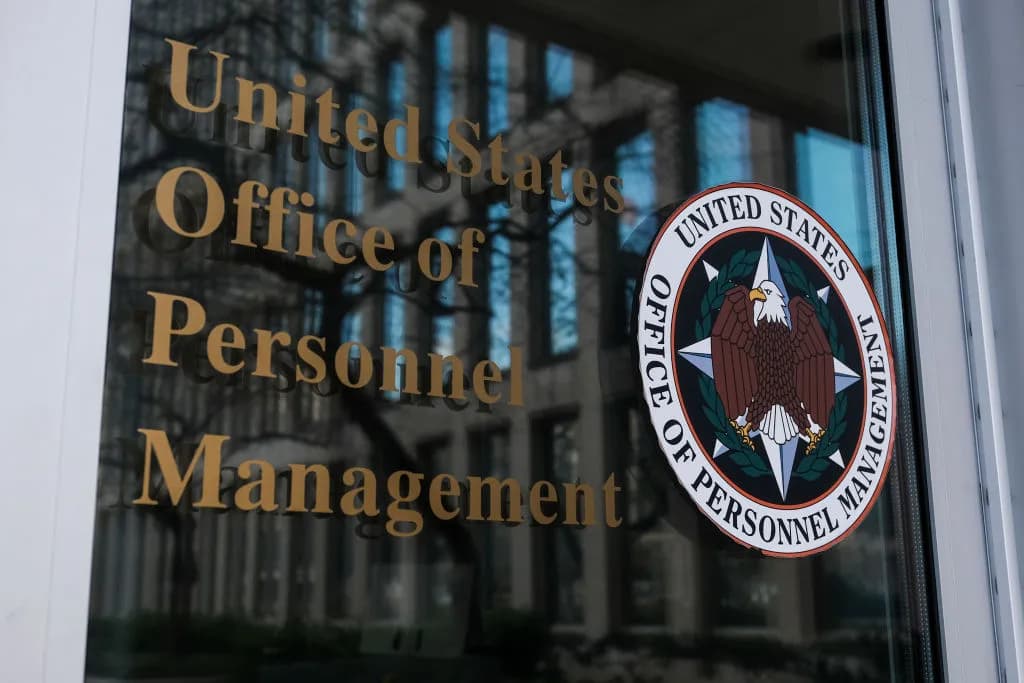
OPM pushes agencies to adopt AI hiring tools
The Office of Personnel Management has issued new guidance clarifying that most artificial intelligence applications in federal hiring do not trigger stringent oversight requirements, a move designed to overcome agency reluctance and speed adoption of the technology across government HR operations.
In a Thursday memo to department heads, OPM Director Scott Kupor stated that agencies avoiding AI in hiring may be sacrificing efficiency and quality. The guidance specifically addresses which use cases fall outside the "high-impact" category established under federal AI governance policy—and therefore don't require extensive pre-deployment testing, impact assessments, or ongoing monitoring for adverse effects.
According to OPM's assessment, AI used for drafting job announcements, evaluating applicants, reviewing candidate files before extending offers, and analyzing hiring metrics generally would not be considered high-impact in most circumstances.
The high-impact designation debate
The classification matters because high-impact AI systems must follow minimum risk management practices under Office of Management and Budget policy that originated in the Biden administration and continued under the Trump administration. The policy presumes certain uses are high-impact if they serve as a "principal basis" for agency actions—including federal employment determinations.
OPM Chief Information Officer Adam Starr wrote in an accompanying blog post that agencies have been "overly cautious," defaulting to the assumption that any hiring AI qualifies as high-impact. The new memo argues that when agency officials independently review AI-generated outputs and make their own determinations, the technology generally doesn't serve as the principal basis for decisions.
Why it matters
This interpretation could significantly expand AI deployment in federal hiring without triggering safeguards designed to prevent discriminatory outcomes. The guidance reflects a fundamental tension in AI governance: balancing innovation speed against protection from algorithmic bias in consequential decisions affecting people's livelihoods and access to federal employment.
Civil society raises concerns about scope
Quinn Anex-Ries, senior policy analyst for civic technology at the Center for Democracy & Technology, acknowledged the guidance provides helpful clarity but expressed concern about its breadth. The most striking example, he noted, is OPM's determination that AI supporting applicant-level evaluations—including candidate summaries and recommendations—generally wouldn't qualify as high-impact.
"A tool can have a really significant impact on an outcome, and it may still not be considered high impact by an agency," Anex-Ries said. He emphasized that the high-impact designation shouldn't prohibit use but rather ensure commonsense safeguards are applied.
Interestingly, OPM's memo includes similar language, reminding agencies that "a high-impact designation is not a prohibition on adoption" and encouraging them to streamline processes where possible.
OPM indicated it will continue adding AI features to government hiring platforms including USAJOBS, USA Staffing, and USA Hire, but told agencies not to wait for those tools before adopting AI consistent with the new guidance.
The details were first reported by Madison Alder at FedScoop.
This is an original analysis by the Omega editorial team. Source reporting: AI Watch.
Want systems like this working for your business?
Book a Call
