OpenAI's Chief Economist Seeks Flexible Thinkers for AI Impact Research
Ronnie Chatterji's economic research team studies how AI affects work, but the job description changes as fast as the technology evolves.
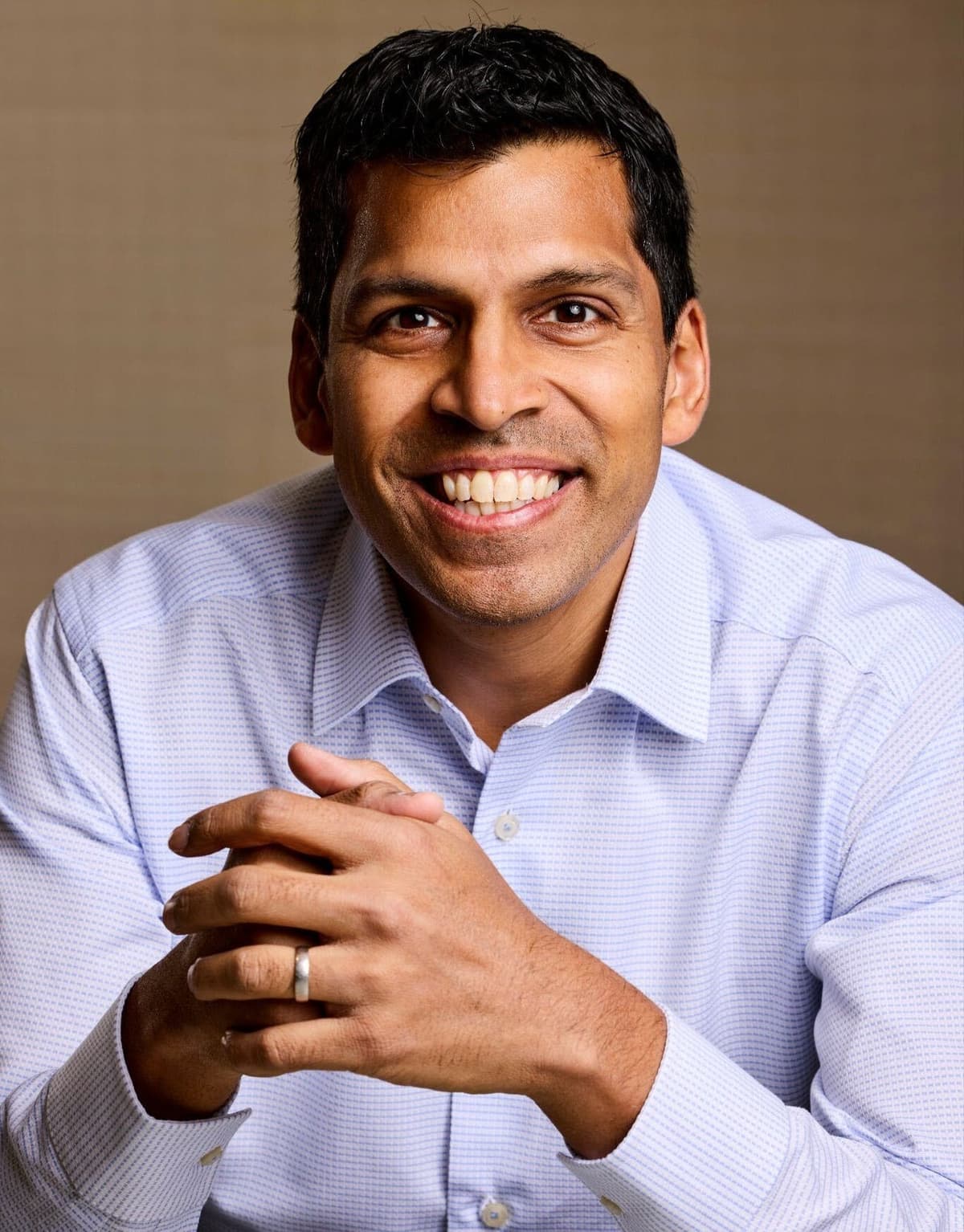
OpenAI has assembled a dedicated economic research team to study how artificial intelligence is reshaping work, business operations, and the broader economy. Leading that effort is Ronnie Chatterji, the company's chief economist, who says the work requires an unusual combination of analytical rigor and comfort with uncertainty.
Chatterji joined OpenAI in 2024 after holding senior economic policy positions in the Biden administration, including coordinating the $52 billion CHIPS program and serving as acting deputy director of the National Economic Council. He also worked as chief economist at the Commerce Department and maintains a faculty position at Duke University focused on business and public policy.
Why it matters
As AI capabilities advance at an unprecedented pace, understanding their economic implications has become critical for policymakers, business leaders, and workers. OpenAI's decision to build an internal economics team signals that even the companies creating these technologies recognize the need for rigorous, independent research into their societal impact. The team's findings could shape how organizations prepare for workforce transitions and how governments craft AI-related policies.
Three core research areas
Chatterji's team of approximately a dozen researchers—including economists, data scientists, business professionals, and former educators and government workers—focuses on three fundamental questions: how AI is currently changing work, how businesses are adopting and reorganizing around AI, and what increasingly capable AI systems could mean for the economy's future.
The challenge, according to Chatterji, is that these questions shift almost as rapidly as AI technology itself. Topics like recursive self-improvement—the ability for AI systems to enhance themselves—weren't on his team's agenda a year ago but now represent active research areas. This constant evolution means traditional economic research approaches must adapt.
What the role demands
Succeeding on Chatterji's team requires several distinctive qualities. Flexibility tops the list. "You have to be comfortable with being uncomfortable," Chatterji explained, noting that team members must apply rigorous economic thinking to questions where complete answers don't yet exist.
Collaboration is equally essential. The team fields frequent questions from colleagues across OpenAI and works closely with external partners including governments and universities. In a recent blog post, the team acknowledged that no single organization possesses the tools or resources to answer these economic questions alone.
Speed matters significantly at OpenAI, which Chatterji described as operating at "a little insane" pace. He cited one study whose June dataset was already considered outdated by August, illustrating how quickly the research landscape shifts.
The position also demands self-direction. Rather than following fixed mandates, team members must help identify which problems warrant investigation and determine the intended audience for their findings.
Chatterji is actively hiring additional researchers, though he declined to specify exact numbers. His own career trajectory exemplifies the adaptability required—his academic research centered on innovation and entrepreneurship, but his OpenAI work now spans labor markets, enterprise adoption, and other diverse economic domains.
These details were first reported by Business Insider.
This is an original analysis by the Omega editorial team. Source reporting: AI Watch.
Want systems like this working for your business?
Book a Call