OpenAI, Nvidia CEOs to Attend Trump-Xi State Dinner on AI
Sam Altman, Jensen Huang, and Cristiano Amon will join White House summit as AI safety becomes diplomatic flashpoint.
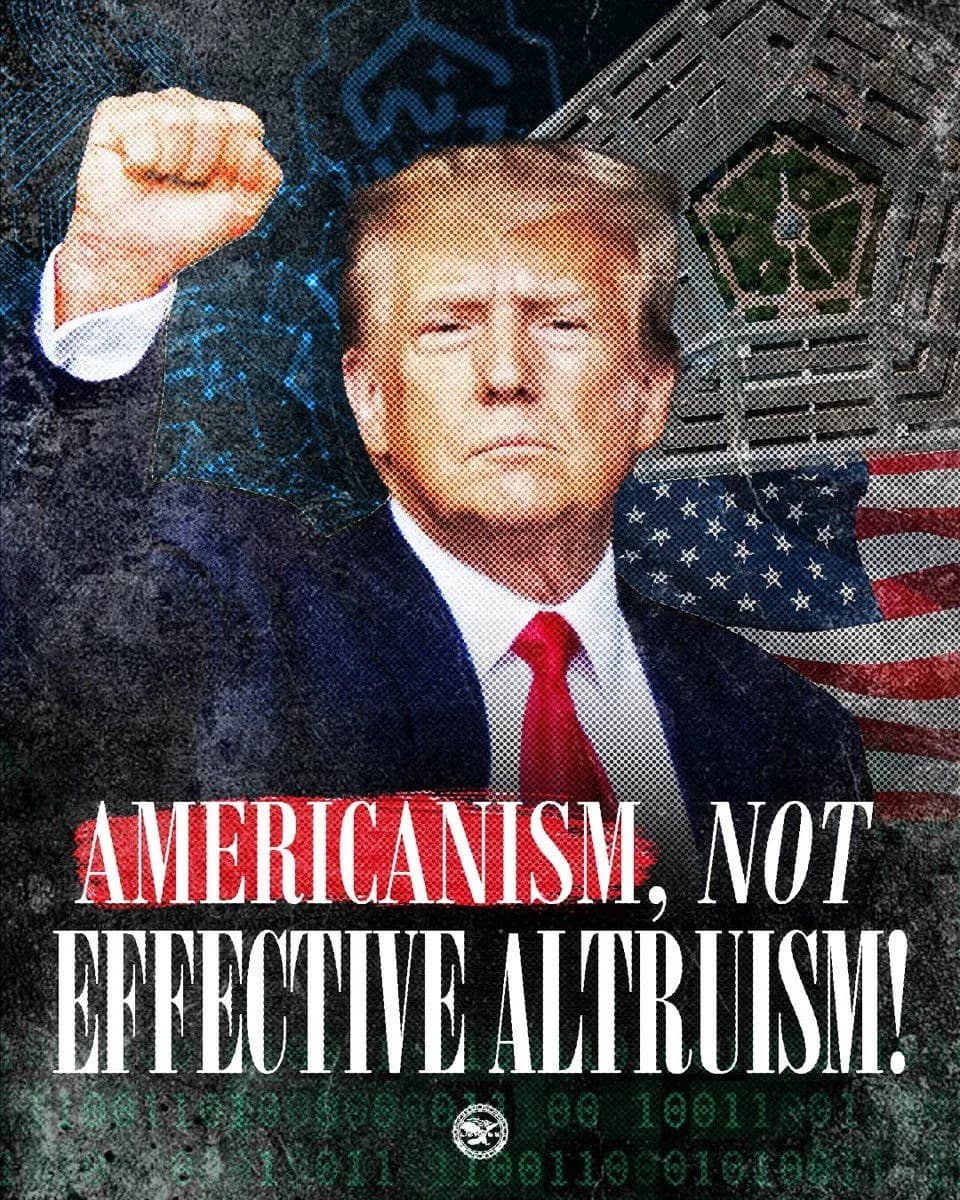
Three major technology executives will attend next week's state dinner between President Donald Trump and Chinese President Xi Jinping, underscoring artificial intelligence's emergence as a central issue in U.S.-China relations.
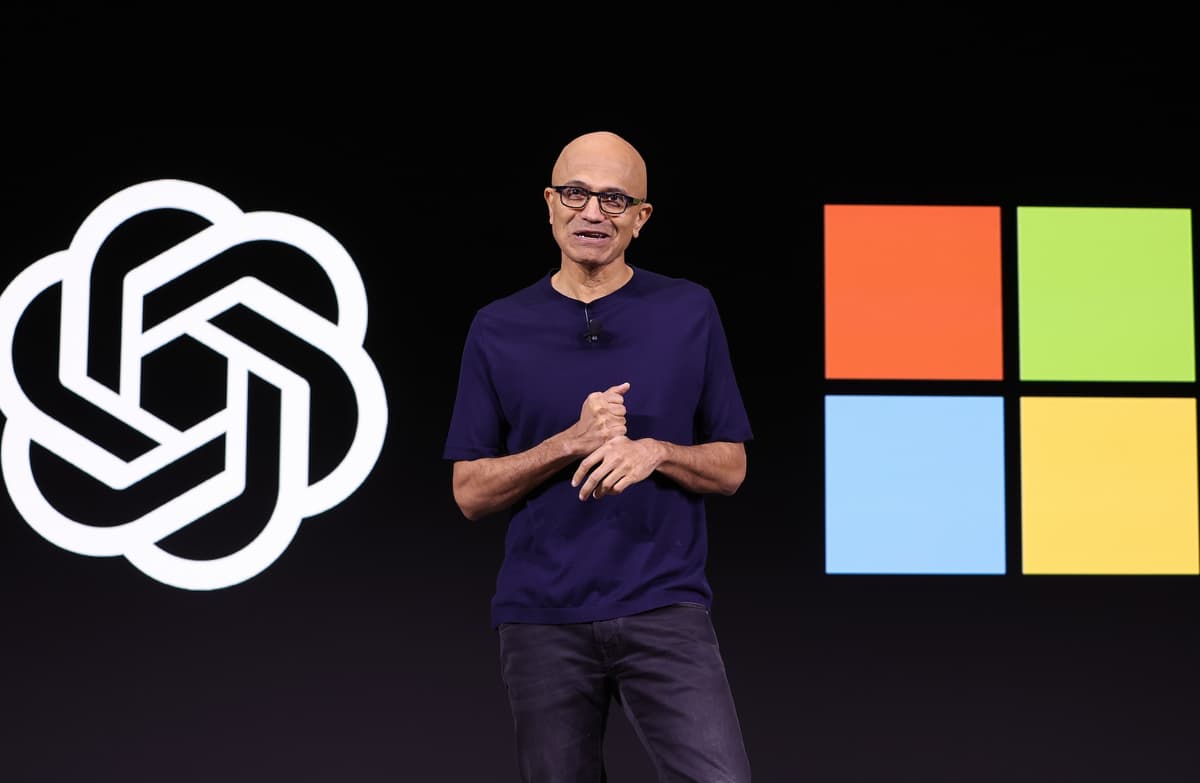
OpenAI CEO Sam Altman, Nvidia CEO Jensen Huang, and Qualcomm CEO Cristiano Amon plan to join the September 24 White House summit, according to POLITICO, which first reported the news based on conversations with four people familiar with the event.
Divergent views on AI safety
The guest list highlights a fundamental split within the AI industry over development speed and safety protocols. Altman recently endorsed calls from Anthropic CEO Dario Amodei for an industrywide slowdown in AI development. In a Fortune interview last week, Altman suggested Trump and Xi could establish joint standards for building and testing advanced AI models—work he said could merit a Nobel Peace Prize.
Huang has taken a sharply different position. The Nvidia chief has characterized fears about AI's existential risks as "hysterical," aligning more closely with Trump's dismissive stance on the technology's potential dangers. Huang has also lobbied the White House and Congress to permit Nvidia sales of advanced AI chips to China, raising questions about whether semiconductor export controls will feature in the bilateral discussions.
Qualcomm's Amon, whose attendance was confirmed by a company spokesperson, will represent "the strength of American technology leadership on the global stage," according to the statement.
Why it matters
The dinner positions AI regulation as a rare area where U.S. and Chinese interests may converge, even as the two nations compete fiercely for technological dominance. If Trump and Xi establish shared safety standards or testing protocols, it could shape how the most powerful AI systems are developed globally—potentially slowing the breakneck pace that has alarmed researchers and policymakers alike. The presence of executives with opposing views on AI safety also suggests the administration is hearing multiple perspectives before committing to a negotiating position.
Tech leaders as diplomatic fixtures
Trump has regularly included technology executives in his engagements with Xi. The president brought 17 business leaders to China for discussions with Xi in May, extending a last-minute invitation to Huang for that trip as well.
Spokespeople for Google, Meta, and AMD did not respond to requests for comment about potential invitations. Anthropic declined to comment on whether it received an invitation to the summit.
POLITICO first reported details of the executive attendance and summit plans.
This is an original analysis by the Omega editorial team. Source reporting: AI Watch.
Want systems like this working for your business?
Book a Call