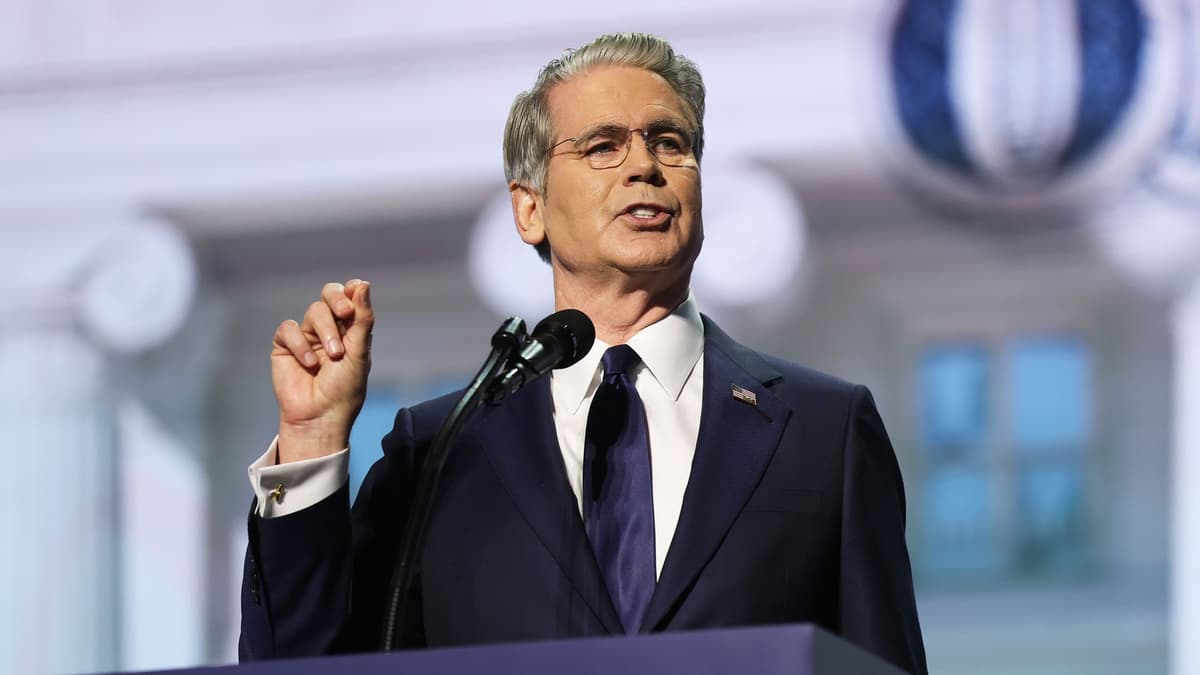
OpenAI Hires Former Trump AI Adviser Dean Ball
Ball, who authored the White House AI Action Plan, will lead strategic futures team starting in July.
OpenAI adds White House AI policy architect
OpenAI has hired Dean Ball, the former top artificial intelligence adviser in the Trump White House, to lead a new strategic futures initiative at the company. Ball will join OpenAI in early July as head of strategic futures, reporting directly to Chief Strategy Officer Jason Kwon, according to sources familiar with the appointment.
Ball served as the primary author of the AI Action Plan released by the White House last summer, a document that outlined the administration's approach to artificial intelligence policy and regulation. He departed the administration shortly after that plan's publication to join the Foundation for American Innovation, a right-leaning technology think tank where he currently serves as a senior fellow. He also holds a visiting fellowship at the Heritage Foundation as of March.
Why it matters
This hire signals OpenAI's continued investment in government relations and policy expertise at a time when AI regulation remains in flux. Ball brings direct experience shaping federal AI policy and maintains connections within the current administration, potentially giving OpenAI enhanced insight into regulatory developments. His appointment also comes as major AI companies compete to influence the policy environment that will govern frontier AI systems.
From White House critic to industry insider
Since leaving the administration, Ball has positioned himself as a vocal critic of certain Trump administration decisions regarding AI companies. Beginning in early March, he emerged as a leading voice opposing the administration's actions against Anthropic, including the Pentagon's designation of the company as a supply chain risk and the White House's recent export restrictions on Anthropic's Fable AI model.
Ball's background includes research positions at George Mason University's Mercatus Center and a program manager role at Stanford University's Hoover Institution. He has also worked at the Manhattan Institute and managed a scholarship program at the Calvin Coolidge Presidential Foundation.
Shaping frontier AI policy
In a Substack post confirming his appointment, Ball outlined his new role's scope. He will lead what he described as "a small, high-agency team" focused on frontier AI policy matters, including catastrophic risk, recursive self-improvement, labor market impact, and the relationships between leading AI laboratories, governments—particularly the U.S. federal government—and society.
The position reflects OpenAI's recognition that policy and regulatory challenges will increasingly shape the competitive landscape for advanced AI development. By bringing in someone with both policy expertise and recent government experience, the company appears to be positioning itself to navigate the complex intersection of technology development and public policy.
OpenAI declined to comment on the appointment.
These details were first reported by Politico.
This is an original analysis by the Omega editorial team. Source reporting: AI Watch.
Want systems like this working for your business?
Book a Call