OpenAI Files for IPO as AI Giants Race to Public Markets
The ChatGPT maker joins Anthropic and SpaceX in pursuing stock listings to fund massive infrastructure costs.
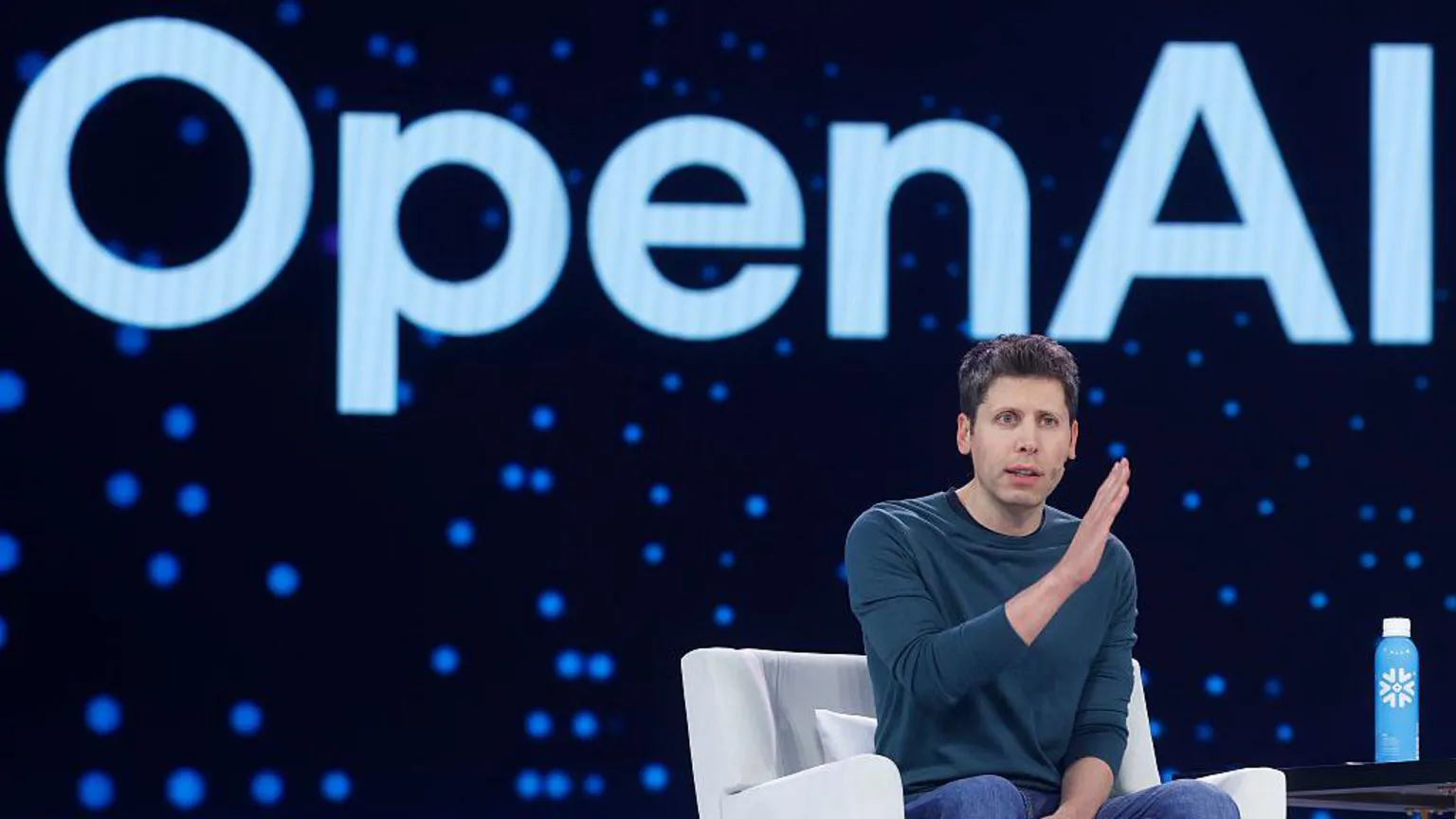
OpenAI has confidentially filed paperwork with the U.S. Securities and Exchange Commission for an initial public offering, the company announced Monday, though it emphasized no timeline has been set for the listing.
The move positions OpenAI alongside rival Anthropic, which announced IPO plans just one week earlier, in a competitive sprint to public markets. SpaceX, which operates the Grok AI chatbot, is scheduled to debut on Nasdaq this Friday targeting a $1.75 trillion valuation.
Why it matters
The simultaneous push toward public listings reveals the financial pressure facing leading AI companies. With compute costs estimated above $100 billion annually for OpenAI alone—far exceeding current revenue—these firms need massive capital infusions to sustain their infrastructure investments in chips, data centers, and model training. The race to go public first could determine which company secures better terms and investor enthusiasm, as early market performance will shape expectations for subsequent AI listings.
Massive Infrastructure Costs Drive Funding Needs
According to Sunil Krishnan from Aviva Investors, speaking to the BBC, the three companies share a "vast need for cash" and "no-one wants to be last" in accessing public markets. The infrastructure required to build and operate advanced AI systems—including specialized chips and the processing power for training models—represents one of the most expensive aspects of running an AI business.
OpenAI's most recent private valuation reached $852 billion, while Anthropic's climbed to $965 billion. Despite these valuations, only Anthropic has indicated near-term profitability, telling investors it expects to turn a profit in the first half of this year based on growing sales of its Claude chatbot and related services.
Strategic Tradeoffs of Going Public
OpenAI acknowledged in its statement that revealing IPO plans involves "a complicated set of tradeoffs." The company said it disclosed the filing because "we expect it to leak," and noted it has not decided on timing because "there are things we want to do that are likely easier as a private company."
Public listings require greater financial transparency and disclosure about product pipelines. As Richard Crowley, assistant professor at Singapore Management University, explained, IPO filings can also slow private funding deals and make them less attractive because companies must reveal more information.
CEO Sam Altman told CNBC last week he was in no rush to take OpenAI public and would proceed "when it makes sense." However, the confidential SEC filing gives the company flexibility to accelerate if conditions favor an earlier debut.
Intertwined Fates in Public Markets
The competition between OpenAI and Anthropic extends beyond users and corporate customers to capital markets. Crowley noted that while the companies are rivals, "the fate of their financing is intrinsically intertwined through the public's perception of the generative AI space."
Anthropic was co-founded five years ago by Dario Amodei after he left OpenAI following disagreements with Altman. The two firms have since competed intensely across all dimensions of the AI business.
These details were first reported by the BBC.
This is an original analysis by the Omega editorial team. Source reporting: AI Watch.
Want systems like this working for your business?
Book a Call