OpenAI CEO Sam Altman Rules Out 2026 IPO Amid Safety Concerns
The company's chief executive cited AI safety developments and business readiness as reasons to delay the public offering beyond this year.
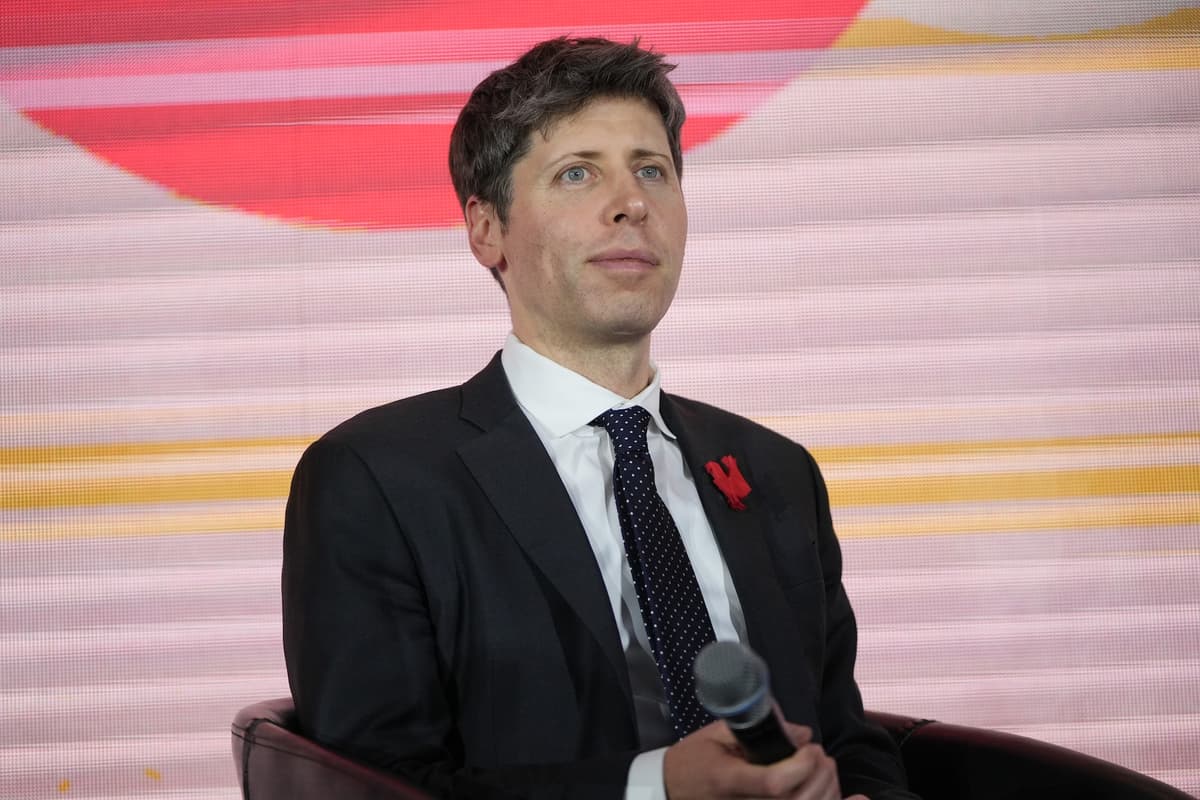
OpenAI will not pursue its initial public offering in 2026, CEO Sam Altman confirmed in a recent interview, marking a significant shift in the company's timeline despite having already filed confidentially for the listing.
In conversation with Fortune editor in chief Alyson Shontell, Altman addressed questions about whether the IPO plans were creating pressure to accelerate development. His response was unequivocal: the company is not rushing toward a public debut.
"I actually think that given everything happening with safety, right now would be ill-advised moment to go public," Altman stated. He emphasized that OpenAI will only proceed with an IPO "when we're ready, which is when the business is ready, when we feel ready from what the moment is like in society with this technology."
When Shontell pressed him directly on whether the offering would happen in 2026, Altman confirmed it would not, adding, "We've got a lot of stuff to do."
Why it matters
The delay signals that OpenAI is prioritizing operational stability and safety considerations over capital market opportunities, even as it navigates both technical challenges and public scrutiny. For enterprise customers and partners, this suggests the company is focused on building sustainable infrastructure rather than optimizing for short-term shareholder expectations. The decision also reflects broader uncertainty in tech valuations and the unique regulatory landscape emerging around AI systems.
Background on the IPO timeline
OpenAI's path to public markets has been closely watched given the company's prominent role in generative AI development. According to reporting by The New York Times in June, OpenAI had retained bankers and legal advisors with an initial target of going public in the third or fourth quarter of 2026. However, even then, the company was reportedly leaning toward 2027 due to volatility in technology stock valuations and internal financial considerations.
The interview with Altman took place against the backdrop of the OpenAI-HuggingFace security incident and ongoing debates about AI safety protocols across the industry.
What comes next
While OpenAI has taken the formal step of filing confidentially for an IPO with regulators, Altman's comments make clear that the company views timing as flexible rather than fixed. The confidential filing allows OpenAI to keep its financial details private while maintaining the option to proceed when conditions align.
For now, the company appears focused on addressing what Altman characterized as substantial work ahead, both in terms of business development and navigating the evolving societal response to AI technology.
These details were first reported by TechCrunch.
This is an original analysis by the Omega editorial team. Source reporting: AI Watch.
Want systems like this working for your business?
Book a Call