Oak Emerges With $60M to Secure Identity in the AI Agent Era
Israeli startup builds unified control plane for identity management as AI agents complicate enterprise access security.
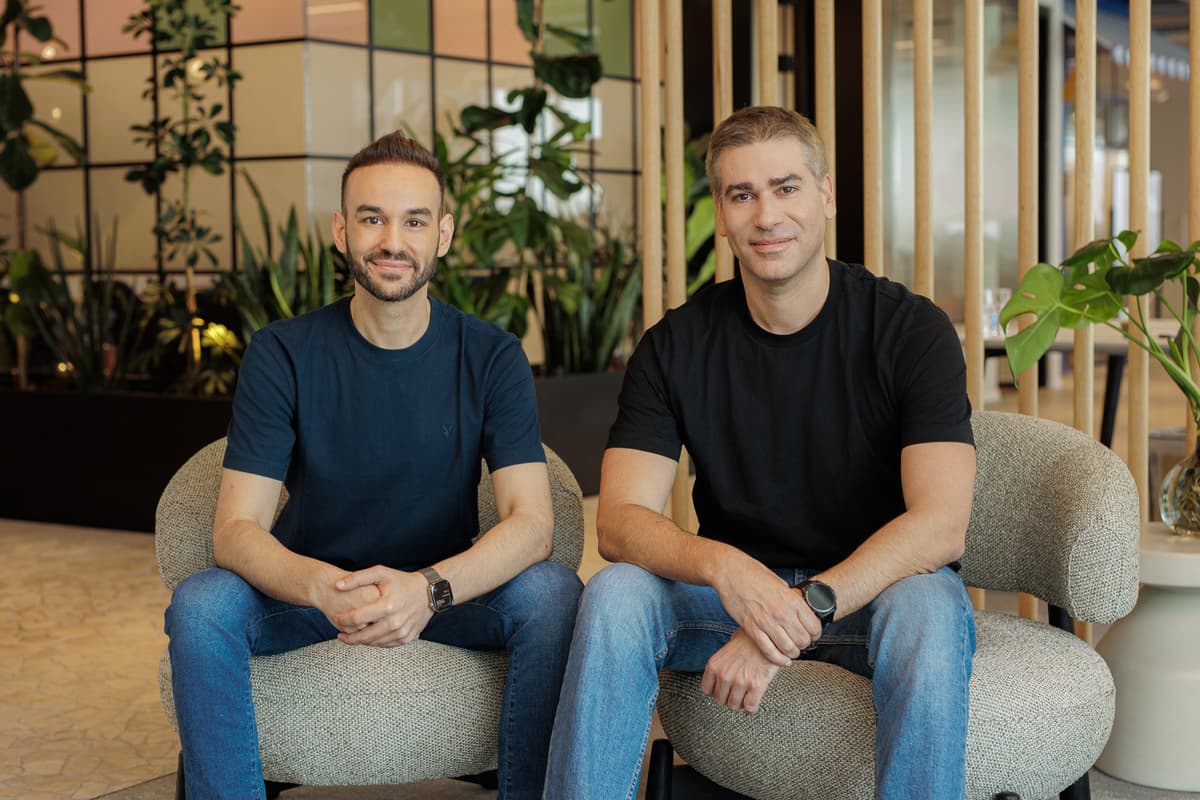
Oak targets identity management for AI-driven workplaces
Israeli cybersecurity startup Oak has emerged from stealth mode with $60 million in seed funding to tackle a growing vulnerability: identity and access management systems that weren't designed for environments where humans work alongside AI agents and autonomous systems.
The company, co-founded by serial entrepreneur Shai Morag and chief product officer Tal Marom, has already deployed its platform with enterprise clients and made it generally available, according to details first reported by TechCrunch.
Oak's solution centers on an AI connector framework that continuously maps access permissions to actual application usage, automatically removing unnecessary privileges in real time rather than waiting for periodic manual reviews. The approach addresses what the founders identified as a fundamental flaw in current identity access management: processes that are operations-based rather than risk-based.
"Right now, the whole process is too manual, and it's operations-based, not risk-based — for instance, there's no trigger when an employee logs in from an unusual location," Morag told TechCrunch.
Why it matters
Outdated credentials and weak identity controls represent one of the most exploited security vulnerabilities in enterprise environments. As organizations deploy AI agents with their own access requirements, legacy IAM systems face compounding complexity they weren't architected to handle. The problem creates expanding attack surfaces that security teams struggle to monitor manually, making automated, risk-based identity governance increasingly critical for enterprise security postures.
Building from CISO feedback
Before writing code, Oak's founding team spent months interviewing 100 CISOs and IAM leaders to understand pain points in existing systems. That research informed the company's positioning as what it calls an "AI-native" platform designed to replace legacy tools that were showing limitations even before AI agents entered the picture.
Morag brings substantial credibility to the venture. He previously sold cybersecurity startup Secdo to Palo Alto Networks in 2018, then founded cloud identity and security company Ermetic, which Tenable acquired for $265 million in 2023. After serving as Tenable's CPO following that acquisition, Morag left and initially planned to retire before launching Oak with Marom, whom he met at Tenable.
Aggressive scaling plans
The $60 million seed round—exceptionally large by Israeli startup standards—was co-led by Accel, CRV, and Greylock Partners, with participation from AlphaDrive Ventures, Hetz Ventures, and angel investors. Oak has already built a team of 50 people and is actively hiring, particularly in the United States, where Morag said most staff will eventually be based.
Accel partner Andrei Brasoveanu, who led Ermetic's Series A when that company was pre-revenue, said his firm had given Morag a standing offer to back his next venture. "There's complexity in the product, and there's also complexity in the organizations you have to navigate to figure out how to sell something like this," Brasoveanu said, explaining why founder experience matters in the identity management space despite AI enabling younger entrepreneurs in other domains.
Both Morag and Brasoveanu expect significant competition as other companies attempt to use AI as a catalyst for disrupting a market characterized by deep vendor lock-in, making rapid scaling essential to Oak's strategy.
These details were first reported by TechCrunch.
This is an original analysis by the Omega editorial team. Source reporting: AI Watch.
Want systems like this working for your business?
Book a Call