NYC Public Schools Ban AI for 500,000+ Students Through 8th Grade
The nation's largest school district will prohibit generative AI use from pre-K through middle school starting in the 2026-2027 academic year.
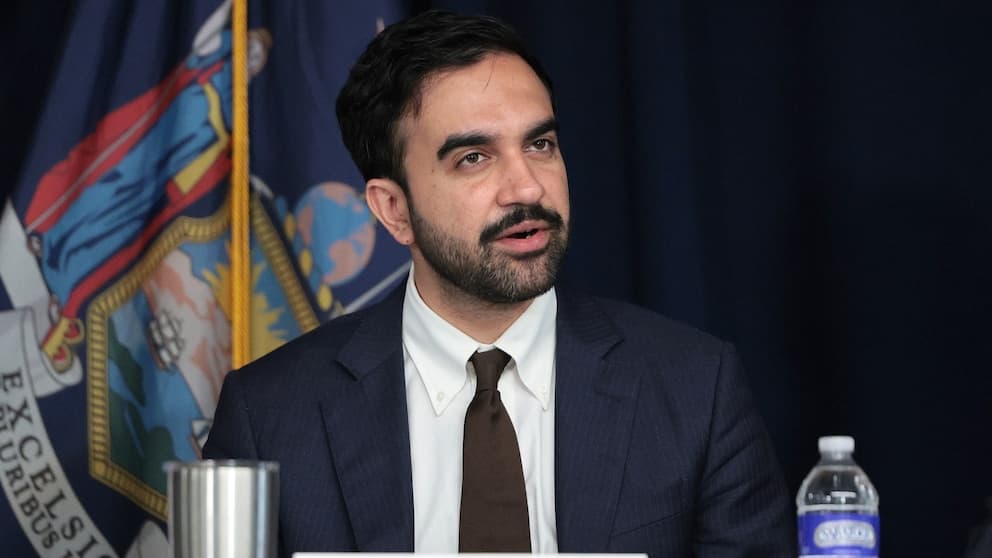
NYC Implements Comprehensive AI Moratorium for Younger Students
New York City Public Schools has confirmed it will ban artificial intelligence tools for more than half a million students and teachers beginning in the 2026-2027 academic year. The prohibition will apply to all students from pre-kindergarten through eighth grade across the nation's largest school district.
Mayor Zohran Mamdani announced the district will implement what he described as a moratorium on generative AI for these grade levels. The policy takes effect when school resumes next week and will remain in place while the city conducts a year-long study examining the technology's impacts on education.
Why it matters
This represents one of the most significant institutional responses to generative AI in American education. With over 500,000 students and teachers affected, NYC's approach could establish a template for other large urban districts weighing similar restrictions. The decision reflects growing concern among educators about AI's role in early childhood and elementary education, even as high schools and universities continue debating how to integrate these tools. The year-long study period suggests the district recognizes it needs evidence-based guidance rather than reactive policy.
Scope and Timeline of the Ban
The restriction encompasses the entire span of early education in New York City's public system. Pre-kindergarten students, elementary school children, and middle schoolers through eighth grade will all be subject to the AI prohibition. Both students and teachers fall under the policy's scope.
The timing gives the district approximately one year to assess generative AI's educational implications before potentially revisiting the policy. This study period indicates the ban may not be permanent, though the district has not specified what criteria would guide future decisions.
Context for the Decision
The move comes amid mounting pressure from education advocates calling for formal guidance and protective measures around AI use in schools. Many educators have expressed concern about the technology's effects on learning fundamentals, particularly for younger students still developing core skills in reading, writing, and critical thinking.
New York City's decision stands out for its scale and the breadth of grades affected. While individual schools and smaller districts have implemented various AI policies, few have enacted such comprehensive restrictions across an entire major metropolitan system.
The district has not yet detailed how it will enforce the ban or what specific AI tools fall under the prohibition. Questions remain about whether the policy applies only to generative AI chatbots like ChatGPT or extends to other AI-powered educational software.
Details were first reported by ABC News.
This is an original analysis by the Omega editorial team. Source reporting: AI Watch.
Want systems like this working for your business?
Book a Call
