NYC Bans Generative AI for Students Below 9th Grade
Mayor Zohran Mamdani institutes one-year moratorium on AI tools in elementary and middle schools, citing lack of evidence for educational benefits.
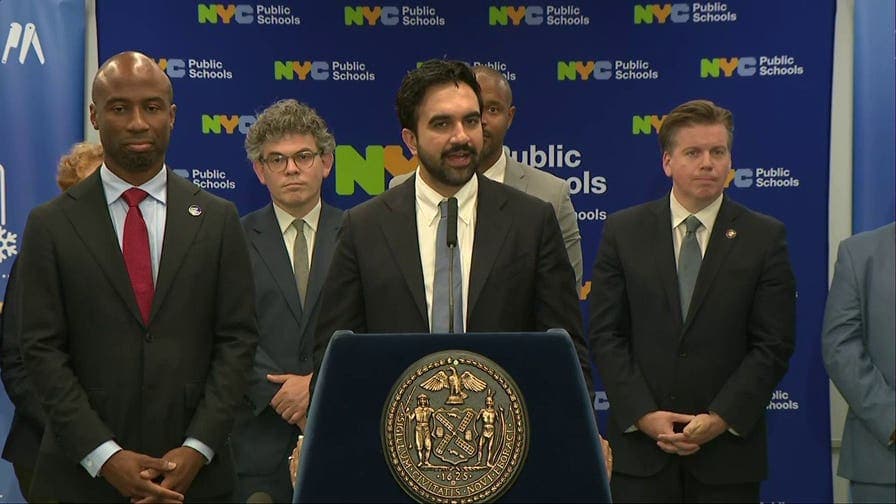
New York City will prohibit students in elementary and middle school from using generative AI tools for at least one year, Mayor Zohran Mamdani announced Wednesday. The policy affects the nation's largest school district and represents one of the most significant municipal restrictions on AI in education to date.
The moratorium applies to all students below 9th grade and takes effect as part of what Mamdani described as a comprehensive AI policy for city schools. The mayor emphasized that the restriction is temporary, designed to give educators and policymakers time to assess the technology's impact on younger learners.
Why it matters
This decision by America's largest school system could influence how other districts approach AI integration in classrooms. With generative AI tools proliferating rapidly, education leaders nationwide are grappling with questions about appropriate age limits and pedagogical value. NYC's approach prioritizes caution over adoption speed, establishing a precedent that student development concerns can outweigh technological momentum.
The rationale behind the ban
Mamdani challenged the technology industry's narrative that AI adoption in early education is both inevitable and necessary. "I have yet to see a study showing that AI is beneficial for students in elementary and middle school," he stated during the Wednesday morning announcement.
The mayor drew parallels to recent efforts by New York Governor Kathy Hochul to restrict cell phones and social media in schools, framing the AI moratorium as part of a broader strategy to shield younger students from potentially harmful technology until they develop the maturity to navigate it effectively.
High school students get different treatment
While younger students face restrictions, high school students will receive structured exposure to AI through five separate educational programs. Mamdani acknowledged that teenagers are "growing up in an AI-saturated world" and need preparation for that reality.
The high school curriculum will address both opportunities and risks associated with AI technology. However, Mamdani stressed that AI tools would supplement rather than replace traditional student-teacher relationships, which remain central to the district's educational philosophy.
Political complications
The AI announcement arrived during a contentious week for Mamdani's administration. His office filed a lawsuit to block a City Council-approved pay increase for teachers, arguing the measure violates state collective bargaining law. The United Federation of Teachers, which had endorsed Mamdani in the mayoral election, intervened in the case and defended the legislation's legality.
UFT President Michael Mulgrew stated the union was prepared for the legal challenge and maintained that the pay increase law was carefully drafted to comply with state regulations governing public employee compensation.
These details were first reported by Fox Business.
This is an original analysis by the Omega editorial team. Source reporting: AI Watch.
Want systems like this working for your business?
Book a Call
