NYC Bans Generative AI for Elementary and Middle School Students
New policy affects 600,000 students and sets strict screen time limits as district responds to parent and teacher concerns.
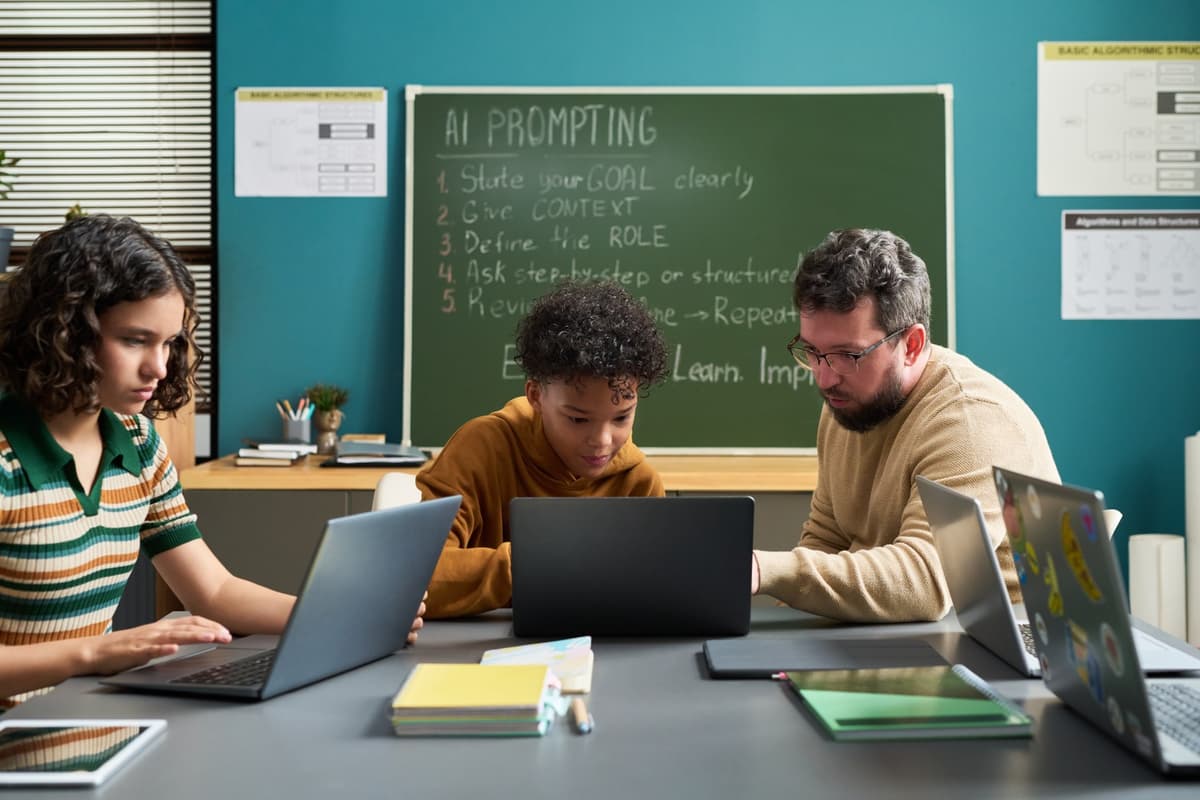
New York City's public school system will prohibit generative AI tools for all students from pre-kindergarten through eighth grade under a new policy set to take effect, according to the New York Daily News.
The ban covers approximately 600,000 students—roughly two-thirds of the district's total enrollment—and extends to any education software with student-facing AI, including instructional programs and AI tutoring systems. The policy also prohibits individual classroom devices for preschool and early elementary grades.
Why it matters
This represents one of the most restrictive AI policies adopted by a major U.S. school district, establishing a framework other systems may follow as they grapple with balancing technology access against developmental concerns. The decision reflects growing unease among parents and educators about AI's impact on critical thinking skills and authentic learning experiences for younger students.
Screen time restrictions accompany AI ban
Beyond AI tools, the policy establishes strict limits on individual device use across grade levels. Students in pre-K through second grade will have no one-to-one screen time. Third through fifth graders face a 30-minute daily limit, while sixth through eighth graders can use devices for up to 45 minutes. High school screen time will vary by school and subject.
Exceptions exist for assistive technology used by students with disabilities or English language learners, short assessments, remote learning days, and approved instructional programs including e-books, robotics, coding, and simulations.
According to briefing slides obtained by the Daily News, district officials emphasized that "younger students need hands-on learning, social interaction, play and teacher-guided instruction. Routine individual screen use can crowd out those experiences."
Limited high school access with supervision
High school students will face "restricted" rather than banned AI use. The technology may be deployed for AI literacy instruction, career and certification programs, and five approved pilot programs in select schools. All use requires teacher supervision, and students must "retain ownership of their thinking and work," according to the policy documents. Officials stressed that pilot tools will not replace teachers.
Delayed rollout follows intense pressure
The policy arrives months behind schedule after fierce backlash to an initial draft released in March. That version focused primarily on teacher and principal use of AI while providing limited guidance on student access—prompting parents to protest at school board meetings and City Hall. An online petition calling for a two-year AI moratorium gathered 5,000 signatures, and a majority of City Council members signed a letter supporting an immediate pause.
During a Council hearing, school officials acknowledged they would miss their June deadline but committed to finalizing the policy before the school year began. Principals were instructed to pause new education technology purchases while the guidance was developed.
Concerns intensified over the summer when an upstate New York district purchased an AI-powered robot, fueling fears about technology replacing teachers. That deployment is now paused.
The city's Department of Education did not immediately respond to requests for comment on enforcement mechanisms for the new policy.
These details were first reported by the New York Daily News.
This is an original analysis by the Omega editorial team. Source reporting: AI Watch.
Want systems like this working for your business?
Book a Call
