NYC Bans AI Tools in Elementary, Middle School Classrooms
Mayor Mamdani's policy blocks generative AI through eighth grade while piloting limited high school programs with strict supervision.
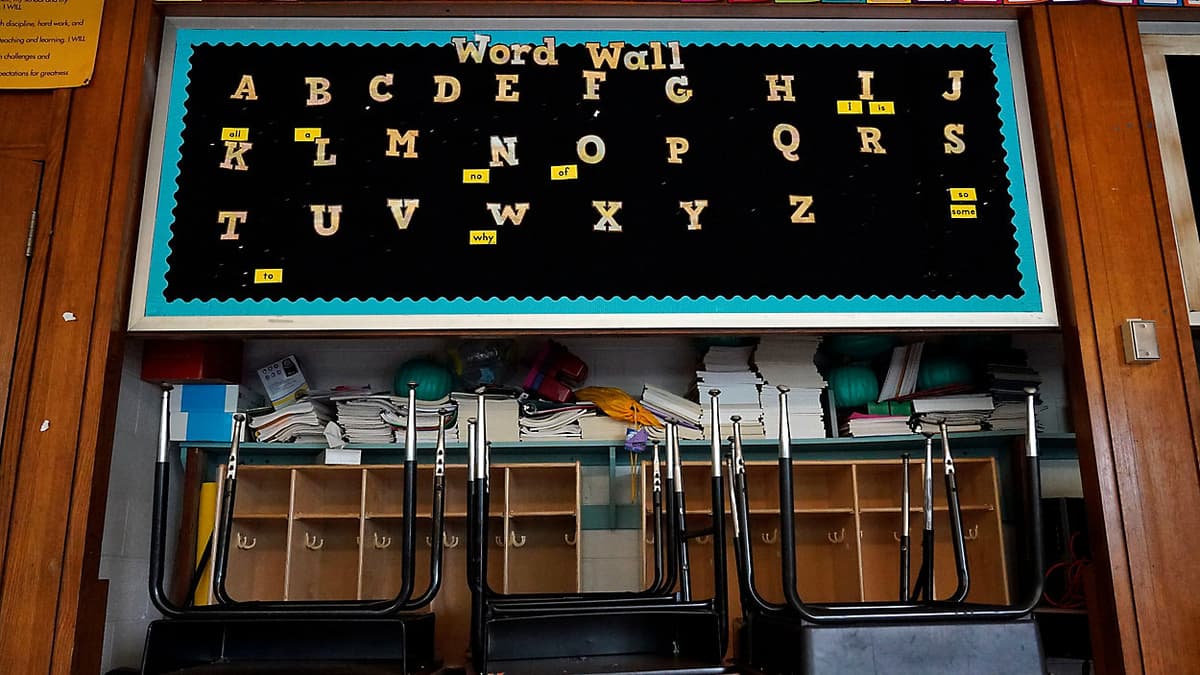
NYC Implements Sweeping AI Restrictions in Public Schools
New York City will prohibit artificial intelligence tools in public school classrooms from pre-kindergarten through eighth grade for the upcoming academic year, officials announced Wednesday. The moratorium extends through the end of the school year and represents one of the most comprehensive AI policies adopted by a major U.S. school district.
The restrictions ban student-facing generative AI software and companion chatbots in elementary and middle school settings. Mayor Zohran Mamdani framed the decision as a rejection of tech industry pressure, stating he has seen no independent research demonstrating educational benefits for younger students from AI tools.
Screen Time Limits Accompany AI Ban
Beyond artificial intelligence, the policy establishes new screen time guidelines across grade levels. Students in second grade and below will face restrictions on one-on-one screen time. The city recommends 30-minute daily caps for third through fifth graders and 45-minute limits for sixth through eighth graders.
Teachers retain access to approved AI systems for lesson planning and administrative work, but student-facing applications remain off-limits in lower grades.
High Schools Get Controlled AI Exposure
The policy takes a different approach for high school students. Five vetted educational AI programs will operate as pilots in high schools, with usage capped at 45 minutes weekly under direct teacher supervision. High schools will also introduce AI literacy courses twice annually to help students understand both the capabilities and limitations of the technology.
Mamdani emphasized that teenagers need preparation for an AI-integrated world while maintaining that the technology will not replace human instruction. "In no way, shape or form will AI replace student-teacher interaction," he said at the announcement.
Why It Matters
This policy establishes New York City as a counterweight to the rapid adoption of AI in education nationwide. While many districts rush to integrate generative AI tools, the nation's largest school system is taking a cautious, age-differentiated approach that prioritizes traditional learning methods for younger students. The decision could influence policy debates in other major districts weighing similar questions about AI's role in K-12 education, particularly as evidence about long-term impacts remains limited.
Focus on Core Learning Skills
The mayor defended the restrictions by highlighting fundamental educational goals that he believes AI undermines. "Kids need to learn to think for themselves, they need to work alongside their peers, they need to learn how to ask better questions, and they need to learn what it feels like to not know the answer," Mamdani said.
The policy reflects skepticism toward corporate claims about AI necessity in early education. Mamdani noted that existing research supporting AI in elementary and middle schools comes primarily from companies with financial stakes in adoption.
These details were first reported by NY1.
This is an original analysis by the Omega editorial team. Source reporting: AI Watch.
Want systems like this working for your business?
Book a Call
