NYC Bans AI Tools for K-8 Students in Yearlong Moratorium
Nation's largest school district will prohibit generative AI through eighth grade while establishing literacy programs for high schoolers.
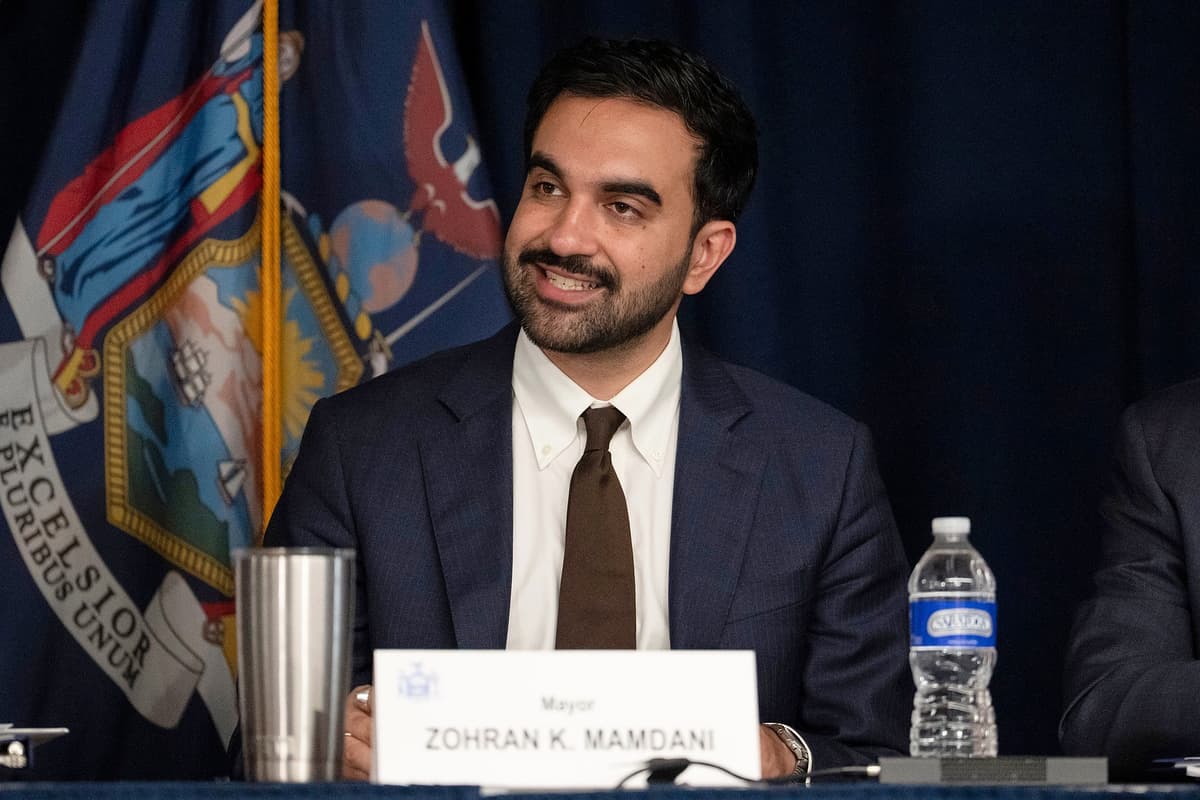
New York City public schools will implement a one-year ban on generative artificial intelligence tools for students through eighth grade, Mayor Zohran Mamdani announced Wednesday. The moratorium represents the most expansive AI prohibition among U.S. school districts, according to city officials.
The policy applies to all student-facing generative AI software in the nation's largest school system and takes effect when students return to classrooms next week. During the yearlong assessment period, city education officials will review how children interact with AI technology and evaluate all technology tools currently used across the district.
Why it matters
School districts nationwide are grappling with how to integrate AI tools without undermining critical thinking skills or enabling academic dishonesty. New York's approach—combining restrictions for younger students with supervised access and mandatory literacy instruction for older ones—could establish a framework other large districts adopt as they develop their own AI policies.
Different approach for high schoolers
While elementary and middle school students face a complete ban, the city will establish mandatory AI literacy classes twice yearly for all public high school students. Select high schoolers will also participate in pilot programs allowing supervised use of approved AI platforms.
Companion chatbots will remain prohibited across all grade levels. Teachers, however, may continue using AI tools for lesson planning and administrative tasks.
The city will recommend daily screen time limits of 30 minutes for third through fifth graders and 45 minutes for sixth through eighth graders.
Broader trend in major districts
Los Angeles Unified School District, the country's second-largest, announced Wednesday it will maintain its temporary block on generative AI tools across all grades while developing a comprehensive student AI policy. In June, LAUSD became the first major district to eliminate school-issued devices for students before second grade as part of sweeping screen time restrictions.
At least 37 states have issued official AI guidance for schools, though no consensus exists on defining AI literacy or standardizing instruction methods.
Mixed reactions from stakeholders
Michael Mulgrew, president of the United Federation of Teachers in New York, endorsed the screen time limits but said the AI policy "leaves many questions unanswered," particularly regarding how the Education Department will ensure purchased products include adequate AI safeguards.
Josh Golin, executive director of children's advocacy group Fairplay, argued the one-year evaluation period falls short. "A year to evaluate is not nearly enough time," Golin said, adding that AI platforms should bear responsibility for demonstrating their products are effective teaching tools that don't displace face-to-face interaction or enable widespread cheating.
Mayor Mamdani framed the cautious approach as consistent with educational values. "Each day when our children come to school, we teach them to ask questions, to challenge assumptions, to interrogate the premise, to ask why," he said. "When it comes to AI in our schools, we hold an obligation to do the same."
These details were first reported by the Associated Press.
This is an original analysis by the Omega editorial team. Source reporting: AI Watch.
Want systems like this working for your business?
Book a Call