NYC Bans AI Tools for Elementary and Middle School Students
The nation's largest school system will prohibit generative AI for students through eighth grade while piloting supervised use in high schools.
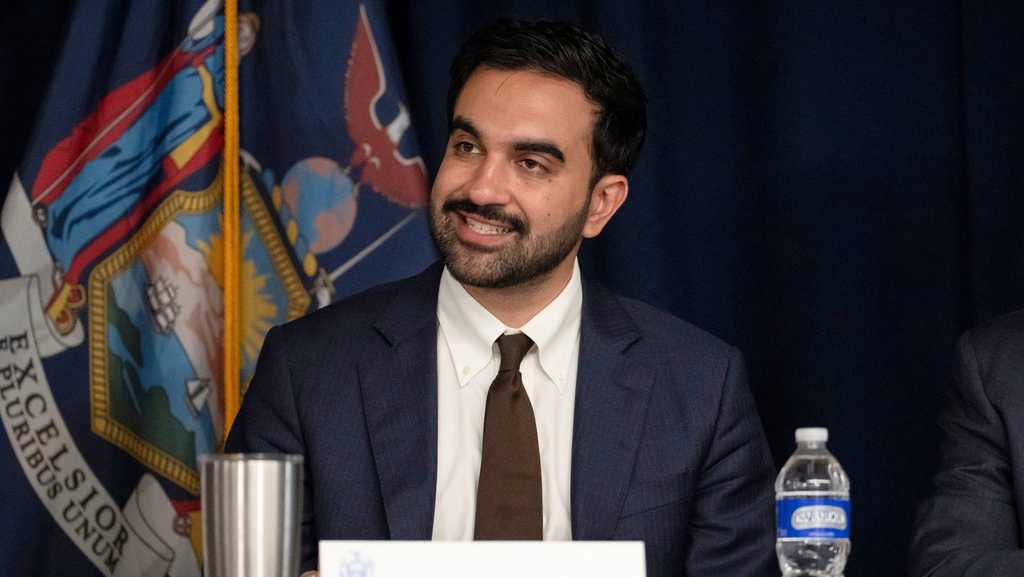
NYC Implements Sweeping AI Restrictions
New York City public schools will temporarily prohibit elementary and middle school students from using artificial intelligence tools during the upcoming school year, Mayor Zohran Mamdani announced Wednesday. The one-year moratorium applies to all software utilizing student-facing generative AI for students through eighth grade.
City officials characterized the policy as the most expansive AI prohibition in the country. The ban is part of a broader assessment examining how children in the nation's largest school system interact with AI technology. Companion chatbots will be prohibited across all grade levels.
High Schools Take Different Approach
While younger students face restrictions, the city is establishing mandatory AI literacy classes for all public high school students, meeting twice yearly. Select high school students will participate in pilot programs allowing supervised use of approved AI platforms under educator guidance.
The differentiated approach reflects the challenge schools nationwide face in balancing AI education with concerns about overreliance and academic integrity. "Each day when our children come to school, we teach them to ask questions, to challenge assumptions, to interrogate the premise, to ask why," Mamdani said at a news conference. "When it comes to AI in our schools, we hold an obligation to do the same."
Screen Time Limits and Teacher Exemptions
The city will recommend daily screen-time caps of 30 minutes for students in grades three through five and 45 minutes for students in grades six through eight. Teachers remain authorized to use AI for instructional planning and operational tasks.
City education officials plan to review all technology tools currently deployed in the school system and eliminate those deemed nonessential to learning.
Why It Matters
New York City's policy establishes a template other large districts may follow as schools struggle to develop coherent AI strategies. With at least 37 states having issued official AI guidance for schools, the lack of consensus on AI literacy definitions or teaching methods leaves individual districts navigating uncharted territory. The city's approach—restricting younger students while training older ones—represents a middle path between outright bans and unrestricted access, though critics question whether a one-year evaluation period provides sufficient time to assess long-term impacts.
Mixed Reception
Michael Mulgrew, president of the United Federation of Teachers in New York, praised the screen-time limits but said the AI policy "leaves many questions unanswered," including how the Education Department will ensure purchased products include AI safeguards.
Josh Golin, executive director of children's advocacy group Fairplay, argued for a longer moratorium and more preparation time before implementation. "A year to evaluate is not nearly enough time," Golin said, adding that AI platforms should be required to demonstrate their products are effective, safe, and don't displace face-to-face interaction or enable cheating.
New York City public school students return to classrooms next week, when the new policies take effect.
These details were first reported by AI Watch.
This is an original analysis by the Omega editorial team. Source reporting: AI Watch.
Want systems like this working for your business?
Book a Call
