NYC bans AI tools for 600,000 elementary students through 8th grade
Mayor Mamdani imposes one-year moratorium despite pressure from educators seeking longer pause and tech leaders warning of skills gap.
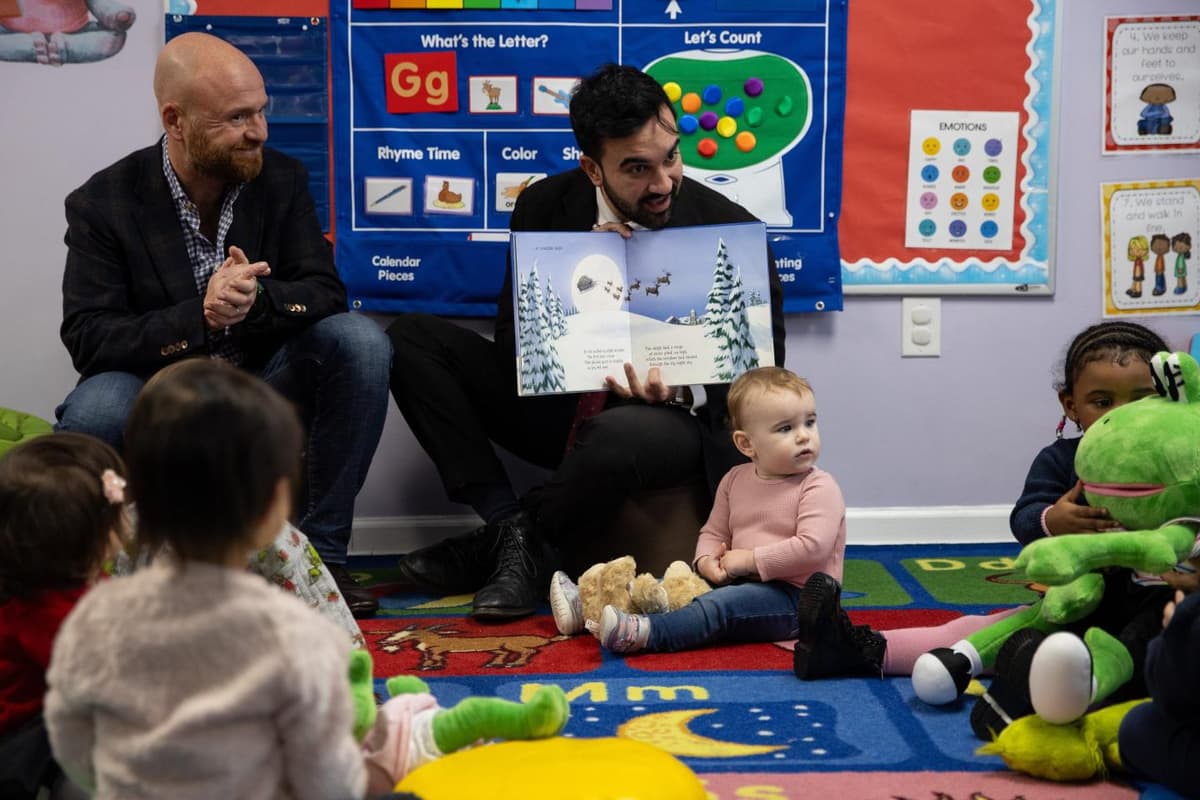
New York City has implemented what officials call the country's most expansive student-facing AI restriction, blocking generative AI tools for nearly 600,000 students from pre-kindergarten through eighth grade for one year. Mayor Zohran Mamdani and Schools Chancellor Kamar Samuels announced the moratorium Wednesday, banning AI companion chatbots across all grades while allowing limited AI exposure for high school students.
"The tech industry wants us to believe that AI in early education is not only inevitable, but that it is necessary. We do not see it that way," Mamdani said at a news conference. The 34-year-old mayor, who says he doesn't use AI himself, cited the absence of independent research showing benefits for younger students.
Why it matters
The policy places the nation's largest public school system at the center of a broader debate about whether early AI exposure prepares students for a technology-driven workforce or undermines fundamental learning skills. With New York now employing more tech workers than the Bay Area according to CBRE data, the city's approach could influence how other major districts balance AI literacy against developmental concerns during critical learning years.
Competing pressures shaped the outcome
The one-year timeframe represents a compromise between conflicting demands. In April, more than 250 education experts, doctors, and child development specialists called for a five-year moratorium. Two months later, a City Council majority requested a two-year pause, citing risks to student privacy and critical thinking. Parent and teacher groups rallied over the summer supporting the two-year proposal.
Leonie Haimson of the Parent Coalition for Student Privacy warned against repeating past delays: "It took more than 10 years to ban cell phones from schools. We can't afford that again." David Monahan of Fairplay, which led the April coalition, called the policy "a step in the right direction" that nonetheless "raises serious concerns" by falling short of the two-year request.
Tech industry pushes back
Hedge fund manager Bill Ackman, who backs Alpha School—a private network using AI tutoring software to compress academic instruction into two hours daily—has promoted AI-driven education as the first major K-12 innovation since KIPP Academy. More than 250 CEOs from Microsoft, Adobe, Dell, AMD, and IBM signed an open letter through CSforAll's Unlock8 campaign advocating mandatory computer science and AI education in every U.S. high school.
President Trump signed an executive order in April 2025 directing federal agencies to expand AI training grants and classroom resources for K-12 students, framing early AI literacy as essential for economic competitiveness.
High school exception remains
The moratorium exempts high school students, whom Mamdani said must be prepared for "an AI-saturated world." The mayor emphasized that AI would not replace student-teacher interaction, which he called "the foundation of our students' educational experience."
Chancellor Samuels acknowledged the city's previous March policy "missed the mark." That earlier "traffic light" framework sorted AI uses into barred, cautioned, and allowed categories but left student use in an ambiguous middle tier.
These details were first reported by Fortune.
This is an original analysis by the Omega editorial team. Source reporting: AI Watch.
Want systems like this working for your business?
Book a Call
