NYC Bans AI in Public Schools Through Eighth Grade
The nation's largest school district prohibits student AI use amid concerns over cognitive development and what researchers call 'cognitive surrender.'
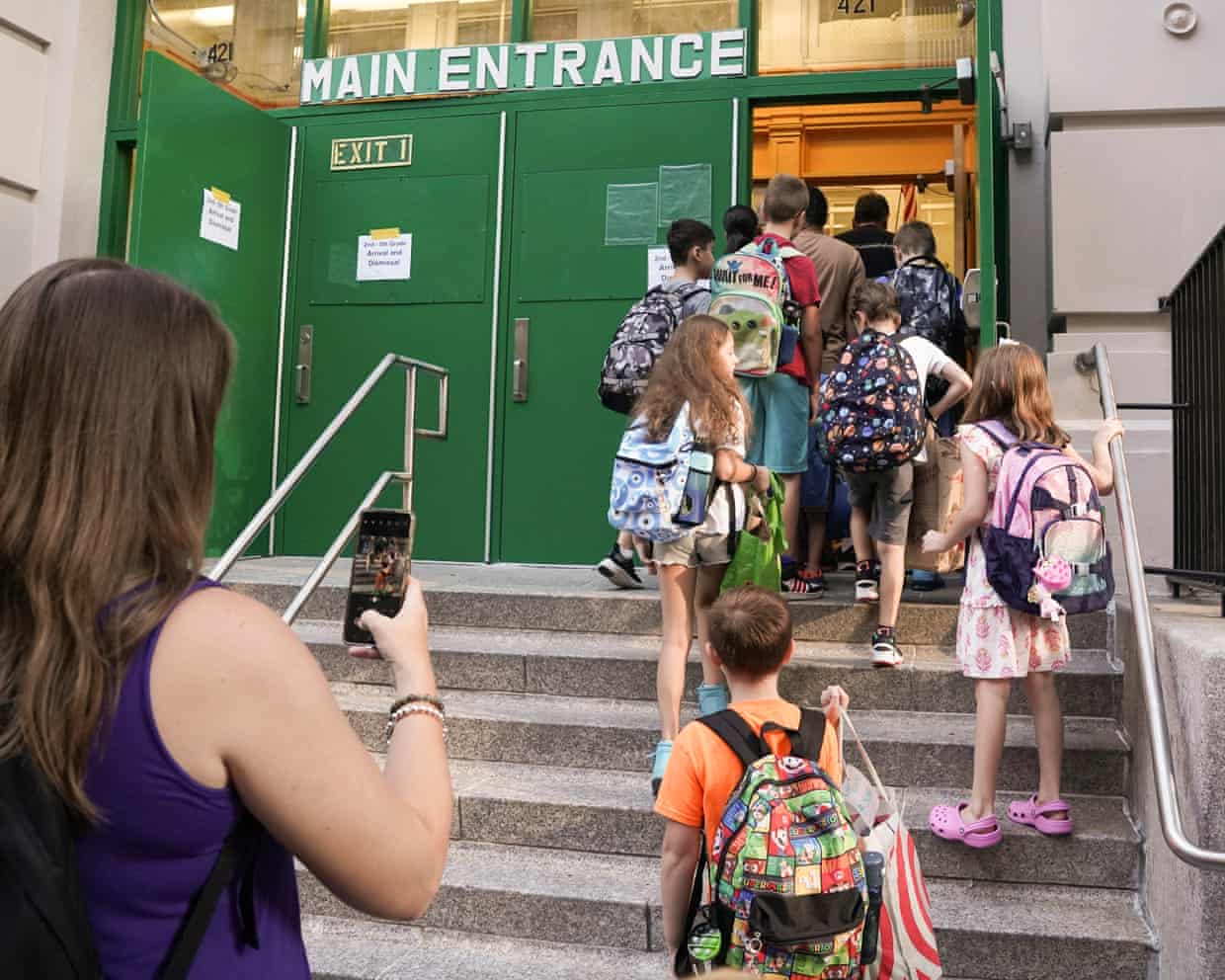
NYC Implements Sweeping AI Restrictions
New York City will prohibit students from using artificial intelligence in public schools through eighth grade, a policy affecting approximately 900,000 students in the nation's largest school district. The ban, set to take effect next week following Wednesday's announcement, represents a significant reversal from the city's more permissive stance earlier this year.
The restriction is part of a broader technology overhaul that also limits device use. Students through third grade will no longer use laptops or tablets in classrooms, while middle schoolers face recommended screen time limits of 45 minutes per class and elementary students 30 minutes.
Why it matters
New York City's technology policies carry outsized influence across American education. As the largest public school system in the United States, the district's decisions often set precedents that other school systems follow. The ban signals a sharp pivot from the AI experimentation many districts have pursued, potentially reshaping how schools nationwide approach generative AI tools.
Concerns Over 'Cognitive Surrender'
Teachers and parents have raised alarms about AI instructional software harming children's mental health and cognitive development. Central to these concerns is a phenomenon researchers have termed "cognitive surrender" — the abdication of reasoning and critical thinking to software systems. Environmental impacts of AI systems have also factored into opposition.
The new policy bans AI "companion chatbots" that offer psychological support to students. High school students, beginning in ninth grade, will have limited access to AI only for specific purposes such as learning about the technology itself.
Teachers Get Different Rules
While students face strict prohibitions, teachers may use AI for administrative tasks including lesson preparation and writing messages to parents. However, educators are explicitly forbidden from using AI to grade student assignments.
Policy Evolution and Pushback
The city's approach to AI has shifted dramatically over three years. In 2023, schools banned ChatGPT, only to reverse that decision within a year. A framework published in March 2026 used a traffic light system and allowed students to use AI for research, exploration, and creative projects.
That permissive approach generated intense criticism from parents and teachers who considered it too lenient. Schools Chancellor Kamar Samuels acknowledged officials had "missed the mark" in their communications and committed to incorporating parent feedback.
Implementation Challenges
A significant question remains: how will schools monitor AI use that occurs outside school environments? The education department plans to establish a taskforce comprising teachers, elected officials, experts, and union representatives. This group will produce a report in April intended to form the foundation of New York's long-term AI policy in schools.
These details were first reported by The Guardian.
This is an original analysis by the Omega editorial team. Source reporting: AI Watch.
Want systems like this working for your business?
Book a Call
