Nvidia to Raise AI Server Prices Over 15% on Memory Costs
The chip giant will pass rising DRAM expenses to major cloud providers starting early next year, Bloomberg reports.
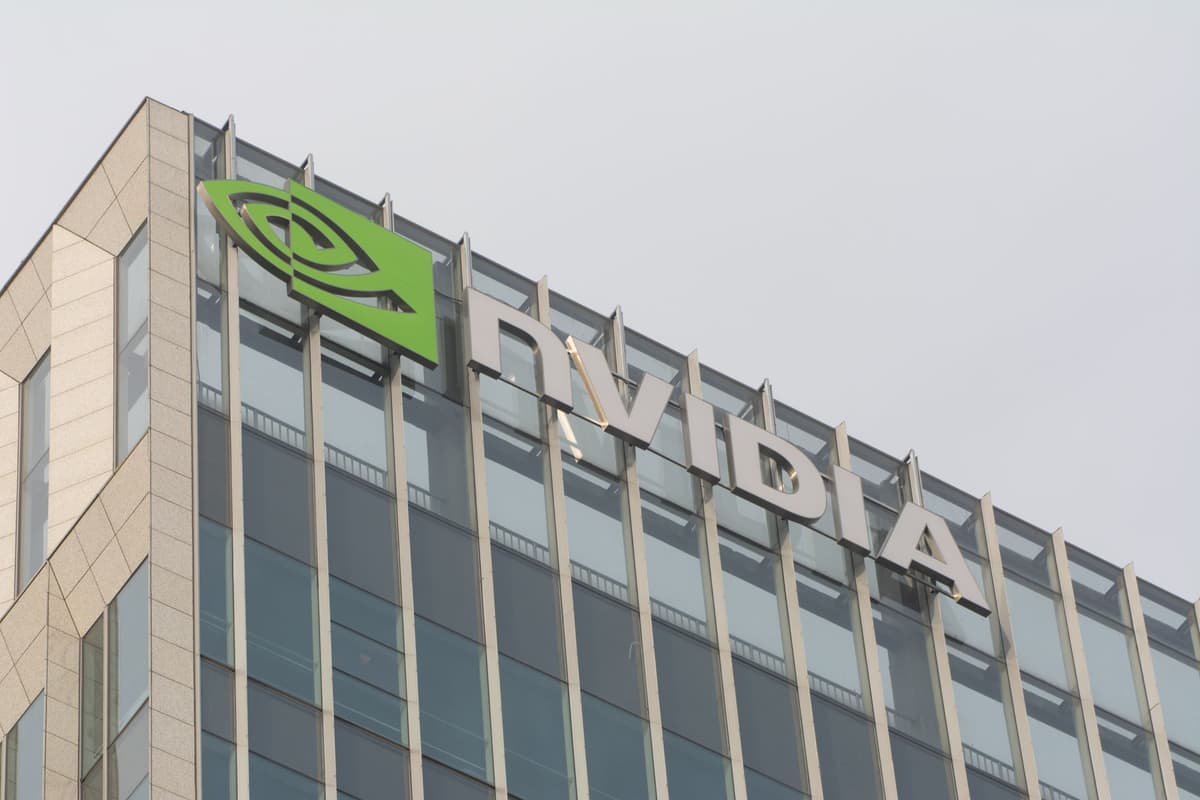
Nvidia will increase prices on servers equipped with its artificial intelligence chips by more than 15% for shipments beginning early next year, according to Bloomberg. The hikes will affect systems built around the company's Vera Rubin and Grace Blackwell chip architectures, with exact percentages varying by chip generation and memory configuration.
Contract manufacturers that build servers for major cloud operators—including Microsoft, Google, and Oracle—have recently notified their customers of the coming adjustments, Bloomberg reported, citing people familiar with the discussions. Nvidia did not respond to requests for comment.
Why it matters
The price increase reveals a critical pressure point in AI infrastructure: memory chip suppliers now hold enough leverage to force even the industry's dominant player to pass costs downstream. With Nvidia already commanding gross margins of 75% and individual chips priced in the tens of thousands of dollars, the decision to raise prices rather than absorb costs underscores how tight memory supply has become relative to AI demand. For enterprises building AI capabilities, this signals that infrastructure costs will continue climbing even as they explore alternatives to Nvidia hardware.
Memory shortage drives decision
The core driver behind the price adjustments is the escalating cost of memory chips, which form an essential component of Nvidia's GPU-based server systems. Three manufacturers dominate global DRAM production, and despite each expanding manufacturing capacity, the rapid expansion of AI infrastructure spending has exceeded their ability to meet market demand. This supply-demand imbalance has pushed memory chip prices upward.
Nvidia's willingness to pass these costs to customers—rather than absorbing them into its already substantial margins—demonstrates the commanding position memory suppliers have established as AI spending accelerates across the industry.
Customers seek alternatives
The timing is notable as Nvidia's largest customers are actively developing custom AI chips to reduce their reliance on Nvidia hardware. Google is now shipping its seventh-generation Ironwood chip, while Amazon's Trainium3 became available in late 2025. Microsoft's Maia 200 inference chip started reaching U.S. data centers earlier this year.
Despite these internal chip programs, all three companies remain heavily dependent on Nvidia purchases for the majority of their data center capacity. Whether the price increases accelerate migration toward rival chips may depend on whether customers can secure adequate memory supply from the same three manufacturers whose pricing is pressuring Nvidia.
Nvidia is scheduled to report fiscal second-quarter earnings next week. The company's chips continue to face persistent supply constraints from contract manufacturer Taiwan Semiconductor Manufacturing Co. relative to buyer demand.
These details were first reported by Bloomberg.
This is an original analysis by the Omega editorial team. Source reporting: AI Watch.
Want systems like this working for your business?
Book a Call