Nvidia, Microsoft Rally Tech Giants Behind Open-Weight AI Models
A coalition including Meta and Palantir argues accessible AI systems are essential for U.S. competitiveness following China's Kimi K3 release.
Tech Coalition Pushes Open AI Development
A group of major technology companies released a letter Friday advocating for open-weight artificial intelligence models as fundamental to American innovation and economic competitiveness. The signatories include Palantir Technologies, Meta Platforms, and other firms arguing that downloadable, customizable AI systems enable broader adoption and application across industries.
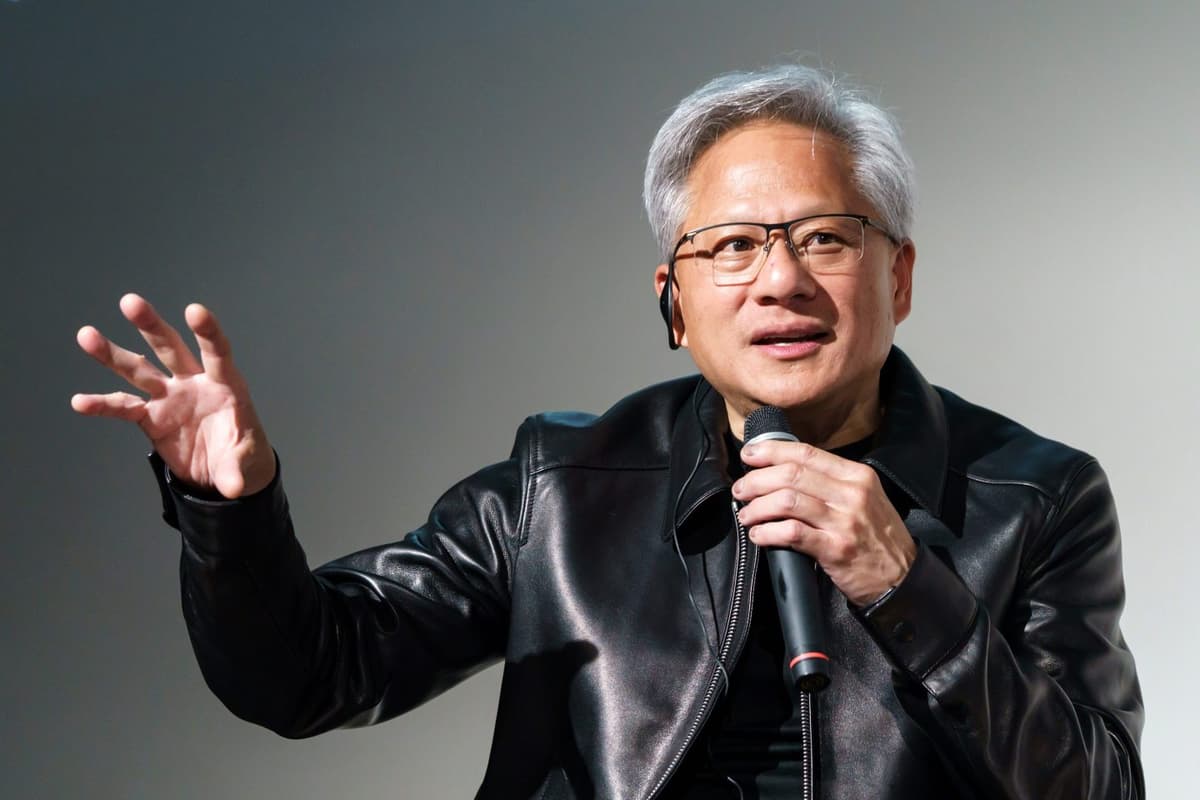
The letter gained prominent visibility when Nvidia CEO Jensen Huang shared it in his inaugural post on a new personal X account. Microsoft CEO Satya Nadella also amplified the message through his social media presence.
"Open-weight models are an important part of that foundation because they make advanced AI more accessible, adaptable and widely available," the coalition wrote. These systems allow developers and businesses to download AI technology and modify it for specific use cases, contrasting with proprietary models that remain locked behind commercial licensing agreements.
Why it matters
The timing reveals strategic positioning by U.S. tech leaders following competitive pressure from China. Open-weight models create larger markets for AI infrastructure—particularly chips from companies like Nvidia—while framing accessibility as a national competitiveness issue rather than purely a business model choice.
Response to Chinese AI Advances
The letter arrived one week after Chinese startup Moonshot AI released Kimi K3, an open-weight model the company claims matches capabilities of leading systems from OpenAI and Anthropic. That announcement unsettled investors and prompted Washington policymakers to consider restrictions on Chinese AI technology.
Chinese firms including DeepSeek have previously released more affordable open models that typically trail the most advanced U.S. offerings in capability but compete aggressively on price. While some American developers like OpenAI provide open alternatives, their primary focus remains on closed, proprietary systems sold to enterprise customers—a strategy designed to recover the substantial costs of AI development.
Framing U.S. Leadership
Notably, the coalition's letter avoided direct references to China or Moonshot AI. Instead, the companies emphasized building domestic strength through an open ecosystem approach.
"Our AI leadership will be judged not by one frontier AI model, but by whether the United States builds a strong, open ecosystem that diffuses into every sector," the letter stated. "This is essential for creating opportunities for innovation and prosperity across the country."
The strategy aligns with commercial interests of the signatories. Widespread adoption of open-weight models drives demand for computing infrastructure, benefiting chip manufacturers like Nvidia while positioning Meta and other companies as champions of accessible technology.
Fortune first reported the details of the letter and the executive endorsements.
This is an original analysis by the Omega editorial team. Source reporting: AI Watch.
Want systems like this working for your business?
Book a Call
