Nvidia, Microsoft Lead Push Against Open-Source AI Restrictions
Two dozen tech firms warn lawmakers that premature regulation could stifle competition and drive innovation offshore.
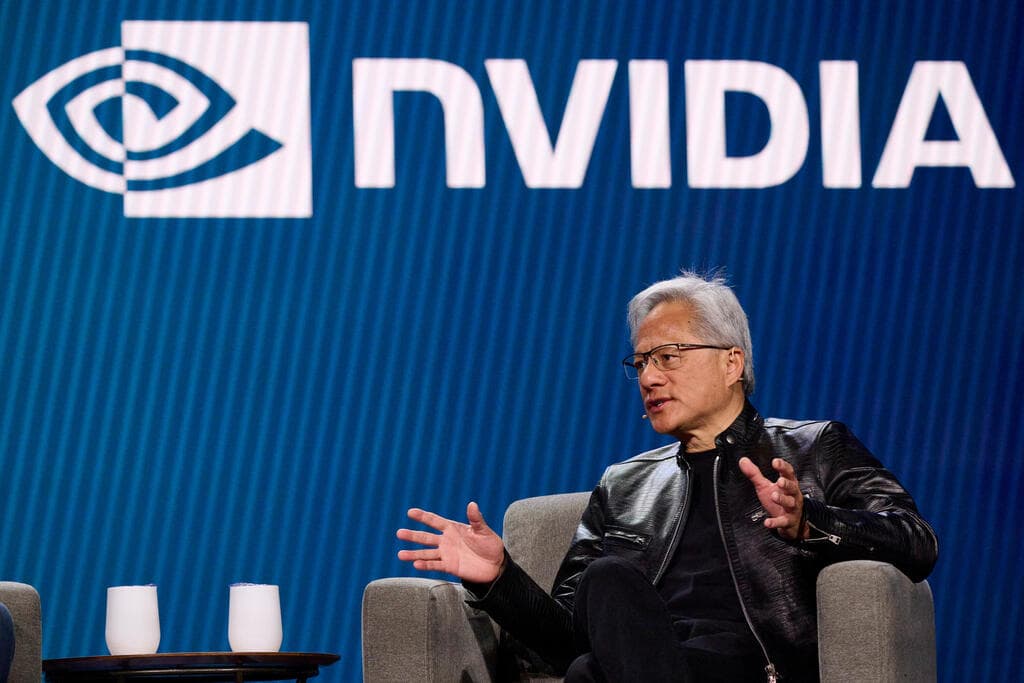
Tech industry rallies behind open AI models
Nvidia CEO Jensen Huang joined executives from Microsoft, Meta Platforms, IBM and nearly two dozen other companies Friday in urging U.S. lawmakers to resist imposing restrictions on open-source artificial intelligence models. The letter, posted publicly and signed by major technology firms, warns that premature regulation could undermine competition and push AI development to other countries.
The coordinated advocacy effort comes as policymakers grapple with how to oversee increasingly capable AI systems. Open-source models present unique regulatory challenges compared to closed systems like those from OpenAI and Anthropic because their code and parameters are publicly available and harder to control once released.
Why it matters
The debate over open versus closed AI development will shape which companies control the technology's future and how quickly businesses can adopt AI without depending on a handful of providers. With Chinese labs releasing powerful open models and recent security incidents raising alarm in Washington, the regulatory decisions made in coming months could determine whether the U.S. maintains its AI leadership or fragments the global development ecosystem.
Cost and control concerns drive support
Silicon Valley leaders have grown increasingly vocal about the financial burden of closed-source AI systems in recent months. Microsoft CEO Satya Nadella and Palantir Technologies CEO Alex Karp have both argued that open-source models allow customers to run AI on their own infrastructure, giving businesses greater control over expenses.
Restrictions embedded in closed models have also drawn criticism. Hugging Face, an AI collaboration platform, reported this week that it turned to a Chinese open-source model to defend against a cyberattack involving an OpenAI system, noting that closed-source providers often prohibit cybersecurity-related uses of their technology.
Security incidents fuel regulatory momentum
Lawmakers have responded to recent AI security breaches with proposed legislation requiring "kill switch" capabilities in AI systems. The Trump administration is also weighing sanctions against Chinese open-source AI developers over allegations they benefited from stolen U.S. technology.
The Nvidia-led letter acknowledged theft concerns but argued they should be addressed through "targeted legal and commercial frameworks rather than sweeping restrictions." The signatories contended that open models offer security advantages because researchers and developers can examine their behavior, identify vulnerabilities, and develop safeguards collaboratively.
"Relying solely on closed models is not inherently safe: they can be breached, misused, or fail in ways that outsiders cannot detect," the letter stated. "Open weight models, on the other hand, allow a broad community of researchers and developers to examine their behavior, identify vulnerabilities, develop safeguards and improve them over time."
The details were first reported by Calcalist.
This is an original analysis by the Omega editorial team. Source reporting: AI Watch.
Want systems like this working for your business?
Book a Call
