North Carolina County Freezes AI Data Center Projects
Rural Edgecombe County considers two-year moratorium as residents challenge power demands and environmental costs of proposed facilities.
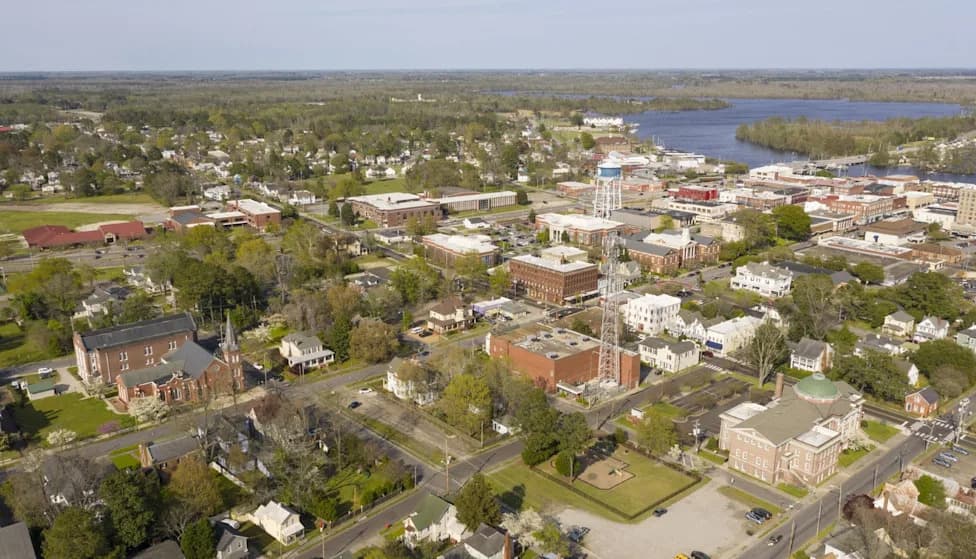
Local resistance halts AI infrastructure expansion
A proposed artificial intelligence data center in rural North Carolina has triggered a standoff between county officials seeking economic development and residents concerned about resource consumption. Edgecombe County commissioners are now weighing a 24-month freeze on new data center projects rather than the permanent ban some community members have demanded.
The dispute centers on a planned facility in Kingsboro that would occupy 122 acres of county-owned land and consume 900 megawatts of power — enough electricity to serve more than 700,000 homes. Residents have spent months raising objections about water consumption, pollution risks, and added pressure on the local electric grid, according to North Carolina Health News, which first reported the details.
The conflict illustrates a recurring tension in lower-income communities: officials point to potential jobs and tax revenue, while residents question whether those benefits justify environmental costs and infrastructure strain.
State legislation targets grid costs and cooling systems
Two bills moving through the North Carolina legislature would reshape how large data centers operate in the state. Senate Bill 730 would require the largest facilities to pay for grid upgrades, including new transmission lines and generation capacity, through long-term contracts and minimum billing commitments. The legislation would also mandate water-saving cooling technologies and prohibit open-loop systems that consume large volumes of water.
However, SB 730 includes a provision that would delay some coal plant retirements until new nuclear generation comes online — a timeline that could extend decades. Kevin Wilson, co-chair of Edgecombe County Neighbors for Data Center Accountability, noted that nuclear plants typically take at least 20 years to build, meaning coal facilities could run significantly longer to meet data center demand.
Separately, House Bill 1213 would eliminate a major property tax exemption for utility-scale solar projects built after July 1, 2027, potentially affecting the renewable energy landscape that some see as an alternative to fossil-fuel-dependent data centers.
Why it matters
Rural counties offer AI developers cheaper land and access to transmission infrastructure, but those same assets make data centers contentious. The computing facilities that power AI systems require enormous amounts of electricity and water for cooling, creating direct competition with residential and agricultural users. When utilities build new infrastructure to serve private data centers, costs can shift to ratepayers through higher bills or extended reliance on polluting generation sources. The Edgecombe County debate reflects a broader challenge: communities must weigh immediate economic benefits against long-term resource constraints and environmental impacts as AI infrastructure expands across the United States.
What happens next
Edgecombe County plans to hold a public hearing on the proposed moratorium at an August commission meeting. Leonard Wiggins, chairman of the county commission, acknowledged the pressure officials face: "Our public is beginning to question what we do — it's another day." Wilson framed the dilemma facing small communities: "The world is on their shoulders in these little towns, and they're damned if they do, they're damned if they don't."
Both state bills continue to advance through the legislature as lawmakers attempt to create regulatory frameworks for data center development that balance economic opportunity with infrastructure capacity and environmental protection.
These details were first reported by North Carolina Health News.
This is an original analysis by the Omega editorial team. Source reporting: AI Watch.
Want systems like this working for your business?
Book a Call
