NHTSA Warns Robotaxi Firms Over Emergency Vehicle Interference
The federal road safety agency documented a pattern of autonomous vehicles blocking ambulances, driving into active scenes, and ignoring first responders.
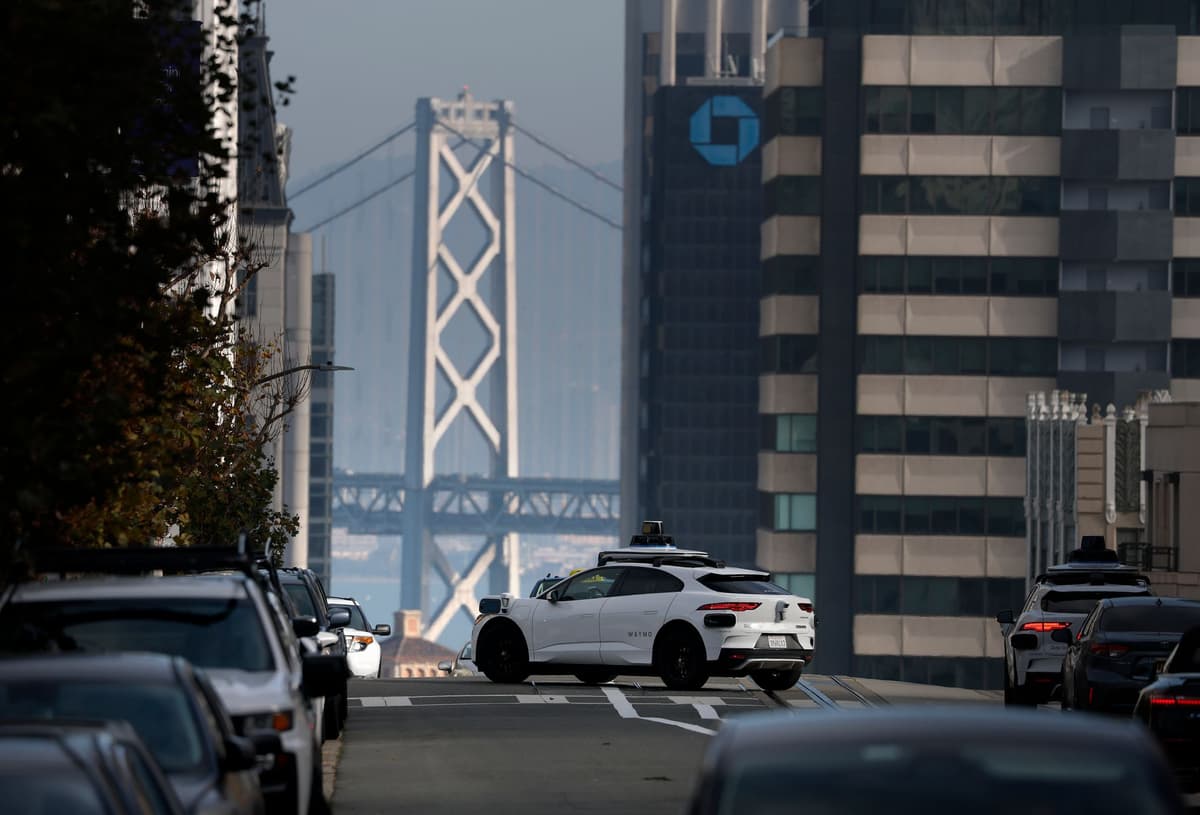
The National Highway Traffic Safety Administration has issued a sharp warning to autonomous vehicle developers, calling their vehicles' interference with emergency responders an "unacceptable" safety risk that requires immediate fixes.
In a letter sent Wednesday, NHTSA Administrator Jonathan Morrison told AV companies that the agency has documented a "clear pattern" of robotaxis disrupting emergency operations. The incidents include vehicles driving into active emergency scenes, blocking ambulances and fire trucks, and failing to respond appropriately to flashing lights, fire, and traffic cones.
"To state it bluntly: An AV that cannot safely interact with first responders is a danger to the general public," Morrison wrote in what he described as a "call to action" for the industry.
Emergency responders report mounting problems
The federal warning follows months of complaints from city officials and first responders. In a closed-door meeting earlier this year, law enforcement and emergency department officials told NHTSA representatives that Waymo robotaxis were impeding emergency responses, according to details first reported by WIRED.
A San Francisco fire chief told the agency that Waymo's technology was "backsliding" and that the company's vehicles "frequently now blocking our fire stations from access." An Austin police representative said the robotaxis tend to freeze in challenging situations and often fail to respond to officers' hand signals during emergencies.
One particularly serious incident occurred in Austin this spring, where a Waymo robotaxi blocked an ambulance for two minutes as it attempted to reach a downtown mass shooting that killed three people and injured at least 14 others. Austin first responders discussed the incident at a City Council meeting.
"I believe the technology was deployed too quickly in too vast amounts, with hundreds of vehicles, when it wasn't really ready," an Austin police official said during the NHTSA meeting.
Why it matters
The federal intervention highlights a critical gap between autonomous vehicle capabilities in controlled conditions and their performance in unpredictable emergency situations. As cities expand robotaxi deployments—and as the Trump administration simultaneously eases safety regulations for purpose-built AVs without traditional controls—the inability of these systems to recognize and defer to emergency vehicles represents a fundamental safety failure that could cost lives. The tension between rapid commercial deployment and public safety readiness is coming to a head.
Enforcement and next steps
Morrison directed developers to "immediately focus their resources on fixing this issue." NHTSA will schedule meetings with each company by the end of July to review proposed solutions.
The agency has issued several recalls related to autonomous vehicle technology in recent years, including two involving Waymo's behavior on flooded roads and near construction zones, and another related to Zoox robotaxis stopping in front of oncoming traffic. Companies addressed those issues through software updates.
Morrison warned that NHTSA would "continue to exercise our enforcement authority for developers that do not address significant safety concerns."
Neither Waymo nor Zoox responded to requests for comment on the letter.
WIRED first reported the details of the emergency responder complaints and obtained audio from the closed-door NHTSA meeting.
This is an original analysis by the Omega editorial team. Source reporting: WIRED.
Want systems like this working for your business?
Book a Call
