NHS to Deploy AI Triage Tool on Patient App Across England
£10bn digital overhaul includes AI-powered appointment routing and consultation recording, but health leaders urge caution on privacy and productivity claims.
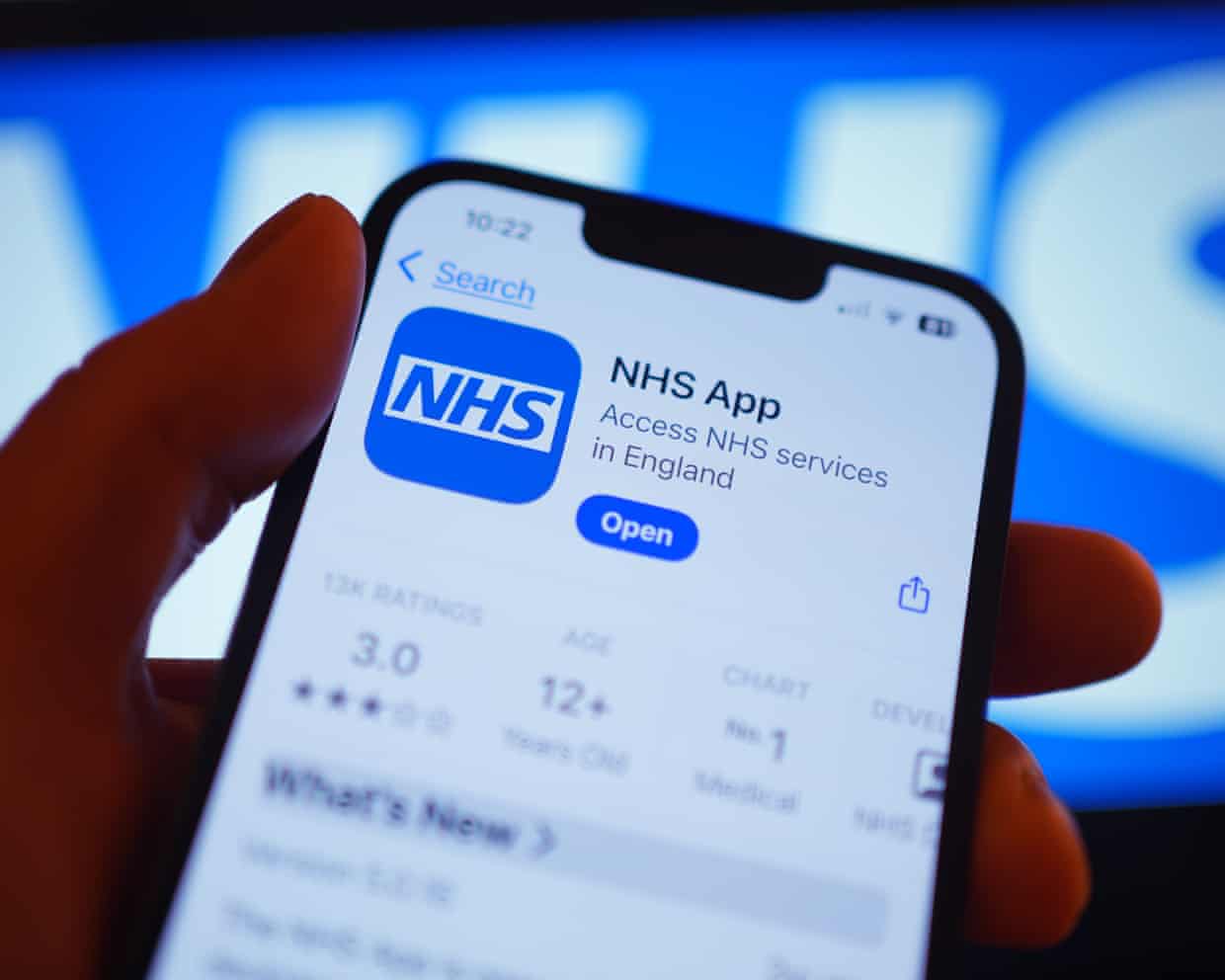
NHS launches AI-powered patient triage system
England's National Health Service will begin deploying artificial intelligence tools within its patient-facing app to help direct people to appropriate care settings, according to an announcement from the UK government. The AI triage system will assess patient needs and determine whether they require a GP appointment, should visit a pharmacy, or need emergency department care based on symptom severity.
The Guardian first reported that the update will reach approximately 200,000 patients over the next year, with full availability planned for all NHS app users by April 2028. The initiative forms part of a £10 billion government funding package aimed at modernizing the health service's technology infrastructure.
Health Secretary James Murray stated he was "certain" the technological advances would "get patients to the right care faster, free our brilliant clinicians from mountains of paperwork, and help drive down waiting times."
Early trial results and expanded AI applications
A pilot program at Wealden Ridge Medical Partnership, which operates surgeries across Sussex, demonstrated a 29% reduction in patients queuing on phone lines for GP appointments. The government cited this as evidence the system could address the "8am scramble" for same-day appointments—a central promise in Labour's 2024 election manifesto.
The broader digital transformation package also includes AI tools for recording patient consultations to reduce clinician documentation time. A trial led by Great Ormond Street hospital across nine London sites found staff spent 25% more time directly interacting with patients when using the ambient voice technology, according to officials.
Health leaders raise concerns about implementation
Despite the announced benefits, healthcare organizations expressed reservations about the rollout. Leaders emphasized the need for a comprehensive long-term AI strategy and questioned the evidence supporting claimed productivity improvements.
Lynn Woolsey, chief nursing officer at the Royal College of Nursing, warned against "overstated, overly optimistic assessments of the productivity benefits from AI." She stressed that patients must receive assurances about accuracy and confidentiality protections for systems handling their medical information.
Tim Horton, deputy director of policy at the Health Foundation, called the investment a "positive recognition" but noted that "the missing piece in the transformation puzzle is a broader long-term strategy for guiding the use of AI across the health system." Without coordinated planning, he warned, the NHS risks fragmented AI adoption that fails to achieve benefits at scale.
Why it matters
This deployment represents one of the largest national implementations of AI-powered healthcare triage, potentially reshaping how millions access medical services. The success or failure of this initiative will provide critical data on whether AI can effectively manage patient flow in public health systems—and whether the promised efficiency gains materialize without compromising care quality or excluding less tech-savvy populations. The concerns raised by nursing and health policy leaders highlight tensions between rapid digital transformation and the need for evidence-based, equitable implementation.
Implementation challenges ahead
Ciarán Devane, chief executive of the NHS Alliance, emphasized that the critical question is how the £10 billion investment translates into practical support for local NHS leaders. He advocated for maximizing local discretion in technology choices while cautioning that capital budgets have historically been vulnerable to cuts when savings pressures mount.
Pritesh Mistry, a fellow at The King's Fund, noted that the real test will be whether investments make care "feel more joined up, more convenient and more empowering" for patients. He stressed the importance of preventing digital exclusion as clinical services become increasingly technology-dependent.
Details of the NHS AI triage rollout were first reported by The Guardian.
This is an original analysis by the Omega editorial team. Source reporting: AI Watch.
Want systems like this working for your business?
Book a Call