NHS England to Deploy AI Triage Tool Across Health App by 2028
New system will direct 200,000 patients to appropriate care in first year, part of £10bn technology overhaul.
NHS England to Deploy AI Triage Tool Across Health App by 2028
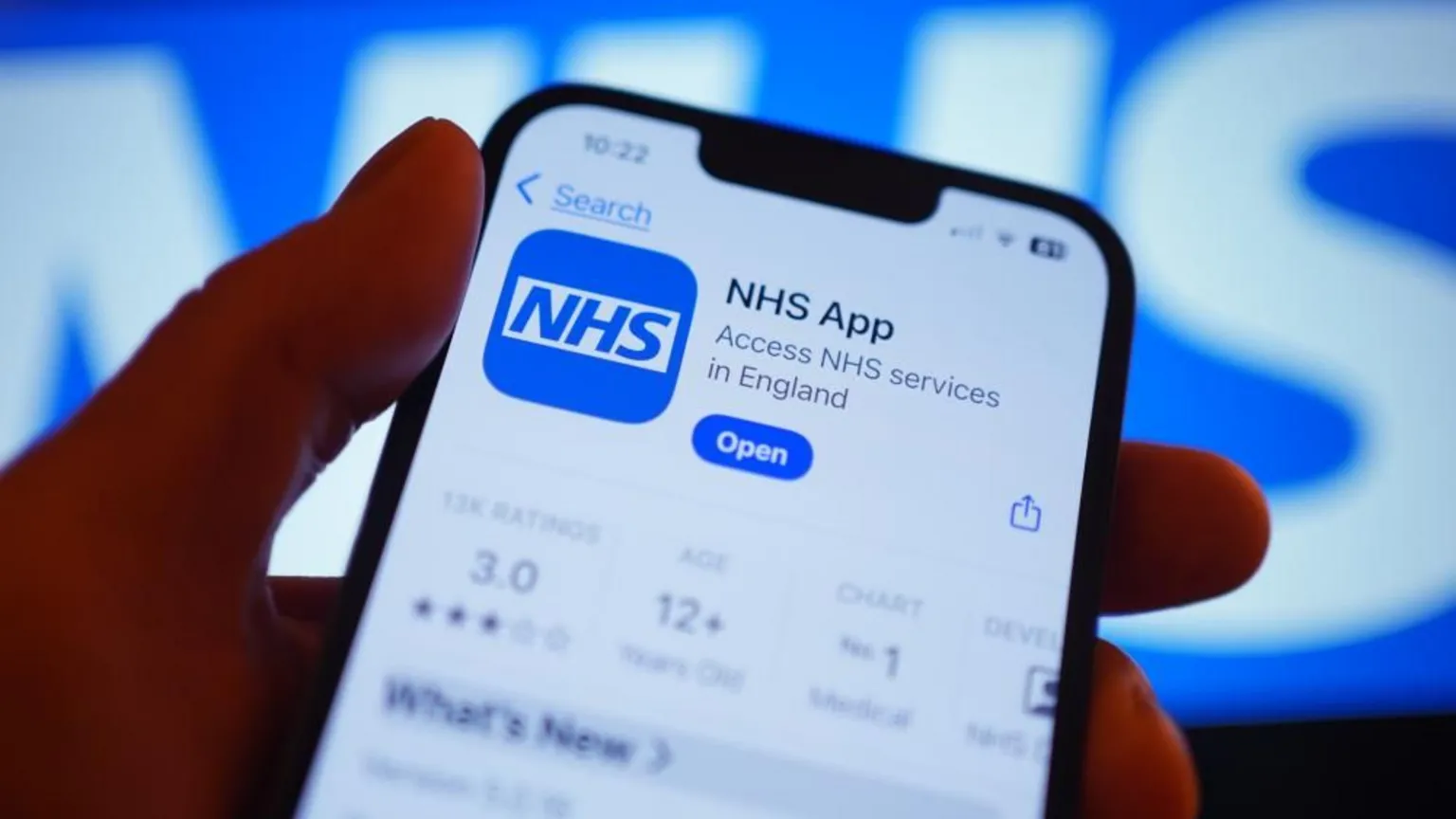
NHS England will integrate artificial intelligence into its mobile app to help patients in England navigate the health system more efficiently, according to details first reported by the BBC. The AI-powered triage tool will ask users a series of questions and direct them to the most appropriate service—whether a GP appointment, pharmacy visit, accident and emergency department, community service, or self-care guidance.
The rollout begins immediately, with NHS England projecting the tool will reach more than 200,000 patients within the next 12 months. Full availability across the NHS app is scheduled for April 2028 as part of what the health service describes as a major technology modernization effort.
Early Trial Shows Promising Results
An initial pilot at Wealden Ridge Medical Partnership in Sussex demonstrated measurable impact. The practice reported a 29% reduction in patients waiting on hold for appointments after implementing the AI triage system. Dr. Ragu Rajan, who works at the practice, said the tool allows patients to communicate their needs on their own schedule while ensuring they reach the right care pathway initially.
Importantly, Dr. Rajan emphasized the technology augments rather than replaces clinical judgment, freeing up time for healthcare professionals to focus on patient care rather than administrative routing.
Part of £10bn Digital Investment
The triage tool represents one component of a £10 billion investment allocated by the government in 2025 to upgrade NHS technology, digital infrastructure, and data systems. Sir Jim Mackey, chief executive of NHS England, said the system aims to connect patients with the best service for their needs on the first attempt, ensuring those requiring GP appointments can access them more quickly.
Alongside the triage tool, NHS England will expand AI-powered notetaking technology that records and transcribes conversations between patients and staff, generating real-time clinical summaries. The notetaking rollout will begin at four NHS trusts in and around London—St George's, Epsom and St Helier, Croydon, and Kingston and Richmond—focusing initially on outpatient appointments. Alder Hey Children's NHS Foundation Trust in Liverpool and Manchester University NHS Foundation Trust are also scaling their AI notetaking programs.
A trial led by Great Ormond Street Hospital across nine London sites found that NHS staff spent nearly 25% more time directly interacting with patients when using the notetaking technology.
Why It Matters
This deployment represents one of the largest implementations of AI-driven patient routing in a national health system. If successful, the approach could significantly reduce administrative bottlenecks that currently delay access to care while providing a model for other healthcare systems grappling with capacity constraints. The technology's ability to free up clinical time for direct patient interaction addresses a critical pain point in overstretched health services.
Cautious Support from Health Bodies
Health organizations have generally welcomed the announcement while emphasizing the need for safeguards. Prof Lynn Woolsey, chief nursing officer at the Royal College of Nursing, called the rollout "an important step" that could ease administrative burdens on nursing staff. However, she stressed that patient safety and confidentiality must remain central, with health professionals making decisions at critical junctures.
Pritesh Mistry, a fellow at the King's Fund think-tank, noted the potential to accelerate improvements in NHS technology delivery but highlighted the importance of preventing digital exclusion as clinical services become increasingly technology-dependent.
Conservative shadow health secretary Stuart Andrew said innovations improving patient care should be welcomed but must include fully-funded implementation plans that deliver taxpayer value.
These details were first reported by the BBC.
This is an original analysis by the Omega editorial team. Source reporting: AI Watch.
Want systems like this working for your business?
Book a Call