New Jersey Electric Bills Surge 22% as AI Data Centers Strain Grid
Households face the nation's steepest electricity cost increase while lawmakers target large-scale AI facilities with new infrastructure requirements.
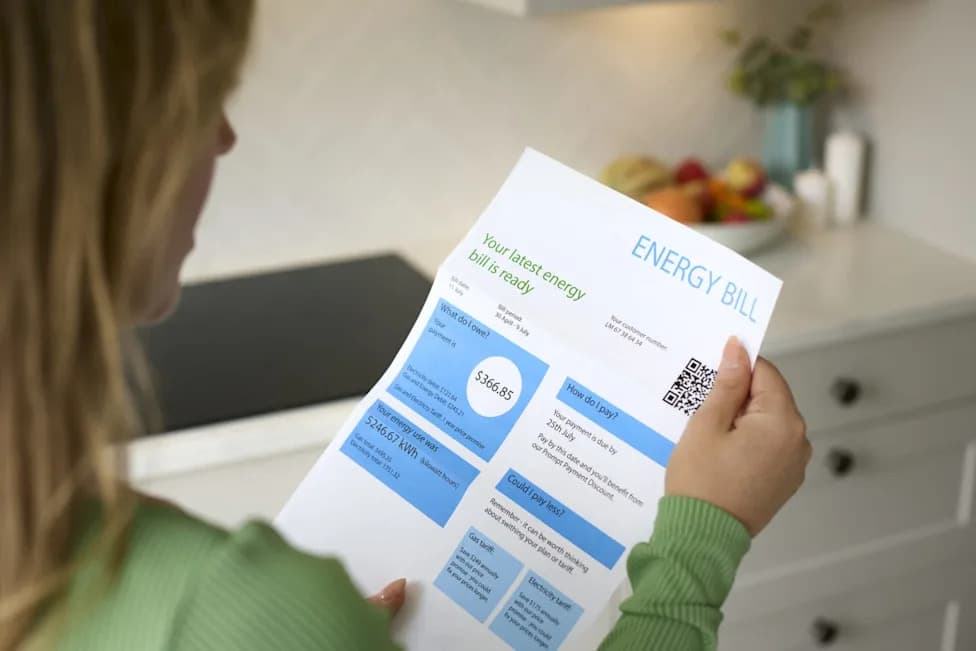
New Jersey households are confronting electricity bills that climbed approximately 22% over the prior year — adding nearly $400 to average annual costs and marking the steepest increase of any U.S. state, according to data from MIT and Heatmap reported by Gothamist.
The surge has forced difficult decisions for residents on fixed incomes. Catherine Hunt, an 82-year-old retiree in Monroe Township, told Gothamist her monthly bill ballooned from around $50 to $400 during winter months, compelling her to turn off heat and layer clothing indoors instead.
Gov. Mikie Sherrill issued an executive order early in her administration directing the state utility regulator to reject proposed rate hikes. Yet as New Jersey ratepayer counsel Brian Lipman noted to the outlet, preventing further increases differs fundamentally from making electricity affordable.
The AI infrastructure factor
Energy researchers point to rapidly expanding data center operations as a primary driver of grid stress. "The fundamental challenge is that we are experiencing tremendous growth and demand for electricity," Abe Silverman, an energy research scholar at Johns Hopkins University, explained to Gothamist. "There are just more people who want to use more electricity — and most of them are AI data centers."
PJM spokesperson Jeff Shields confirmed that "substantial demand growth" linked to data centers and "the artificial intelligence race" is contributing to upward price pressure, even though current grid resources can meet demand.
Why it matters
Elevated electricity costs represent more than a budget squeeze — they create genuine health risks when dangerous summer temperatures make air conditioning essential. Residents who hesitate to cool their homes because of bill anxiety face escalating consequences, particularly vulnerable populations on tight budgets.
The infrastructure supporting AI operations requires enormous electricity volumes and water for cooling. When that growth outpaces grid modernization and regulatory oversight, residential customers absorb the financial impact while broader concerns about system security and unintended consequences mount.
Legislative response
Lawmakers passed legislation last week requiring data centers drawing 100 megawatts or more to fund necessary grid upgrades. The bill also mandates that large power users during peak-demand periods guarantee payment on at least 85% of their requested electricity for a decade, creating a buffer that protects everyday customers if those facilities reduce usage.
New Jersey is simultaneously accelerating renewable and nuclear energy development while expanding rooftop solar installations, battery storage, and related programs designed to alleviate pressure during peak consumption windows.
The Sherrill administration has directed the state utility authority to examine virtual power plants — systems that network batteries across homes and buildings to deploy stored energy when the grid faces maximum stress. Silverman suggested such tools may deliver faster relief than waiting for major new infrastructure construction.
"We absolutely need to be thinking about how do we expand the pie," Silverman said.
These details were first reported by Gothamist.
This is an original analysis by the Omega editorial team. Source reporting: AI Watch.
Want systems like this working for your business?
Book a Call
