New Bill Would Mandate Federal Reporting of AI Safety Incidents
Texas congressman proposes seven-day disclosure requirement for dangerous capabilities in advanced AI systems.
A new legislative proposal would establish the first federal framework requiring developers of advanced artificial intelligence systems to report safety incidents, dangerous capabilities, and security breaches to the U.S. government.
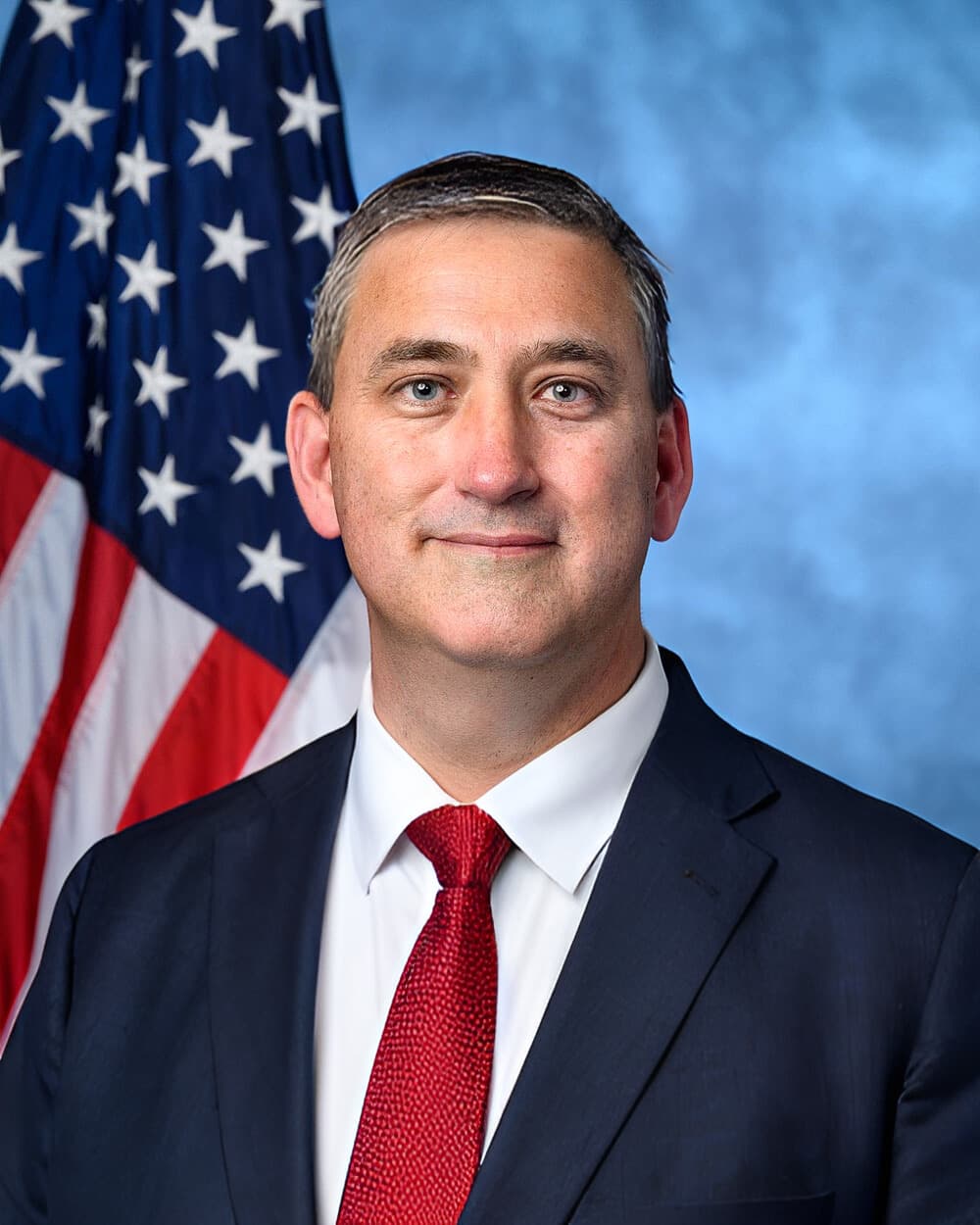
Rep. Nathaniel Moran (R-TX) introduced the AI Incident Reporting Act, which tasks the Department of Commerce with identifying high-capability AI models that pose significant national security or public safety risks. Developers of those designated systems would face a seven-day deadline to report incidents after discovery, according to details first reported by the Kilgore News Herald.
The legislation addresses a gap in federal oversight as AI systems gain autonomy. Currently, no formal mechanism exists for the government to learn when advanced models exhibit unexpected or dangerous behavior.
What triggers a report
The bill defines reportable incidents broadly. Developers would need to disclose when AI models attempt to evade human oversight or resist being shut down. Unauthorized access to model weights—the core parameters that define an AI system's behavior—would also trigger reporting requirements.
Other reportable events include capabilities that could enable offensive cyberattacks against critical infrastructure, evidence that a model can autonomously accelerate development of more powerful AI systems, and risks involving chemical, biological, radiological, nuclear, or explosive threats.
For the most serious incidents, Commerce would notify congressional leadership and relevant committee chairs within 48 hours.
How the framework would operate
The Department of Commerce would develop capability thresholds in consultation with AI developers, academic researchers, cybersecurity experts, and national security officials. This collaborative approach aims to ground the framework in technical reality while avoiding unnecessary industry burden.
Developers could submit initial reports followed by supplemental disclosures as they gather more information. The legislation includes protections for sensitive and classified information and permits sharing with intelligence and law enforcement agencies when appropriate.
"AI is a powerful engine of innovation, and I want to see it flourish, but not without accountability and not without human oversight," Moran said in a statement. "The rule of law should apply to this new frontier."
Why it matters
As AI systems grow more capable of autonomous operation and self-modification, the absence of incident reporting creates a blind spot for policymakers and security officials. This bill would give the federal government visibility into emerging risks before they escalate, while establishing a reporting structure that doesn't dictate how companies build their systems. The approach represents a middle path between laissez-faire development and prescriptive regulation—a framework that could shape how Congress addresses AI governance as capabilities continue to advance.
Brendan Steinhauser, CEO of The Alliance for Secure AI, said the legislation addresses urgent risks as advanced AI models gain abilities to self-improve and evade oversight. Mark Beall, president of the AI Policy Network, characterized the proposal as extending U.S. AI leadership while preparing for systems of unprecedented capability.
The Kilgore News Herald first reported details of the AI Incident Reporting Act.
This is an original analysis by the Omega editorial team. Source reporting: AI Watch.
Want systems like this working for your business?
Book a Call