Nevada enacts narrow AI rules as states defy Trump order
Lawmakers target mental health chatbots and emergency planning while broader regulatory proposals stall nationwide.
Nevada takes measured approach to AI oversight
Nevada lawmakers enacted several narrow AI regulations during the 2025 legislative session, focusing on specific use cases rather than sweeping industry restrictions. The state passed AB406, which sets requirements for AI in education and restricts how AI systems can be represented in mental and behavioral health settings. Lawmakers also approved AB325, revising state law on artificial intelligence use in emergency planning.
The legislation reflects a cautious approach after earlier, more ambitious regulatory efforts in other states faced gubernatorial vetoes or industry pushback. A broader Nevada proposal, SB199, failed to advance out of the state Senate. That bill would have established comprehensive oversight of AI systems statewide.
The Nevada Independent first reported these details.
Why it matters
Nevada's targeted strategy demonstrates how states are navigating the tension between protecting citizens and avoiding regulations that could stifle innovation. As federal AI legislation remains stalled in Congress, states are becoming the primary testing ground for AI governance — with real consequences for how Americans encounter these systems in healthcare, education, and emergency services.
Trump's executive order fails to halt state action
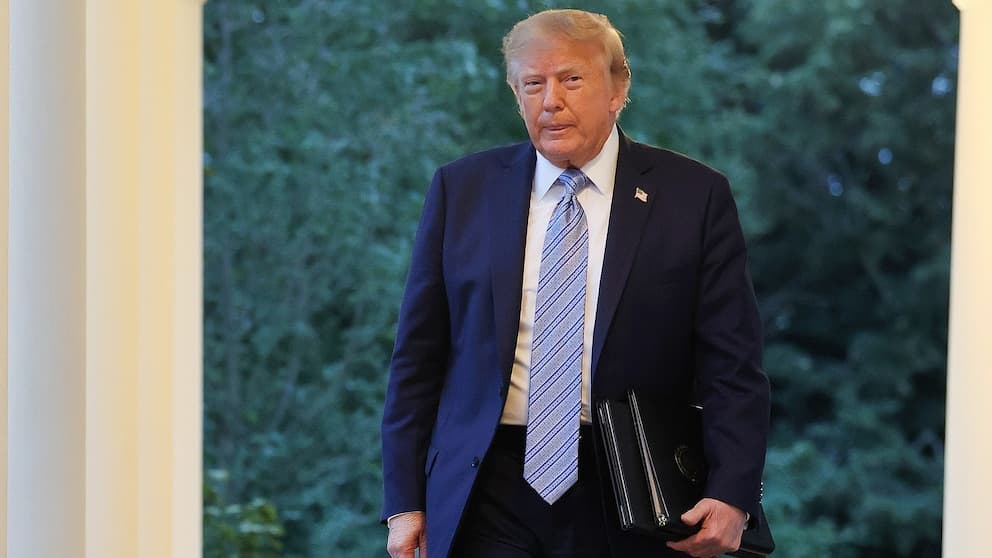
Six months after President Donald Trump issued an executive order warning states against AI regulation, legislative activity has actually increased. Trump directed the attorney general to challenge state laws deemed more than "minimally burdensome" and threatened to restrict federal broadband and grant funding to states with AI laws.
The order aimed to prevent states from creating a patchwork of regulations that could hamper an industry Trump views as critical to competing with China. The White House said it would not target laws preventing fraud or protecting consumers and children.
Despite the threat, more AI bills have been introduced this year than last, according to Justine Gluck, policy director of the Future of Privacy Forum. The Trump administration has not yet enforced its executive order by suing states or withholding funds.
States advance chatbot and transparency rules
Multiple states enacted AI legislation in 2025, with bipartisan support in many cases. Illinois passed a bill requiring AI developers to use independent auditors to verify compliance with safety protocols designed to prevent catastrophic events like biological weapons attacks or large-scale hacks. The legislation builds on earlier California and New York laws.
Colorado, Connecticut, Idaho, Iowa, Nebraska, and Oregon all passed restrictions on AI chatbot interactions, particularly with minors. Connecticut's law prohibits companion chatbots from interacting with anyone under 18 unless programmed against encouraging self-destructive behavior and equipped with parental controls.
Colorado requires companies using AI in employment, education, housing, or banking decisions to disclose that AI influenced the outcome. Connecticut mandated similar transparency for employers using AI in hiring or personnel decisions.
Republican-led states show mixed response
Some Republican-controlled states have resisted AI regulation. Florida's House blocked Governor Ron DeSantis's AI "Bill of Rights" legislation after House Speaker Daniel Perez cited Trump's preference for federal oversight. DeSantis criticized the decision, noting Congress has failed to act.
In Utah, legislation modeled on California and New York laws stalled after the White House sent lawmakers a memo stating it was "categorically opposed" to the bill.
California lawmakers are advancing the "No Robo Bosses Act of 2026," which would prohibit employers from using AI alone to fire or discipline workers. The state is also considering expanded chatbot regulations, including banning the use of children's chatbot data for advertising.
The Nevada Independent originally reported these developments as part of its coverage of state AI policy.
This is an original analysis by the Omega editorial team. Source reporting: AI Watch.
Want systems like this working for your business?
Book a Call