Musicians Sue Suno for Encoding Artist Identities Into AI Models
The lawsuit centers on right-of-publicity violations rather than copyright, claiming the AI music platform tokenized performer identities without consent.
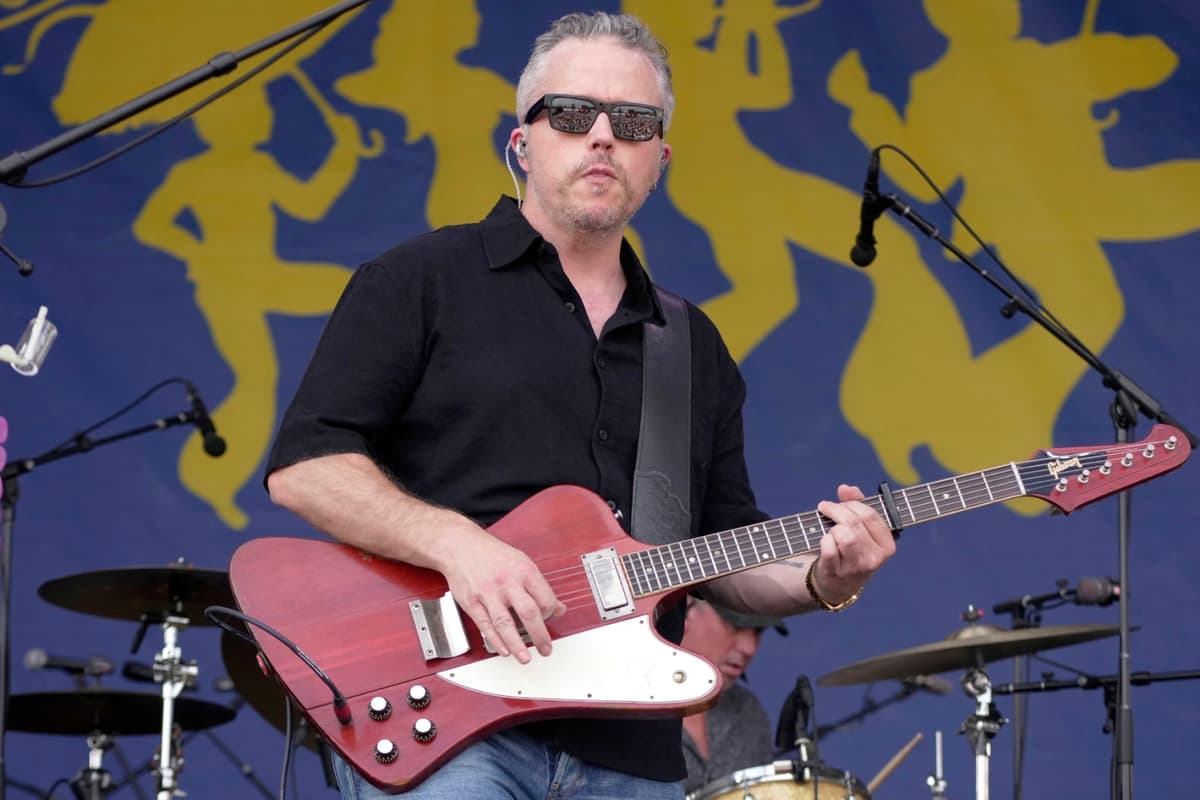
Musicians Target AI's Use of Performer Identities
Jason Isbell, David Lowery, Guy Forsyth, and jazz saxophonist Ed Calle have filed a lawsuit against AI music platform Suno in Massachusetts federal court, marking a new legal front in disputes over generative AI. Unlike previous litigation focused on copyrighted recordings, this case targets alleged violations of right-of-publicity laws—the legal protection of a person's identity and persona.
According to the complaint first reported by Rolling Stone, Suno allegedly "encoded" the identities of numerous artists into its AI model without permission and now exploits those identities for commercial gain. The lawsuit argues that while musicians may sell rights to specific recordings, their identity rights remain with the performer unless separately licensed, typically for merchandise.
How the System Allegedly Works
The suit claims Suno converted identifying attributes of specific musicians into "tokens" that generate sound and descriptions mimicking real artists' work. When prompted with "Jason Isbell," the platform allegedly produced an Americana song called "Paper Bell" with vocals and instrumentation characteristic of Isbell's style, accompanied by a description reading "contemporary Americana singer-songwriter with fingerpicked acoustic guitar."
Similar results allegedly occurred with other artists. A "Buddy Guy" prompt generated "Stone Blues in My Shoes" described as "vintage electric Chicago blues." Entering "Less Than Jake" created "Parking Lot Anthem" with a description matching the band's ska-punk sound and album art evoking their actual cover designs.
Bypassing Guardrails
Suno CEO Mikey Shulman stated last month that the platform removes artist names from prompts and redirects requests toward descriptive musical characteristics. The lawsuit contends these filters are easily circumvented.
Users can allegedly prompt the system using real names instead of stage names—entering Common's legal name, Lonnie Rashid Lynn, reportedly produced tracks capturing his socially conscious hip-hop style. The suit also claims adding spaces between letters in artist names works: typing "m i c h a e l j a c k s o n" allegedly generated two songs called "Glovebox Moonwalk," described as "1980s pop-funk dance tracks" and accompanied by images of a white glove.
The plaintiffs assert this technique works with major artists including Taylor Swift, Bad Bunny, and Bruno Mars. Many of the AI-generated songs cited in the lawsuit remained available on Suno at the time of reporting.
Why It Matters
This lawsuit represents a strategic shift in legal challenges against AI companies. By focusing on right-of-publicity rather than copyright infringement, musicians are asserting control over their identities as distinct from their recorded works. The outcome could establish whether AI platforms must license performer identities separately—potentially creating a new revenue stream for artists while forcing AI companies to fundamentally restructure their training and generation processes. For business leaders in AI, this case signals that intellectual property concerns extend beyond copyrighted content to include the commercial value of personal identity and brand.
Rolling Stone first reported the details of the lawsuit and obtained the court filing.
This is an original analysis by the Omega editorial team. Source reporting: AI Watch.
Want systems like this working for your business?
Book a Call
