MPA and ByteDance Strike IP Protection Deal for AI Generators
The agreement follows months of tension after Hollywood's trade group accused the TikTok owner of copyright violations at scale.
From Cease-and-Desist to Collaboration
The Motion Picture Association and ByteDance announced Monday they have established a framework to safeguard film and television intellectual property across ByteDance's generative AI products, including the video generator Seedance and image tool Seedream.
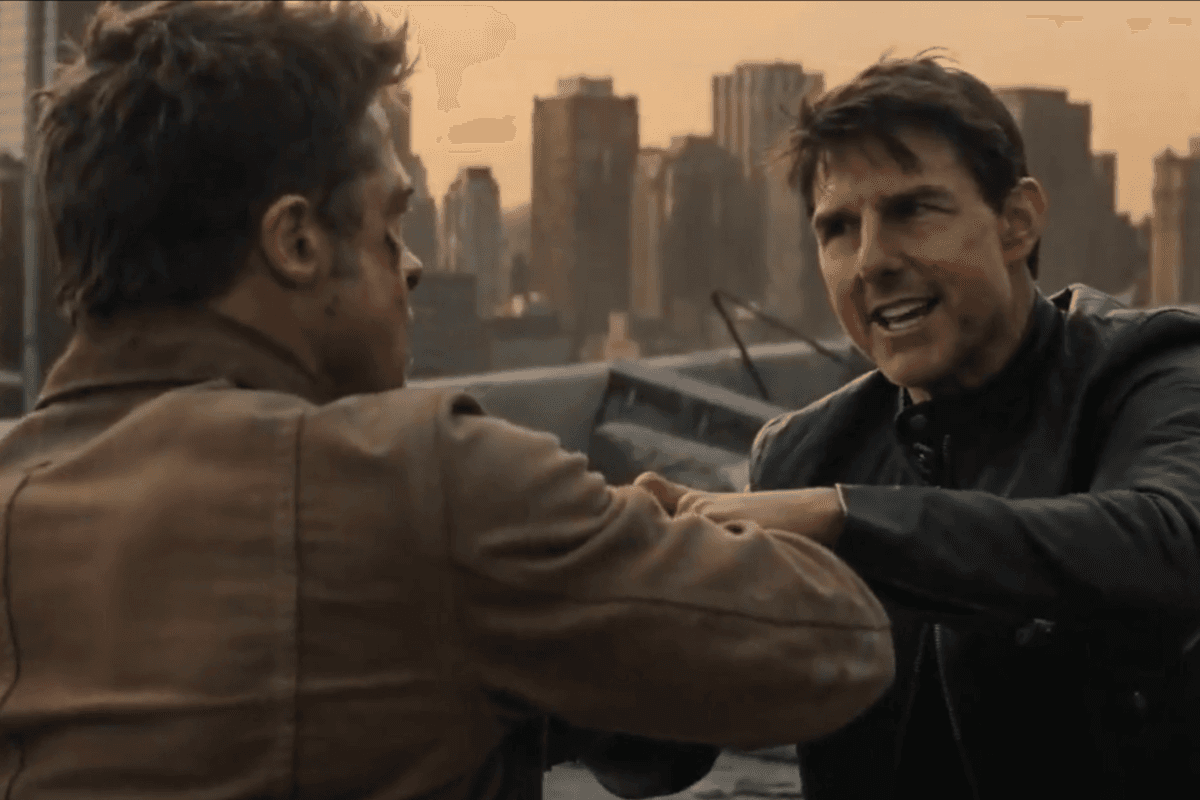
The memorandum of understanding marks a significant shift from February, when the MPA sent ByteDance a cease-and-desist letter following the release of Seedance 2.0. That version allowed users to create content featuring likenesses of actors including Brad Pitt and Tom Cruise, prompting the MPA to accuse ByteDance of "disregarding well-established copyright law that protects the rights of creators and underpins millions of American jobs" on "a massive scale."
According to Variety, which first reported the agreement, the two organizations subsequently entered negotiations that resulted in IP protections incorporated into Seedance 2.5 and Seedream 5.0 Pro, released last month. These tools are available across ByteDance's app portfolio, including TikTok, the U.S. version of TikTok, CapCut, and Dreamina.
Why it matters
This agreement illustrates how major entertainment industry players are moving from confrontation to negotiation with AI companies over unauthorized use of copyrighted material. Rather than pursuing prolonged legal battles, Hollywood's primary trade group opted for direct engagement to establish guardrails—a pragmatic approach that could serve as a template for other AI partnerships. The framework also signals that ByteDance, facing regulatory scrutiny on multiple fronts, recognizes the business value of cooperation with content rightsholders.
Industry Pattern Emerges
The ByteDance resolution reflects Hollywood's broader strategy for addressing generative AI challenges. MPA Chairman and CEO Charles Rivkin emphasized that "copyright is a cornerstone of the film and television industry" and praised the "constructive engagement" that led to "meaningful guardrails."
The entertainment industry faces a fundamental tension with generative AI: many creators see potential in the technology while simultaneously worrying about unauthorized scraping of their work and likenesses to train models. The MPA previously criticized OpenAI's Sora video model before that company implemented its own protective measures.
ByteDance General Counsel John Rogovin stated the company "respects the intellectual property rights that underpin creative industries around the world" and views "responsible innovation in AI" as compatible with "meaningful protections for rightsholders." He characterized the MOU as "an important framework for continued collaboration as the technology evolves across a variety of products and platforms."
The agreement establishes ongoing cooperation between the two parties as ByteDance continues developing its AI capabilities and the MPA works to protect its members' content.
Variety first reported details of the agreement.
This is an original analysis by the Omega editorial team. Source reporting: AI Watch.
Want systems like this working for your business?
Book a Call
