Mount Shasta Hikers Rescued After Relying on Gemini AI for Planning
California sheriff's office warns against using AI chatbots as sole source for wilderness expedition preparation after multiday rescue operation.
Rescue Operation Highlights AI Planning Risks
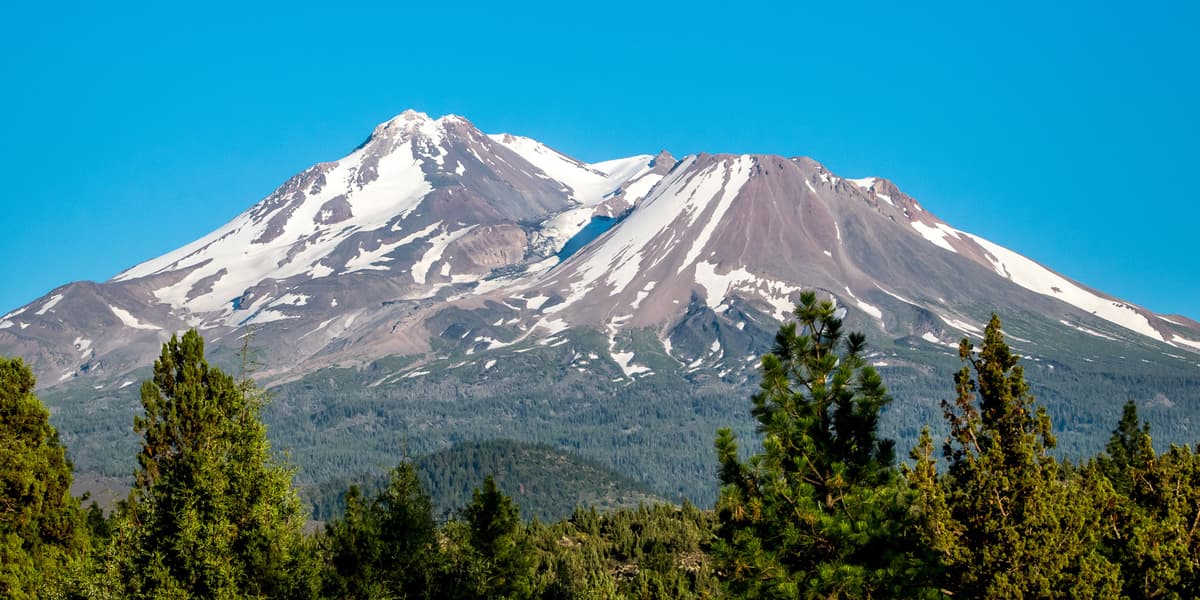
Three hikers required emergency rescue from California's Mount Shasta this week after using Google's Gemini AI chatbot to plan their expedition, underscoring the limitations of relying on artificial intelligence for wilderness safety decisions.
The trio began their ascent at 3 a.m. but didn't reach the summit until 7 p.m.—well past the noon turnaround time recommended for climbers on the 14,179-foot peak. After attempting to descend in darkness, the group called the Siskiyou County sheriff's office for directions and spent the night stranded in Mud Creek Canyon before Forest Service rangers and volunteers extracted them the following morning.
According to the sheriff's office report, Gemini advised the hikers to carry significantly less food and water than their group actually needed. What the AI predicted as an eight-hour climb stretched into a multiday ordeal, leaving the party undersupplied for the extended duration.
Why It Matters
This incident reveals a critical gap in how AI systems handle high-stakes planning scenarios where safety margins and contingency preparation are essential. While large language models can aggregate general information, they lack the contextual judgment to account for individual fitness levels, weather variability, and the consequences of optimistic timing estimates. For enterprise leaders deploying AI decision-support tools, the case illustrates why human expertise and local knowledge remain irreplaceable in domains where errors carry serious consequences.
Official Guidance on AI Trip Planning
The Siskiyou County sheriff's office issued a clear recommendation following the rescue: hikers should contact the local U.S. Forest Service Mount Shasta ranger station before any trip to obtain accurate, current information. Officials emphasized that AI should never serve as the sole source for expedition planning.
Mount Shasta presents particular challenges that require experienced judgment. The volcano's weather can change rapidly, altitude affects climbers differently, and route conditions vary throughout the season—factors that require real-time assessment rather than algorithmic prediction.
While the sheriff's report noted that Gemini's guidance contributed to the undersupply problem, it acknowledged that the chatbot cannot shoulder all responsibility for the group's decisions, including their choice to continue climbing seven hours past the recommended turnaround time.
The incident was first reported by the Chicago Tribune, citing details from the Siskiyou County sheriff's office.
This is an original analysis by the Omega editorial team. Source reporting: AI Watch.
Want systems like this working for your business?
Book a Call