Microsoft's $190B AI Bet Strains Core Businesses Under Nadella
Three years after leading the AI charge, the CEO faces mounting pressure as capacity constraints and competitive threats test the company's foundation.
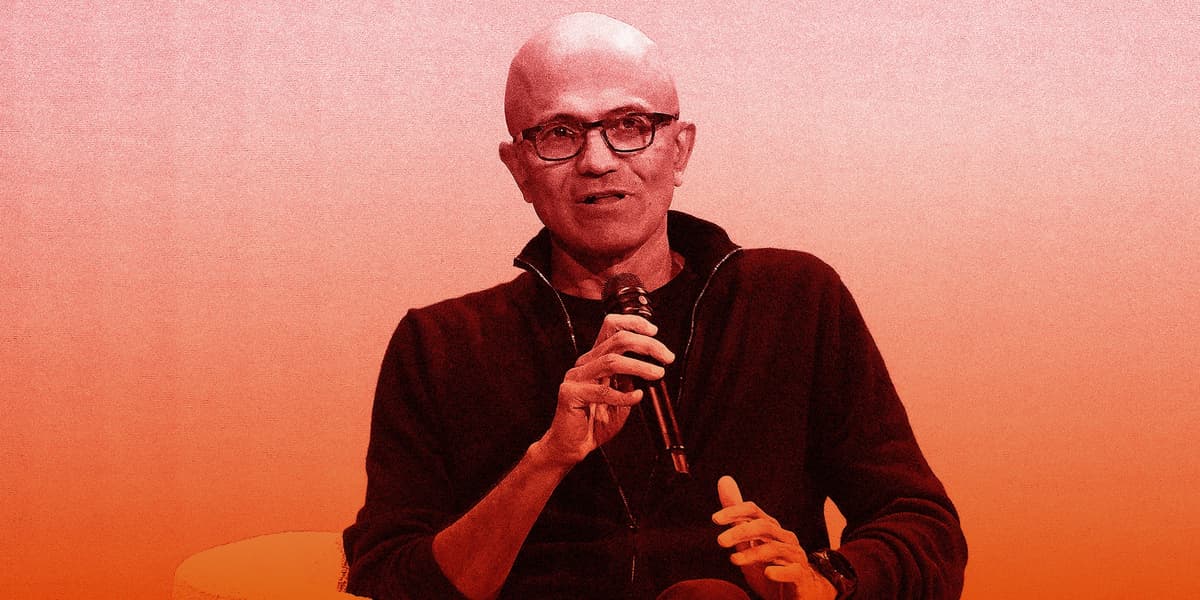
Microsoft CEO Satya Nadella transformed his reputation in February 2023 by launching an AI-powered Bing and declaring war on Google's search dominance. The move earned him CEO of the Year honors and widespread acclaim for positioning Microsoft at the forefront of artificial intelligence.
Three years later, that early lead has become a double-edged sword. Microsoft's stock has dropped more than 24% over the past year—worse than any other Magnificent 7 company—as investors question whether the company's massive AI investments will deliver returns before eroding its most profitable businesses.
The capacity crunch
Microsoft plans to spend $190 billion this year building AI infrastructure, yet the company still cannot meet demand. The shortage has forced difficult internal decisions about resource allocation that are creating friction with cloud customers and raising questions about strategic priorities.
During a January earnings call, CFO Amy Hood revealed Microsoft prioritizes scarce computing resources for its own AI products—including Microsoft 365 Copilot and GitHub Copilot—before allocating remaining capacity to Azure customers. That admission contributed to a 10% stock decline as investors worried about the company diverting capacity from its cloud business.
The constraints have grown so severe that Microsoft is now shopping for cloud capacity from competitors, including Amazon and Google, according to people familiar with the discussions. Amazon has already helped Microsoft address GitHub outages caused by surging AI usage.
Core businesses under siege
Microsoft 365, GitHub, and Azure—three pillars of the company's success—all face existential questions as AI reshapes how people work and build software.
Millions of knowledge workers now perform tasks directly inside AI tools that they previously did in Word, Excel, and PowerPoint. Gartner analysts predicted earlier this year that AI could dethrone traditional productivity suites in a $58 billion market upheaval.
GitHub faces similar pressure despite recent growth. Developers are flocking to AI-native coding tools like Cursor—which SpaceX recently agreed to acquire for $60 billion—and Anthropic's Claude Code. Microsoft executives have discussed internally the need to overhaul GitHub to compete with these upstarts, Business Insider previously reported.
Azure remains Microsoft's fastest-growing strategic business, but the capacity crunch has forced the company to raise sales quotas by as much as 30% this year while struggling to fulfill existing demand.
Cultural shift and leadership overhaul
Nadella has responded to mounting pressure by reshaping Microsoft's leadership structure and workplace culture. The company effectively retired its traditional senior leadership team in favor of smaller, flatter groups. Key departures include longtime product leader Yusuf Mehdi and top lieutenant Rajesh Jha.
Microsoft also overhauled its performance review system this year, creating sharper distinctions between employees in what some executives describe as a return to the controversial "stack ranking" system from the Steve Ballmer era. Managers have been instructed to reduce the number of employees in higher-level engineering roles.
"It's almost like the old era of Microsoft is back," one former executive said. "The old Windows era where you lead with a lot of fear and a billy club in your hand."
Why it matters
Microsoft's challenges illustrate the tension facing every major software company in the AI era: the same technology driving growth threatens to disrupt the core businesses that generate today's profits. For Microsoft, the stakes are particularly high because Nadella made such a visible, early bet on AI. His legacy now depends not on building the best AI, but on preventing AI from eroding the businesses that made Microsoft one of the world's most valuable companies. Wednesday's fourth-quarter earnings report will provide crucial insight into whether that balancing act is working.
These details were first reported by Business Insider.
This is an original analysis by the Omega editorial team. Source reporting: AI Watch.
Want systems like this working for your business?
Book a Call