Microsoft to Build 2-Gigawatt Datacenter Campus in Pecos, Texas
The multibillion-dollar facility will expand Microsoft's global capacity by roughly 2 GW over five to seven years, powered by dedicated onsite energy infrastructure.
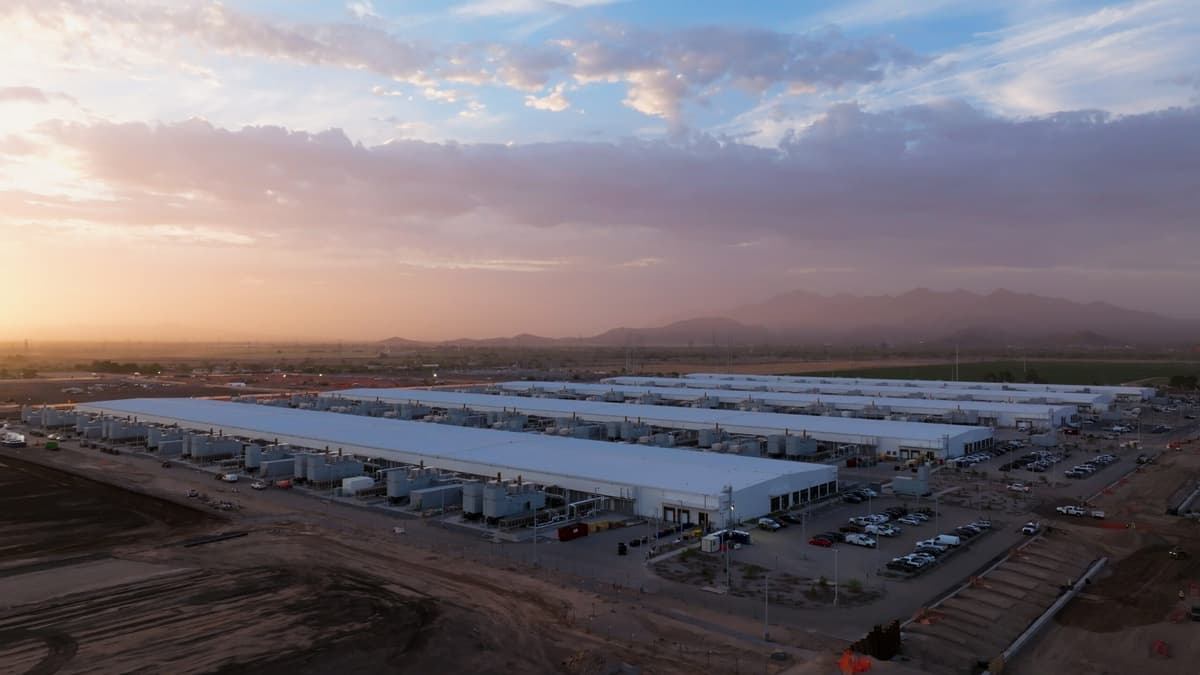
Microsoft will construct a massive datacenter campus in Pecos, Texas, representing one of the largest single capacity additions in the company's history. The facility will expand Microsoft's global datacenter footprint by approximately 2 gigawatts to accommodate accelerating customer demand for AI and cloud services, according to an announcement first reported by Microsoft.
The multibillion-dollar investment will unfold over five to seven years and is expected to generate more than 6,000 construction jobs at peak activity, plus hundreds of permanent operational positions once the campus becomes operational.
Why it matters
This project illustrates how hyperscale cloud providers are racing to secure both compute capacity and dedicated energy supplies as AI workloads strain existing infrastructure. By funding its own power generation rather than drawing from the public grid, Microsoft aims to avoid the energy bottlenecks that have delayed datacenter projects elsewhere—a model that could shape how the industry expands in regions with constrained electrical capacity.
Self-Funded Power Generation
A distinguishing feature of the Pecos campus is its approach to energy. Microsoft will finance the construction of new generation capacity and supporting infrastructure to serve the datacenter directly. At launch, the facility will operate with a co-located natural gas power plant in a "behind the meter" configuration, meaning it will function independently of the public electrical grid.
The natural gas plant will incorporate advanced emissions controls, including Selective Catalytic Reduction systems to reduce nitrogen oxide output. Over time, Microsoft anticipates connecting both the power facility and the datacenter to the broader regional grid, transitioning from isolated operation to integration with the West Texas energy system.
Microsoft has already contracted 4.7 gigawatts of renewable electricity for its Texas operations and stated it will continue pursuing carbon-free electricity sources as the campus matures.
Water and Cooling Strategy
The datacenter will deploy closed-loop cooling systems designed to drastically limit water consumption. These systems require only an initial charge at startup, with no additional water needed during normal operations. Microsoft projects the facility's total lifecycle water use will be a fraction of what a typical fast-food restaurant consumes annually.
Where water is necessary, the company plans to prioritize nonpotable sources to reduce pressure on freshwater supplies. This approach builds on Microsoft's existing water stewardship efforts in Texas, including funding the permanent protection of more than 1,500 acres in the Edwards Aquifer recharge zone near San Antonio.
Economic and Community Commitments
Reeves County Judge Leo Hung, the county's top elected official, welcomed the investment as an opportunity to support innovation and create local economic opportunities. Microsoft emphasized its "Community First" framework, which includes early engagement with residents, workforce development programs, and partnerships with local organizations.
The company pointed to its Datacenter Academy near San Antonio, which has invested $545,000 and trained more than 450 students for datacenter careers. Similar workforce initiatives and small-business support programs will be extended to West Texas.
In fiscal year 2024, Microsoft and its employees contributed $11 million in cash and $103.3 million in donated software and cloud technology to more than 10,000 Texas nonprofits, alongside 42,000 employee volunteer hours.
Details of the announcement were shared in a post by Noelle Walsh, who leads Microsoft's global cloud infrastructure and operations organization.
This is an original analysis by the Omega editorial team. Source reporting: AI Watch.
Want systems like this working for your business?
Book a Call