Micron Secures $22B in Long-Term AI Memory Chip Commitments
Memory chipmakers are betting take-or-pay contracts with customers like Nvidia will break the industry's notorious boom-bust pattern.
Micron lands $22 billion in strategic memory deals
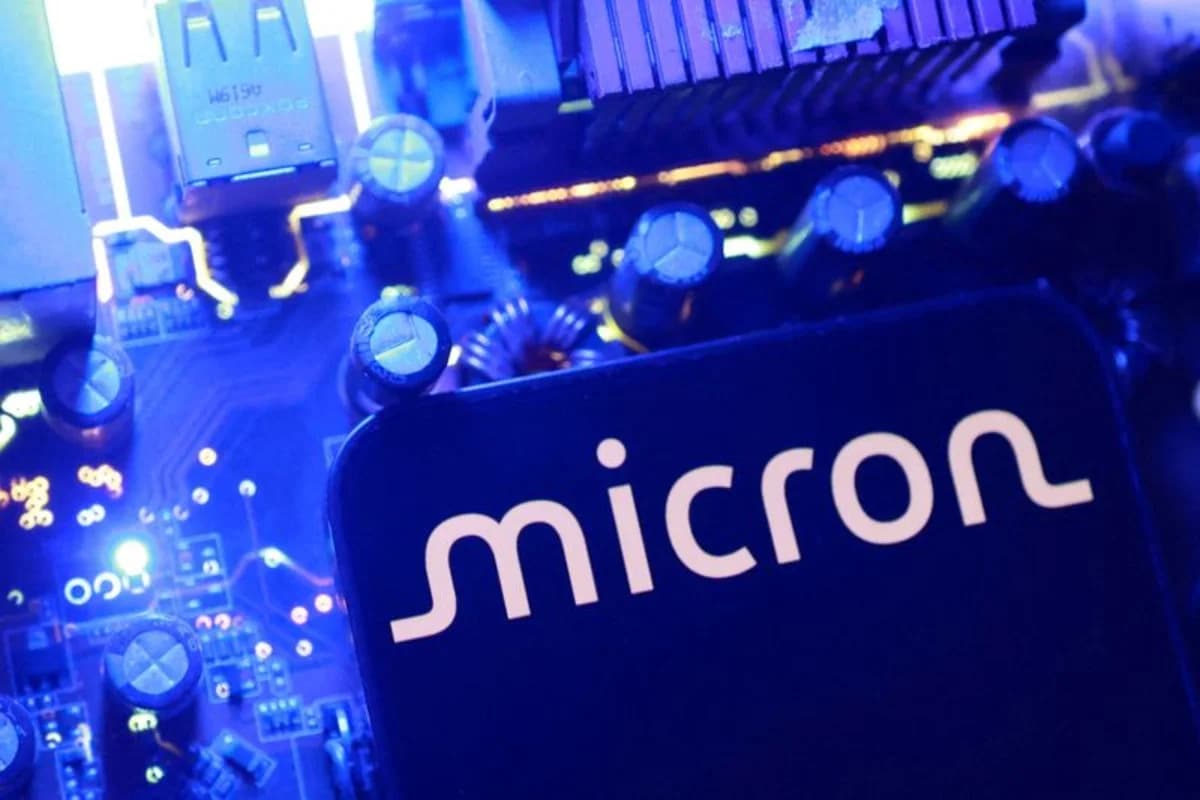
Micron Technology disclosed Wednesday that customers including Nvidia have committed $22 billion to secure future supplies of memory chips through five-year "take-or-pay" agreements. Under these contracts, clients must either purchase the chips as planned or compensate Micron regardless.
The announcement positions Micron alongside South Korean rivals Samsung and SK Hynix, which have similarly pursued long-term supply pacts with datacenter customers. These agreements represent a strategic shift for an industry historically plagued by cyclical volatility, where capacity expansions routinely collide with demand collapses.
Why it matters
Memory chipmakers are attempting to fundamentally restructure their business model at a moment when investor confidence in AI infrastructure spending faces scrutiny. The shift from commodity supplier to strategic partner—backed by billions in advance commitments—could stabilize an industry that posted dramatic losses as recently as 2023. If successful, this approach may establish a new template for capital-intensive semiconductor sectors seeking predictable revenue streams.
From commodity to strategic partner
The transformation reflects memory's elevated importance in AI computing. Chips from companies like Nvidia require substantial memory capacity, prompting customers to view suppliers not as interchangeable vendors but as critical partners whose factory expansions require financial backing to guarantee supply.
"Customers have put billions of dollars on Micron's balance sheet as a show of confidence and their commitment toward this new business model," Sumit Sadana, Micron's chief business officer, told Reuters.
The Boise, Idaho-based company reported a $5.3 billion annual loss in 2023, driven by collapsed consumer electronics spending following the pandemic-era purchasing surge. The contrast underscores the severity of cycles that have defined the memory sector for decades.
Investor concerns about AI durability
Memory stocks led a trillion-dollar market selloff earlier in the week, reflecting valuation concerns and questions about AI infrastructure spending sustainability. Jake Behan, head of capital markets at ETF provider Direxion, noted that Micron's earnings addressed a fundamental investor question about pricing power durability.
"What they showed, through longer-term strategic agreements is that visibility is improving and any downside risk is getting pushed further out," Behan said. He emphasized that the critical factor is which companies can monetize current pricing strength before inevitable normalization.
Supply constraints persist through 2027
Despite securing advance commitments, Micron indicated that factory construction timelines will keep supplies constrained until at least 2027. The company joined the trillion-dollar valuation club earlier this year before the recent market correction.
History of failed attempts
The memory industry has previously attempted long-term supply agreements without success. Past efforts failed to smooth cyclical swings because memory remained a commodity product, allowing electronics manufacturers to switch suppliers freely and pressure prices downward. Whether the current AI-driven demand environment proves different remains an open question.
These details were first reported by Reuters correspondents Stephen Nellis, Zaheer Kachwala, and Aditya Soni.
This is an original analysis by the Omega editorial team. Source reporting: AI Watch.
Want systems like this working for your business?
Book a Call