Meta Smart Glasses Used for Covert Filming Spark Privacy Alarm
Women report being secretly recorded in viral pickup videos as safety features fail basic tests and consent laws lag behind wearable AI.
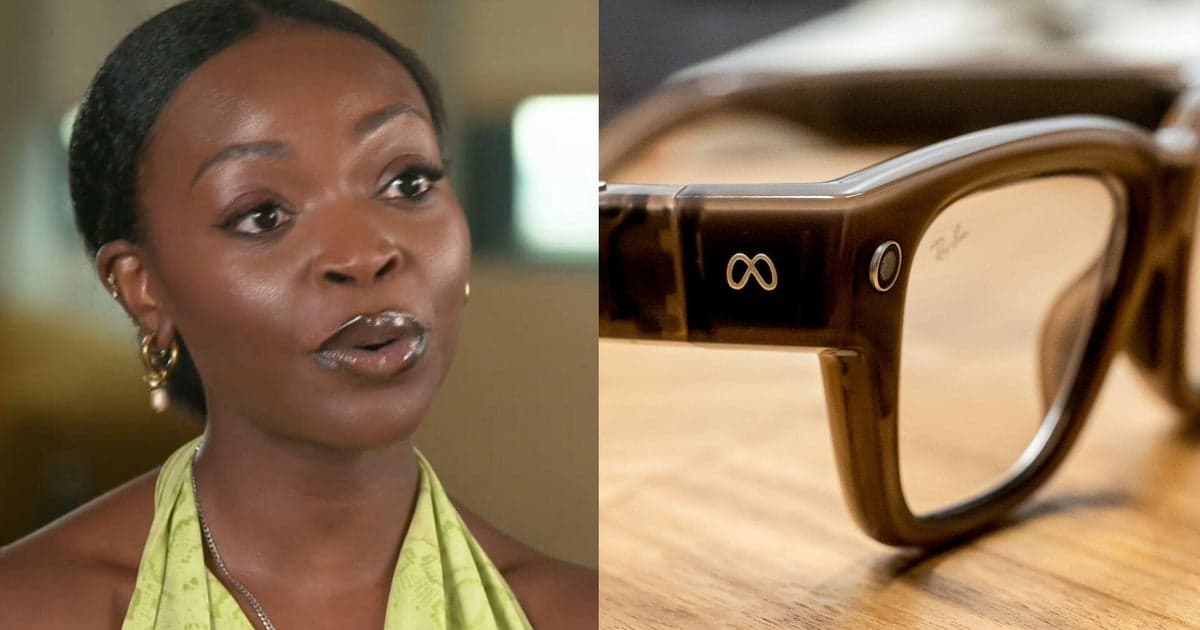
Meta's Ray-Ban smart glasses are being weaponized for covert filming, with women discovering they've been secretly recorded in viral social media videos only after friends alert them to the content.
Toluwa Omitowoju learned she had been filmed by a stranger wearing the AI-powered glasses when a video of her accumulated over 200,000 views across multiple platforms. The content creator had recorded her without permission as part of a growing trend of "prank pickup line" videos targeting unsuspecting people in public spaces.
"I had no say," Omitowoju told CBS News, which first reported the story. She noted that other women have shared worse experiences, including cases where victims cannot identify who filmed them because videos appear on anonymous burner accounts.
Safety features fail independent testing
Meta markets the glasses with built-in privacy protections, including an LED light that activates during recording and software designed to disable the camera if the light is covered or obstructed. But CBS News testing revealed a critical flaw in this system.
When reporter Anna Schecter covered the LED light after already starting to record, the tamper detection failed to stop the recording. Meta acknowledged the limitation, explaining the feature only works if the light is covered before pressing record—not during active recording.
The company said in a statement that it continues "to work to improve this technology," but the gap between marketed safety features and actual functionality raises questions about the readiness of consumer wearable cameras.
Legal landscape favors recorders over subjects
The privacy concerns extend beyond technical failures. Most U.S. states operate under one-party consent laws for recording, meaning only the person doing the recording needs to know—the subject being filmed has no legal requirement to be informed or agree.
This legal framework, combined with the covert nature of smart glasses, creates what Omitowoju describes as a fundamental threat to personal autonomy. "If someone sees a phone in front of their face, they have the opportunity to step away," she explained. "With these smart glasses and the smart technology, you're taking away the right of refusal."
Why it matters
Wearable AI cameras represent a shift in surveillance capability from obvious to invisible. Unlike smartphones that signal recording intent, smart glasses enable filming that bypasses social cues and consent mechanisms people rely on in public spaces. For businesses deploying or considering wearable technology, the Meta case demonstrates that technical safeguards and legal compliance may not be sufficient to address legitimate privacy expectations—a gap that could invite regulatory action as adoption scales.
Platform and regulatory response
Instagram head Adam Mosseri said in July that the platform would remove harassment content, including covert pickup videos. Texas Attorney General Ken Paxton launched an investigation into the glasses in May, citing concerns about filming in private settings including bathrooms.
Meta maintains that "privacy and data protection are core to every product we build," but the combination of technical limitations, legal ambiguity, and documented misuse suggests the company faces ongoing challenges in balancing innovation with user protection.
Details were first reported by CBS News.
This is an original analysis by the Omega editorial team. Source reporting: AI Watch.
Want systems like this working for your business?
Book a Call
