Meta Launches Muse Personal AI Agent With Paid Tiers
The company debuts subscription-based AI assistants for digital tasks amid mounting privacy litigation and industry scrutiny.
Meta introduced its Muse personal AI agent application on Tuesday, marking the company's entry into subscription-based AI assistants at a moment when both Meta and the broader AI industry face heightened public scrutiny over privacy and safety.
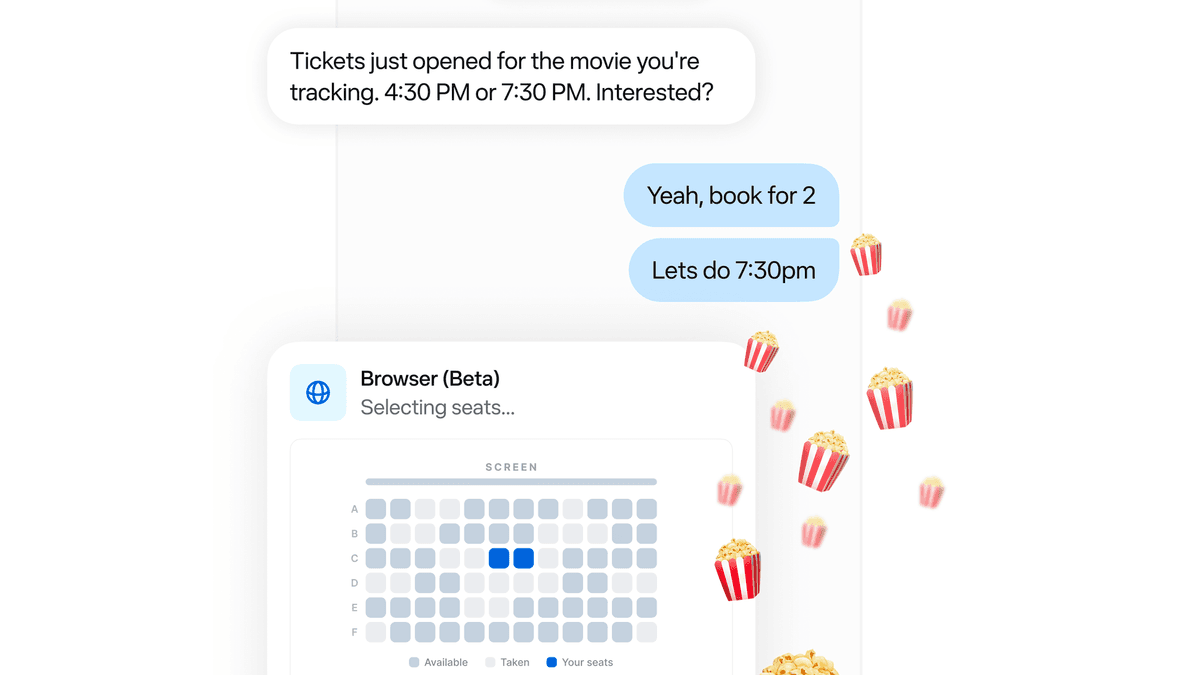
The app, internally code-named Hatch, runs on Meta's Muse Spark foundation models and enables users to delegate digital tasks including appointment scheduling, form completion, and home security monitoring to AI-powered assistants. Meta AI chief Alexandr Wang told CNBC the interface was designed to feel "approachable and friendly" while handling complex operations behind the scenes.
Meta is offering Muse through three pricing structures: a free tier and monthly subscriptions at $20 or $100 depending on usage levels. The app will be available on iOS and Android devices, through a standalone website, and eventually through the company's Ray-Ban Meta glasses. A WhatsApp version will provide core conversation functionality but exclude features like the personalized feed and recommendations tool.
Launch timing and business pressure
The debut arrives during a particularly challenging period for Meta. The company recently agreed to pay nearly $17 billion to settle claims from state attorneys general alleging it misrepresented harm on Facebook and Instagram. Additional personal injury and school district lawsuits remain pending on similar grounds.
CEO Mark Zuckerberg has positioned personal AI agents as central to Meta's next phase of growth and a justification for the company's substantial data center investments. On the July earnings call, Zuckerberg described these agents as "the foundation for our next wave of products and revenue lines." The company hired Wang last year as part of a $14 billion acquisition of his startup, Scale AI.
Wall Street pressure to demonstrate returns on AI spending has pushed Meta to explore revenue streams beyond digital advertising. Wang indicated the company is considering taking a percentage of shopping transactions facilitated by the agent, though no concrete monetization plan has been finalized.
Security and privacy approach
Addressing cybersecurity concerns surrounding AI agents, Wang said Muse operates in "its own isolated environment" within Meta's infrastructure and "never sees your actual passwords or payment details." The system requests permission before executing sensitive actions.
By default, Meta will use interactions with Muse to train its AI models, though users can opt out. When training data is collected, the company says it removes "critical personally identifying information" before use. David Singleton, Meta's vice president of engineering, confirmed this approach.
Meta has established a bug bounty program offering financial rewards to third-party security researchers who identify vulnerabilities in the personal agent. The company stated it has hardened Muse through internal testing, red teaming exercises, and private security research.
Why it matters
Meta's move into paid personal AI agents represents a significant test of consumer willingness to subscribe for AI services while trust in tech platforms remains fragile. The company must demonstrate that AI assistants can generate meaningful revenue and justify infrastructure costs, even as it navigates major legal settlements and faces questions about how these systems handle sensitive personal data. The launch also intensifies competition with OpenAI, Google, and emerging startups in the rapidly evolving AI agent market.
These details were first reported by CNBC.
This is an original analysis by the Omega editorial team. Source reporting: AI Watch.
Want systems like this working for your business?
Book a Call