Meta Faces Class Action Over Biometric Data in AI Training
Parents allege the company extracted facial recognition data from Facebook and Instagram photos without consent to build unreleased smart glasses features and train generative AI models.
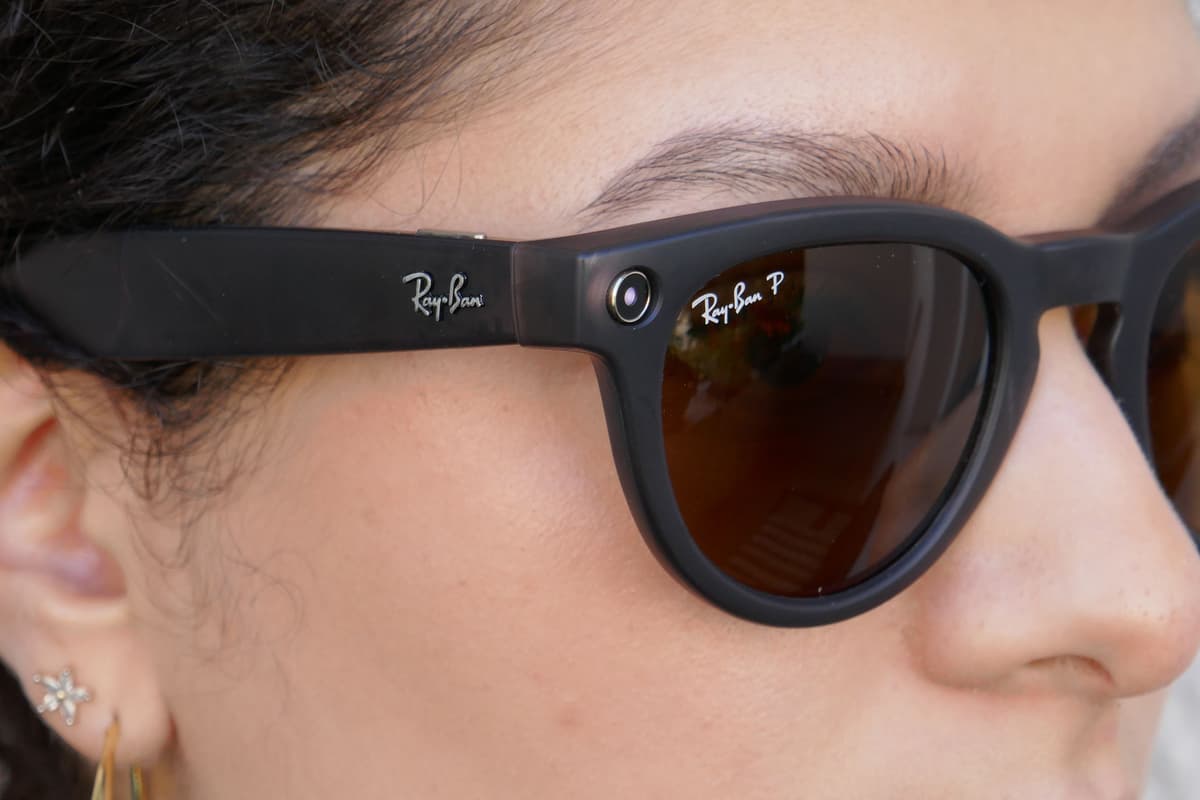
Meta is facing a proposed class action lawsuit in federal court alleging the company illegally extracted biometric information from Facebook and Instagram photos to develop facial recognition technology and train generative AI models.
The complaint, filed in Chicago by parents and children from Illinois and California, centers on two Meta projects: NameTag, an unreleased face-recognition system designed for the company's smart glasses, and generative AI models including Emu and Muse Image. The plaintiffs claim Meta violated Illinois and California privacy laws by processing biometric data without providing notice or obtaining consent.
The NameTag controversy
WIRED first reported in June that code for NameTag had been embedded in Meta's smart glasses AI companion app, which had been downloaded more than 50 million times. According to that analysis, the system was designed to convert faces captured by the glasses into biometric signatures and match them against faceprints stored in a database on users' phones, with that database configured to receive updates from Meta.
The lawsuit alleges these faceprints may have been derived from Facebook and Instagram images. The complaint cites reporting that Meta employees claimed NameTag could identify people through their Meta connections or public Instagram accounts, along with a company patent describing face matching against profile photos and other images in Meta's possession.
Meta removed the NameTag code from its app the day after WIRED's June report. The company has maintained that the feature never existed because it was not available to consumers, though the analysis found a technically functional face-recognition system had been shipped in the app. Meta CTO Andrew Bosworth later described NameTag on a podcast as something that could recognize people a glasses wearer had previously met and asked the device to remember.
Training AI on social media photos
The lawsuit also targets Meta's image-generation systems. Meta has publicly stated it trained Emu on large quantities of Facebook and Instagram images and text. Chief product officer Chris Cox previously called those platforms a "data advantage" for the company's AI systems.
The complaint alleges this training process illegally harvested biometric information about people appearing in the images. Muse Image, released this summer, drew criticism after allowing users to generate images based on other people's public Instagram accounts—a feature Meta removed within days.
Why it matters
This case could establish important precedent for how tech companies use social media content to train AI systems. With generative AI development accelerating across the industry, the lawsuit raises fundamental questions about whether uploading photos to social platforms constitutes consent for biometric data extraction and AI training. For businesses deploying AI, the outcome may clarify compliance requirements under state biometric privacy laws, particularly as more states consider similar legislation.
Pattern of violations
Meta has previously faced significant penalties over biometric data handling. In 2020, the company paid $650 million to settle an Illinois class action over an earlier face-recognition system, subsequently shutting down that system and deleting more than a billion faceprints in November 2021. In 2024, Meta agreed to pay Texas $1.4 billion to resolve allegations of unlawful biometric data collection.
The proposed class includes people in Illinois, California, and across the United States whose images were uploaded to Facebook or Instagram or submitted to Meta's generative AI systems through prompts, dating back to September 4, 2021. The complaint estimates the national class could number in the millions.
Under Illinois' Biometric Information Privacy Act, the plaintiffs seek $5,000 for each intentional or reckless violation and $1,000 for each negligent violation, plus injunctive relief. The California claims seek additional damages.
In a statement, a Meta spokesperson said the lawsuit "is without merit and misrepresents our work," adding that the company has "been transparent about how we use people's information to build and improve our AI products." The spokesperson emphasized that "nothing has shipped to consumers" regarding NameTag and that "we are not building a universal face database."
These details were first reported by WIRED.
This is an original analysis by the Omega editorial team. Source reporting: WIRED.
Want systems like this working for your business?
Book a Call