Meta faces backlash over opt-out AI image policy using likenesses
Privacy advocates and talent representatives demand affirmative consent before people's faces appear in AI-generated content.
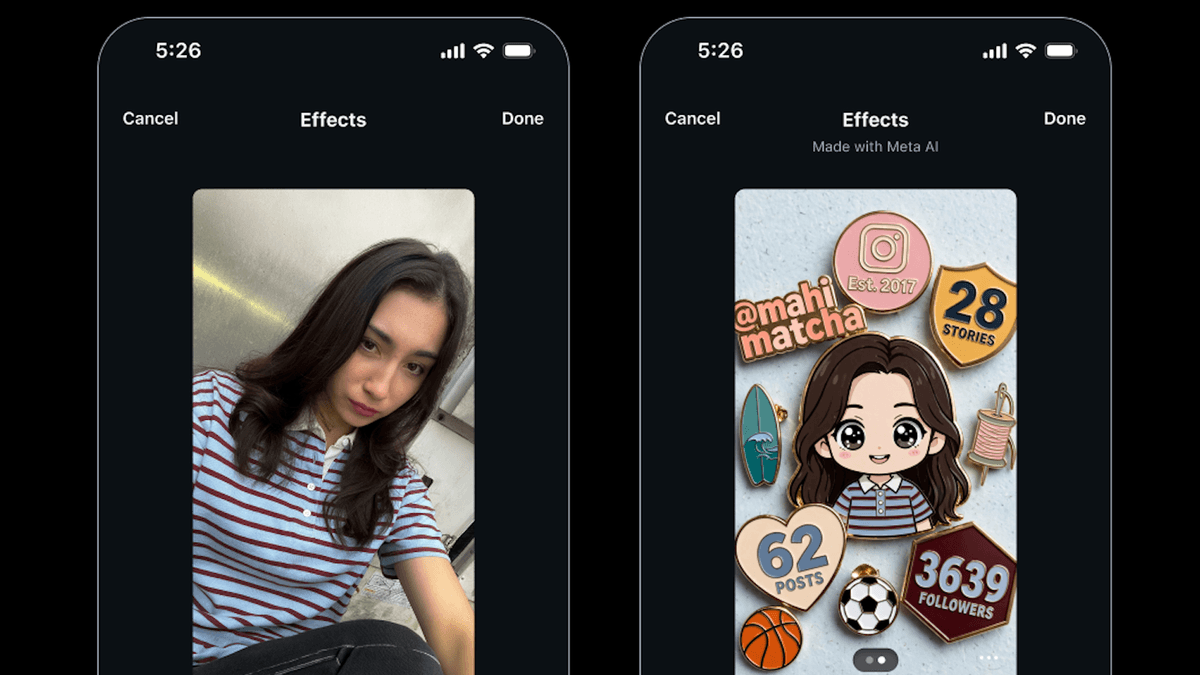
Meta is drawing sharp criticism from privacy advocates and entertainment industry representatives over its decision to allow AI-generated images using the likenesses of anyone with a public Instagram account — without requiring their permission first.
The company this week launched its Muse Image model and integrated it into Meta AI, enabling users to tag any adult's public Instagram account and incorporate that person's likeness into AI-generated images. The feature operates on an opt-out basis, meaning people must actively disable it to prevent their faces from being used. Users receive no notification when someone creates an AI image featuring their likeness.
Why it matters
The controversy crystallizes a fundamental question facing the AI industry: whether companies can use people's images by default and force them to opt out, or whether they must obtain explicit consent first. The answer will shape how millions of people's digital identities are commodified in AI systems.
Privacy groups call policy 'creepiest possible path'
Public Citizen characterized Meta's approach as an "egregious invasion" of privacy. J.B. Branch, the organization's director of federal AI governance and technology policy, said people shouldn't discover their faces have become "raw material for someone else's AI experiment."
The talent agency CAA issued a statement demanding Meta reverse course and require affirmative consent. "No one's name, image, likeness, voice, or creative work should be used by any third party, including AI models, without clear, documented consent," the agency said. CAA argued that artists deserve control over whether and how their likeness appears, including the ability to set terms, monitor usage, and prevent unauthorized endorsements.
SAG-AFTRA, the major actors' union, recommended its members opt out of the feature and shared instructions for doing so.
Meta defends safeguards, signals openness to changes
Meta maintains that its image generation tool includes "built-in protections designed to prevent the generation of policy-violating content, including violent, sexual, or defamatory imagery of real people."
The company has not yet modified its policy in response to the opposition. However, Alexandr Wang, chief of Meta Superintelligence Labs, acknowledged receiving feedback from critics and told Axios the company is "being thoughtful about what the next steps for that product should be."
These details were first reported by Axios.
This is an original analysis by the Omega editorial team. Source reporting: AI Watch.
Want systems like this working for your business?
Book a Call
