Meta Earned $1.4B From China Partner Running Deepfake Porn Ads
Beijing-based GatherOne placed 7,600 ads for AI nudification apps on Facebook and Instagram despite platform policies banning such content.
A Chinese advertising intermediary has placed thousands of ads for AI-powered "nudify" applications on Meta's Facebook and Instagram platforms, violating the company's stated policies while generating substantial revenue from the restricted Chinese market.
Beijing-based GatherOne Inc., one of Meta's 11 official advertising agents in China, was responsible for approximately 7,600 ads promoting mobile apps that transpose women's faces onto naked bodies and create sexualized videos, according to a new report from the Tech Transparency Project. The nonprofit watchdog identified the ads running between April and June of this year.
Revenue from a blocked market
While Facebook and Instagram remain unavailable to users within China, Meta generated $18.4 billion in Chinese sales during 2024—representing 11% of its global revenue and more than double its 2022 figures from the country. Chinese companies use intermediaries like GatherOne to purchase ad placements targeting international audiences on Meta's platforms.
The arrangement has created a lucrative but problematic revenue stream. Internal Meta documents cited by Reuters in December indicated that roughly 19% of the company's China revenues in 2024 came from ads promoting banned content including pornography, scams, and illegal gambling.
Policy violations and enforcement gaps
Meta's advertising standards explicitly prohibit sexually suggestive ads and those for apps designed to digitally remove clothing from images of people. Yet TTP's findings reveal systematic enforcement failures.
One app cluster directed users to BAfter, an Android application whose developer is listed in China's Guangxi province. The app featured a "ShareZone" section offering pornographic face-swap content. Multiple reviewers on Google Play flagged what they described as child pornography and AI-generated videos of minors. The app was listed as suitable for all ages before disappearing from Google Play on July 21.
"Meta appears to be giving a free pass to one of its top Chinese advertising partners when it comes to nudify ads," said Katie Paul, TTP's director. She noted the findings contradict Meta's public statements about prohibiting deepfake-nude app advertisements.
Meta responded that it takes "aggressive steps" to combat non-consensual intimate imagery and nudify apps. The company said all advertisers must comply with its standards or face ad cancellations, financial penalties, and account termination. Following Bloomberg's inquiries, Meta banned BAfter and blocked links to several other nudification apps.
GatherOne stated it maintains zero-tolerance policies against deceptive practices, adult content, non-consensual AI-generated material, child exploitation, and fraud. The company announced it is suspending new advertising accounts for AI nudification and face-swap services while undertaking what it called a comprehensive compliance upgrade.
Why it matters
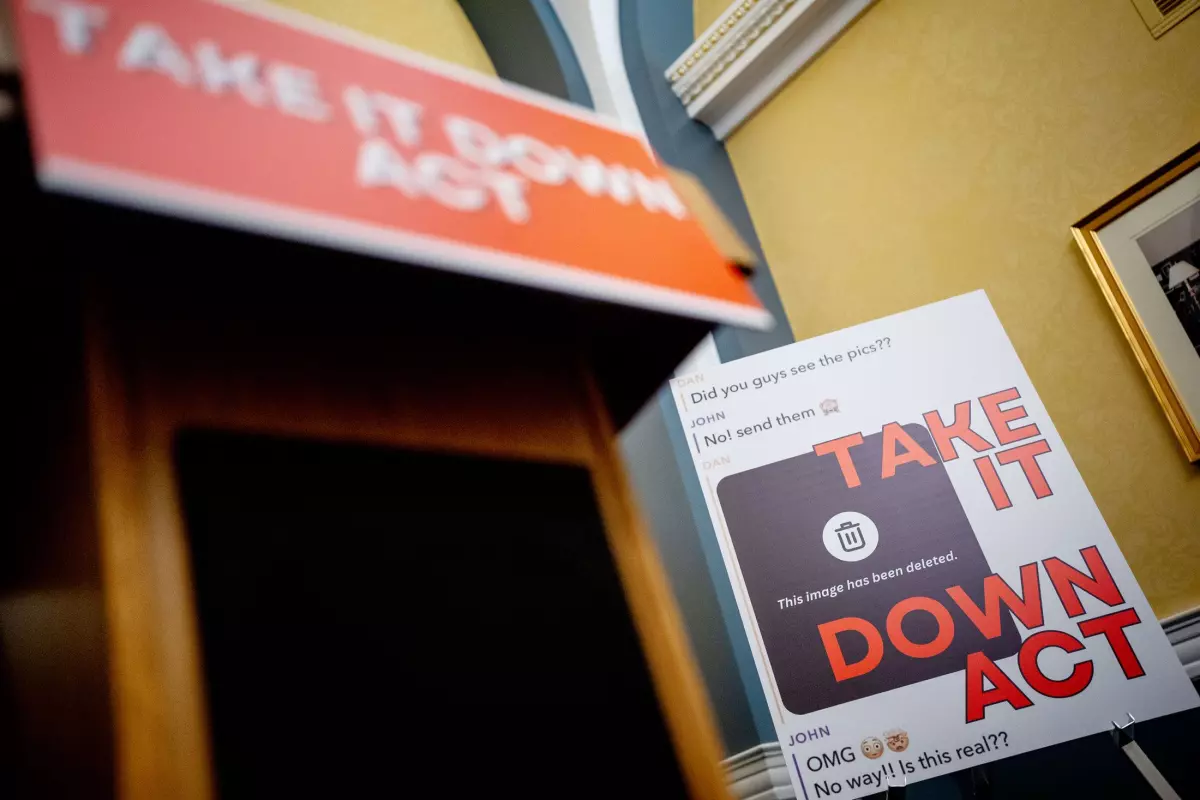
The scale of this advertising operation—and Meta's apparent difficulty controlling it—highlights the challenge tech platforms face balancing international revenue growth with content moderation. With more than half of 557 U.S. teenagers surveyed by George Mason University reporting they had used nudification tools, and over a third saying they were victims of such tools, the proliferation of these services poses genuine harm. The Take It Down Act, signed into law last year and enforced by the FTC since May, criminalizes non-consensual sexual content publication, but enforcement depends on platforms actually detecting and removing violating ads before they reach millions of users.
The details were first reported by Bloomberg's Purnell, with the Tech Transparency Project report published Monday.
This is an original analysis by the Omega editorial team. Source reporting: AI Watch.
Want systems like this working for your business?
Book a Call