LS Electric Deploys Boston Dynamics Spot Robots in Busan Plant
Two quadruped robots now monitor transformer production equipment using thermal imaging and AI-based inspection to enable predictive maintenance.
Korean manufacturer automates factory inspections with quadruped robots
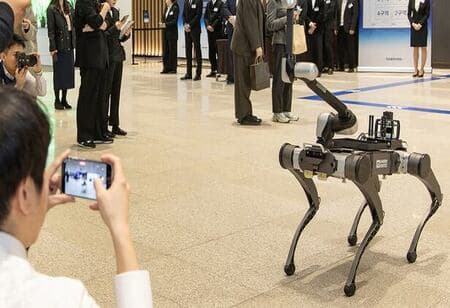
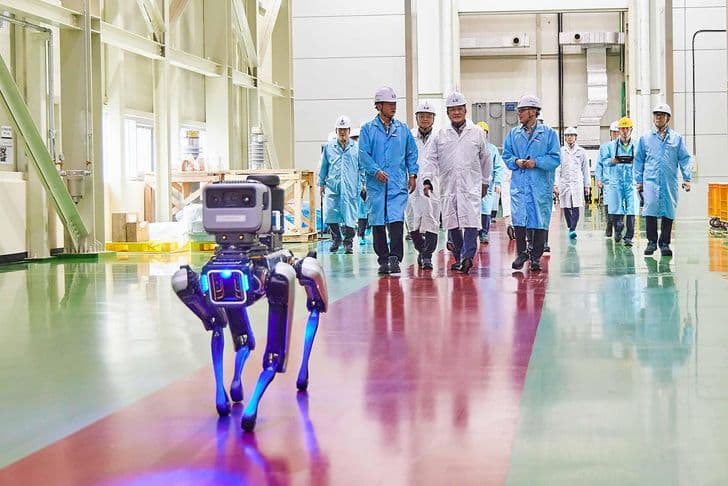
LS Electric has begun regular operation of two Boston Dynamics Spot robots at its Busan manufacturing facility, where the four-legged machines monitor production equipment and support quality control for ultrahigh-voltage transformer manufacturing, according to The Korea Times.
The deployment follows a two-month trial period that began in July, conducted in partnership with Hyundai Autoever, the systems integration arm of Hyundai Motor Group. The robots are now part of the company's effort to build predictive maintenance capabilities that identify equipment issues before they disrupt production.
Why it matters
The Busan plant produces ultrahigh-voltage transformers at a time when global demand is climbing due to expanded investment in AI data centers and electrical grid infrastructure. Automating inspection tasks with mobile robots allows manufacturers to monitor critical equipment continuously without pulling workers from other duties or exposing them to hazardous environments. The approach represents a practical application of robotics in industrial settings where traditional fixed automation falls short.
Monitoring critical transformer production processes
Spot robots are being used to oversee vapor phase drying, a crucial step in transformer manufacturing where components undergo drying in vacuum chambers. The robots use onboard thermal cameras to inspect chamber door seals and detect heat leaks without physical contact. Sensors mounted on the units collect thermal, acoustic and vibration data from pumps, motors and control panels to flag early indicators of equipment malfunction.
Beyond the drying process, the robots patrol factory floors to monitor temperature- and humidity-sensitive equipment using AI-powered visual inspection systems. They also check test equipment and utility infrastructure including motors, chillers and generators for abnormal heat signatures or noise patterns.
Reducing worker exposure to hazardous areas
LS Electric noted that the robots patrol restricted or dangerous zones in place of human inspectors, eliminating safety risks associated with routine checks in those environments. The automation also frees workers from repetitive inspection rounds, allowing them to focus on tasks requiring human judgment.
The company plans to use data collected from the Busan deployment to develop an AI analysis model for broader application. LS Electric intends to extend the robotic inspection system to additional production facilities in South Korea and international locations.
"We plan to actively apply AI and robotics technology to our manufacturing sites to secure competitiveness in quality, price and delivery," an LS Electric official stated.
Details of the deployment were first reported by The Korea Times.
This is an original analysis by the Omega editorial team. Source reporting: Automation Watch.
Want systems like this working for your business?
Book a Call