London surgeons use AI to guide brain tumor removal surgery
Real-time computer vision system helped identify critical nerves and blood vessels during delicate pituitary operation, restoring patient's sight.
Breakthrough procedure combines human expertise with machine vision
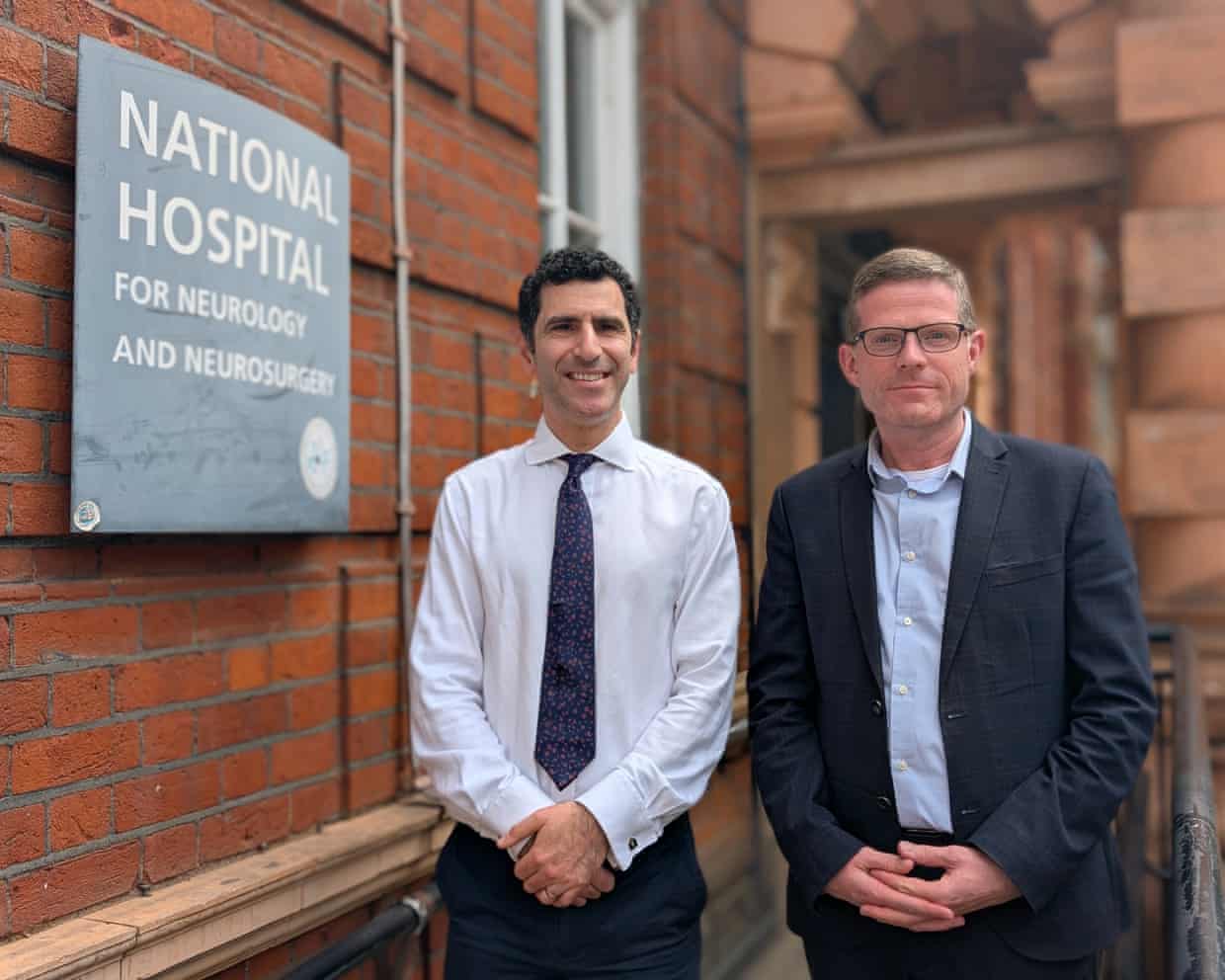
Neurosurgeons at London's National Hospital for Neurology and Neurosurgery have completed what health officials describe as the world's first successful AI-assisted brain tumor removal, a procedure that saved the vision of a 48-year-old patient.
The operation took place in May 2026 but remained confidential until the patient, Rhys Hibbert, completed his recovery. The surgical team used an AI system that analyzed live camera footage during the procedure, identifying and color-coding critical anatomical structures including nerves and blood vessels surrounding an 11-millimeter tumor on Hibbert's pituitary gland.
The surgeons maintained full control throughout the operation while the AI provided real-time visual guidance. Within a week of surgery, Hibbert could walk independently without corrective lenses. He has since returned to his job as a customer service manager.
Why it matters
This procedure represents a practical application of AI in high-stakes surgical environments where millimeter-level precision determines outcomes. The technology addresses a fundamental challenge in neurosurgery: the pituitary gland sits in an extremely dense anatomical region where blood vessels and optic nerves are tightly packed. A single millimeter of error can cause blindness, stroke, or death. By training on hundreds of surgical videos, the system provides pattern recognition that would take individual surgeons years to develop through direct experience alone.
From research tool to operating room
The hospital had previously deployed the technology only as a research instrument. This marked its first use in an actual patient procedure, according to details first reported by The Guardian.
Dr. Sophia Bano, an associate professor in robotics and AI at University College London who served as technical lead for the system, explained that the AI learned from extensive surgical video archives. "It is designed to help recognise critical anatomy, surgical instruments and tissue interactions in real time, supporting the surgeon during highly delicate procedures," she said.
Hibbert was initially diagnosed in 2024 and managed his condition without surgery. As his symptoms progressed—including severe hormone imbalance and deteriorating vision—surgery became necessary to prevent complete blindness.
Clinical trial framework
The National Institute for Health and Care Research funded the operation as part of a clinical trial examining AI's role in surgical support. Prof. Mike Lewis, the institute's scientific director for innovation, characterized the procedure as demonstrating "the potential of advanced AI to support surgeons and improve patient care."
The National Hospital for Neurology and Neurosurgery, part of University College London Hospitals NHS Foundation Trust, was established in 1859 as the world's first dedicated neurosurgical facility.
These details were first reported by The Guardian.
This is an original analysis by the Omega editorial team. Source reporting: AI Watch.
Want systems like this working for your business?
Book a Call