Leon County Sheriff Disables License Plate Readers
Florida law enforcement agency prioritizes public trust over surveillance technology despite investigative benefits.
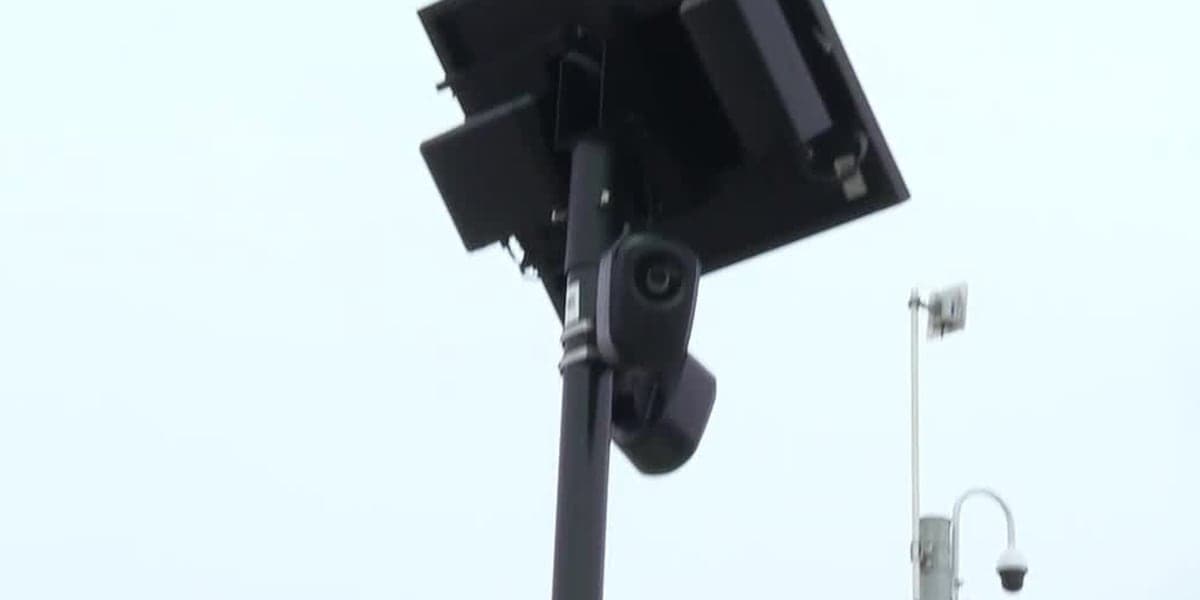
Sheriff prioritizes accountability over surveillance tools
The Leon County Sheriff's Office is deactivating its network of automated license plate readers, marking a significant reversal in the agency's use of surveillance technology. Undersheriff Ron Cave announced Tuesday that while vendors may need several weeks to physically remove the Flock cameras, the systems are being shut down immediately.
The decision reflects a deliberate choice to prioritize community relations over investigative capabilities. "Public trust and our accountability to the public is far more important," Cave told WCTV. "We can still perform our job. We can still perform our duties as it relates to reducing crime without the LPR technology."
Cave acknowledged that the automated readers have provided valuable assistance in investigations but said the sheriff had already been contemplating the suspension before external pressure materialized.
State directive accelerates local decisions
The timing coincides with Governor Ron DeSantis issuing a directive Monday to remove license plate readers from all state roads. However, Cave indicated the Leon County decision was already under consideration independently.
The Tallahassee Police Department is also removing readers from state roadways in compliance with the state transportation department's directive. TPD has not yet announced plans for license plate readers on city-controlled streets.
In a statement, TPD emphasized the technology's role in investigations involving missing persons, human trafficking, and violent crimes. The department said it looks forward to discussing the issue at the City Commission's September 9 meeting.
Why it matters
This represents a rare instance of law enforcement voluntarily discontinuing a surveillance technology that agencies typically defend as essential. The decision signals that mounting public concerns about automated tracking systems can outweigh their investigative benefits, even when agencies report the tools are effective. As automated license plate reader networks expand nationally, the Leon County approach may influence how other jurisdictions balance crime-fighting capabilities against privacy considerations and community trust.
Technology remains available but paused
The sheriff's office characterized the move as a pause rather than a permanent elimination, suggesting the agency may reevaluate the program after addressing public concerns. Cave said the cameras likely will not be covered during the removal period, meaning they could remain visible but inactive for up to two weeks.
The details were first reported by WCTV.
This is an original analysis by the Omega editorial team. Source reporting: Automation Watch.
Want systems like this working for your business?
Book a Call