Lawmakers Debate AI Taxes as 2026 Midterms Approach
Progressive Democrats propose levies on data center energy and AI tokens while Republicans warn against slowing U.S. development.
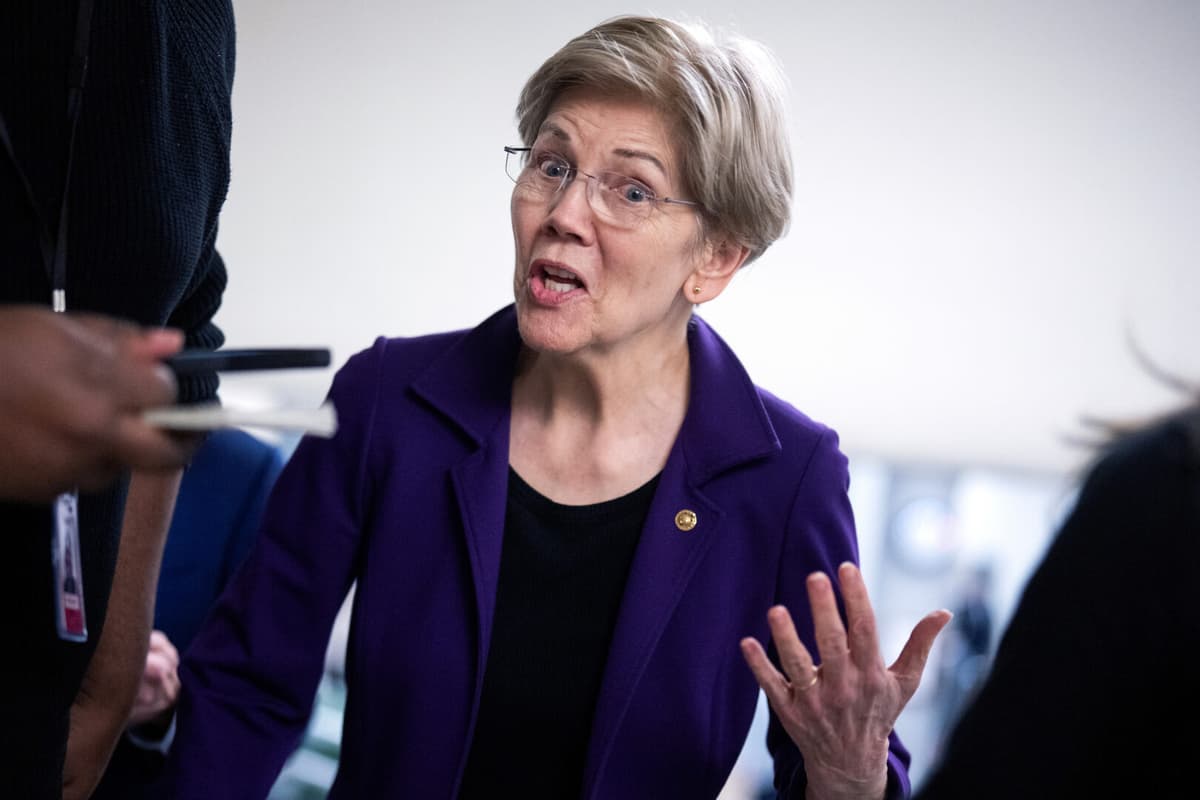
Competing visions for AI taxation emerge in Congress
As the 2026 midterm elections approach, progressive lawmakers are advancing proposals to tax artificial intelligence companies and redistribute revenue from the AI boom. The plans range from levies on data center energy consumption to taxes on AI tokens—the units of data processed by AI models.
Sen. Elizabeth Warren of Massachusetts proposed an excise tax on data center energy usage in a Time op-ed last month, positioning it alongside wealth tax proposals as a way to address economic disparities. Rep. Greg Casar of Texas, who chairs the Congressional Progressive Caucus, is calling for a tax on AI tokens. Sen. Ron Wyden of Oregon, the ranking Democrat on the Senate Finance Committee, is exploring taxes on tech companies to fund a wage-security program for workers displaced by AI, according to an aide.
Michigan state Sen. Mallory McMorrow has similarly proposed taxing commercial AI uses to fund apprenticeship programs.
Industry voices join the debate
Some AI company leaders are acknowledging the need for policy intervention. Anthropic CEO Dario Amodei wrote in January that the "extreme levels of inequality" he anticipates from AI "justify a more robust tax policy on basic moral grounds." He added a pragmatic argument that billionaires should support "a good version" of such policies before "they'll inevitably get a bad version designed by a mob."
Republican resistance centers on competitiveness concerns
Sen. Mike Rounds of South Dakota, who co-chairs the Senate Artificial Intelligence Caucus, warned that taxing AI could slow U.S. development and push innovation to other countries. "If you start to tax it, you slow it down, and it goes elsewhere," Rounds said, adding that he would "rather have those decisions being made here at the forefront rather than in China."
Not all Republicans oppose new levies, however. Sen. Josh Hawley of Missouri called the tax push "not bad" and emphasized the need for guardrails to ensure AI companies work for the public good and that workers have a say in how AI is adopted.
Why it matters
The debate reflects fundamental uncertainty about AI's economic impact at a moment when Congress has yet to pass substantial AI regulation. Many AI companies remain unprofitable, complicating the case for immediate taxation. Yet progressives argue the technology's training on human work and its potential to displace workers justify preemptive policy action. The outcome will shape whether the U.S. treats AI as an innovation to protect or a windfall to redistribute.
Uncertain economic impact slows momentum
Policy analysts note that dire predictions about AI's labor market impact have not yet materialized. OpenAI CEO Sam Altman said in late May that the "jobs apocalypse" he had feared looks less likely than anticipated. Alex Muresianu of the Tax Foundation said the absence of catastrophic job losses would likely move the debate "to a more prudent place in terms of continuing with core tax policy principles."
Andrew Lautz of the Bipartisan Policy Center said the progressive proposals make sense "if you believe that AI is the broadest technological disruption since the World Wide Web," but added that "we don't know" if that will prove true.
Lawmakers have introduced dozens of AI-related bills during the 119th Congress, but none have gained significant momentum. President Donald Trump signed an executive order this month giving AI companies the option to provide voluntary federal oversight of advanced models, and said he would meet with AI companies "in the very near future" to discuss possible federal government stakes in the firms.
These details were first reported by Roll Call.
This is an original analysis by the Omega editorial team. Source reporting: AI Watch.
Want systems like this working for your business?
Book a Call
