Lancaster School Sued Over AI-Generated Child Abuse Images
Federal lawsuit alleges institutional failure after two students created deepfake nudes of 59 classmates using artificial intelligence.
Federal Lawsuit Targets School and AI Companies
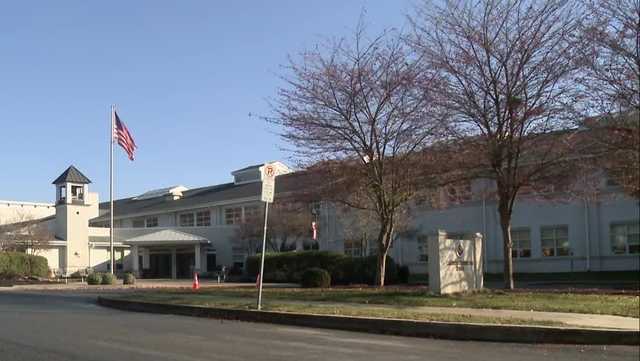
More than a dozen victims and their families have filed a federal lawsuit against Lancaster Country Day School, two former students, and artificial intelligence companies following a case in which teenage boys used AI tools to generate fake nude images of female classmates.
The civil action, filed Monday in federal court by Kline & Specter, P.C., names the Pennsylvania private school, the two 16-year-old boys who created the images, their parents, and unspecified AI companies as defendants. The lawsuit describes the incident as "an extended, catastrophic institutional failure."
Criminal Case Preceded Civil Action
Both teenage defendants were adjudicated delinquent in juvenile court on 59 felony counts of manufacturing child sexual abuse material, according to the Pennsylvania Attorney General's Office. Court documents indicate the boys created more than 350 deepfake images depicting 59 underage girls from their school.
Why it matters
This case represents one of the first major institutional accountability tests for AI-generated child sexual abuse material in educational settings. The lawsuit's inclusion of AI companies as defendants could establish legal precedent for platform liability when their tools are used to create synthetic child exploitation imagery—a growing concern as generative AI becomes more accessible and realistic.
Allegations of Institutional Failure
The lawsuit alleges Lancaster Country Day School received multiple reports about the deepfake images throughout June 2024 but failed to take action. According to the complaint, mandated reporters at the school did not fulfill their legal obligations, allowing the two students to continue creating images and victimizing additional classmates.
The civil filing further claims that school staff—including the head of school, administrative assistants, and the board president—engaged in misconduct that obstructed the subsequent criminal investigation. Students were allegedly discouraged from speaking with law enforcement and denied appropriate support services.
Documented Psychological Harm
Victims described in the lawsuit report experiencing anxiety, panic attacks, depression, and post-traumatic stress disorder following the incident. The complaint states that the experience has fundamentally damaged their high school years.
The plaintiffs are seeking compensatory damages, punitive damages, attorney's fees, and additional relief as determined by the court.
Broader Implications for Schools and Tech Companies
The case highlights emerging challenges at the intersection of artificial intelligence accessibility, child safety, and institutional responsibility. Schools nationwide are grappling with how to address AI-generated harmful content, while technology companies face increasing scrutiny over whether their platforms adequately prevent misuse for creating synthetic child exploitation material.
Details of this lawsuit were first reported by WGAL.
This is an original analysis by the Omega editorial team. Source reporting: AI Watch.
Want systems like this working for your business?
Book a Call