Kevin O'Leary to Shrink Utah AI Data Center After State Demands
The investor will reduce the Stratos project from 40,000 to roughly 10,000 acres following pressure from Utah's Senate president over water and environmental concerns.
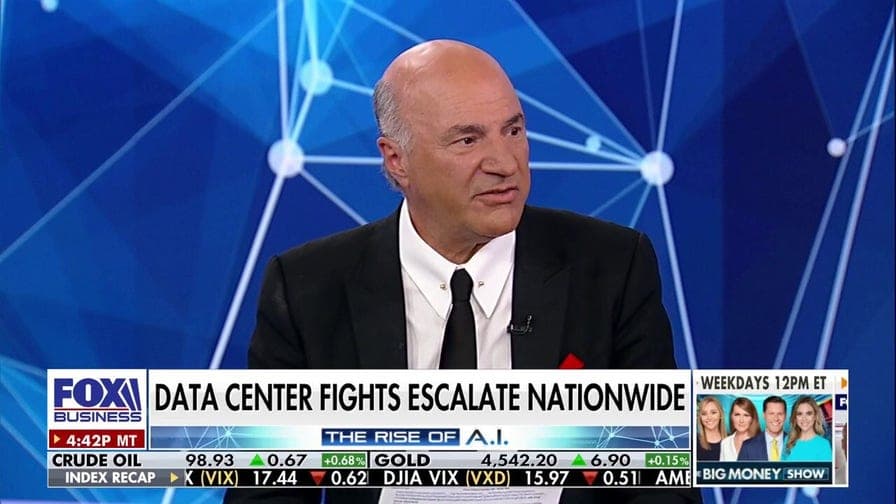
O'Leary Agrees to Major Project Reduction
Investor Kevin O'Leary has agreed to substantially reduce the size of a massive artificial intelligence data center project in Utah after the state's top legislative leader demanded a 75% cut to its footprint and stronger environmental protections.
O'Leary told reporters Wednesday he would shrink the proposed Stratos data center development in Box Elder County from approximately 40,000 acres to around 10,000 acres. The project has been promoted as one of the world's largest AI-focused data center developments.
"I have no choice," O'Leary said at a Washington AI Network event, acknowledging the political pressure behind the demand.
State Demands Environmental Safeguards
Utah Senate President J. Stuart Adams sent a letter Monday formally requesting the reduction and outlining specific environmental requirements. The Republican leader called for the project to deploy the latest water-minimizing technology, dedicate any excess treated water to the Great Salt Lake, and establish formal agreements to preserve wildlife habitat and agricultural land.
"Utah can pursue economic opportunity while protecting our water, air, wildlife and communities," Adams said in a statement. "We can and must do both."
Adams noted that multiple legislative committees are currently examining how large-scale developments affect the state's water supply, energy infrastructure, land use, and environmental resources. Utah has invested over $1 billion in water conservation and infrastructure projects while increasing oversight of major developments.
Growing Opposition and Water Concerns
The project has faced mounting opposition from residents and environmental advocates concerned about strain on water supplies, power infrastructure, and local communities. O'Leary has previously characterized some criticism as misinformation, questioning who is funding opposition campaigns.
"Why are they getting it from a false initiative?" O'Leary said, suggesting opponents are spreading inaccurate information about the project's impacts.
The investor acknowledged the political dimension of Adams' demand, saying the Senate president "has to address those issues, and so do I."
O'Leary plans to submit a formal response with details of the revised proposal by Friday.
Why it matters
The confrontation highlights the growing tension between AI infrastructure expansion and environmental constraints in Western states. As tech companies race to build data centers for AI computing, they're colliding with water scarcity concerns in regions like Utah, where the Great Salt Lake has reached historically low levels. The outcome could set precedents for how states balance economic development with resource protection as AI infrastructure demands accelerate.
Details of the project reduction were first reported by NBC News.
This is an original analysis by the Omega editorial team. Source reporting: AI Watch.
Want systems like this working for your business?
Book a Call
