Judge Rules Pentagon Illegally Retaliated Against Anthropic
Federal court strikes down Defense Department's supply chain risk designation after AI company refused to allow military use of its models for surveillance and weapons.
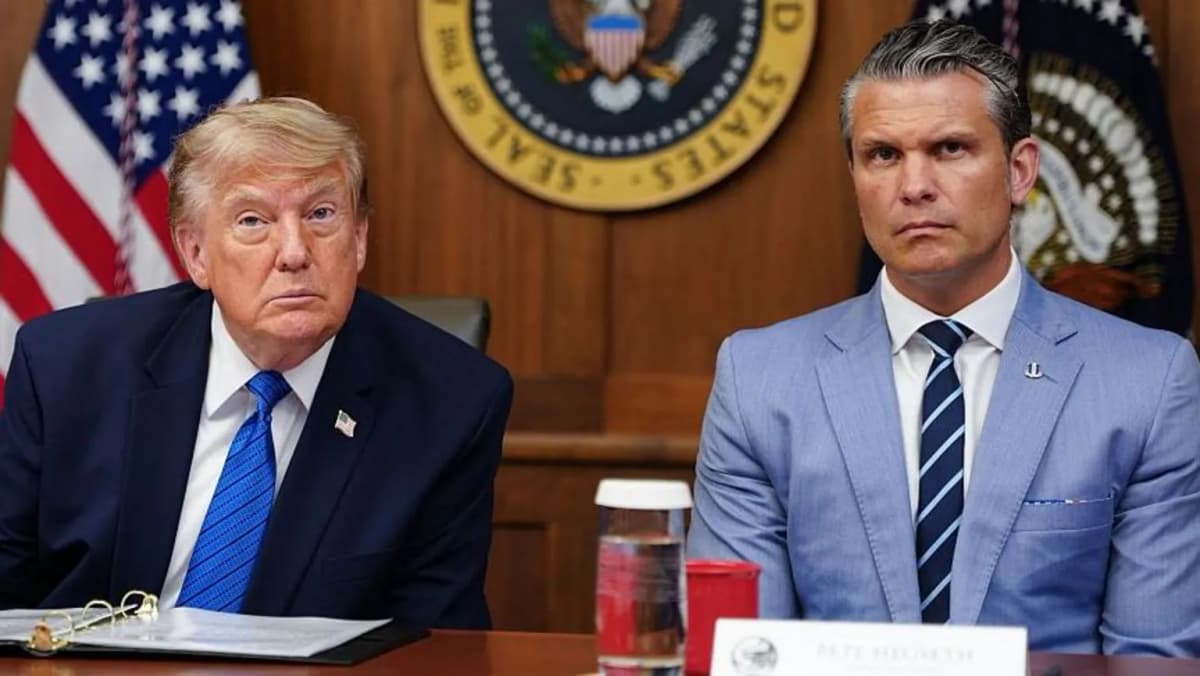
A federal judge has struck down the Pentagon's designation of Anthropic as a supply chain security risk, ruling that Defense Secretary Pete Hegseth exceeded his authority and engaged in unconstitutional retaliation against the AI startup.
US District Judge Rita Lin found that the Defense Department acted unlawfully when it ordered military contractors to boycott Anthropic, the company behind the Claude AI assistant. The designation came after Anthropic declined to permit the military to use its AI models for surveillance operations or autonomous weapons systems.
An Unprecedented Move
The February designation marked the first time the Pentagon had publicly labeled an American company as a supply chain risk under authorities typically reserved for firms based in adversarial nations. The Defense Department directed companies doing business with the military to cease working with Anthropic.
According to the BBC, which first reported the court ruling, Anthropic argued in its lawsuit that it refused military applications because its models were not reliable enough for safe deployment in weapons systems. The company also cited opposition to domestic surveillance as a violation of civil rights.
The Pentagon defended its actions at the time, asserting that private companies should not constrain military operations. The White House characterized Anthropic as "a radical left, woke company" attempting to control military activity and stated the armed forces answer to the Constitution, "not any woke AI company's terms of service."
First Amendment Concerns
Judge Lin rejected the government's position, writing that invoking national security "is not a blank check to punish and retaliate against government critics." In earlier proceedings, the judge stated the government appeared to be trying to "cripple" Anthropic and "chill public debate" over military AI applications.
"This appears to be classic First Amendment retaliation," Lin added.
Anthropic's lawsuit contended the designation harmed its business operations and violated its free speech rights. The company maintained it remains committed to "working productively with the government to harness AI for our national security so all Americans benefit from this technology," a spokesperson told the BBC.
Why it matters
The ruling establishes important precedent for how AI companies can set ethical boundaries without facing government retaliation. As military organizations worldwide race to integrate artificial intelligence into defense systems, the decision affirms that private companies retain constitutional protections when declining contracts based on safety or civil liberties concerns. The case also highlights growing tensions between rapid AI militarization and industry efforts to establish responsible use frameworks.
The Pentagon and White House had not commented on the ruling at the time of the BBC's report.
This is an original analysis by the Omega editorial team. Source reporting: AI Watch.
Want systems like this working for your business?
Book a Call
