John Ternus Takes Over as Apple CEO With AI Challenges Ahead
The hardware engineering veteran inherits a company racing to catch up in generative AI while managing a packed product pipeline.
Apple's leadership transition becomes official September 1, when John Ternus assumes the chief executive role after 23 years with the company. The 51-year-old hardware engineering leader takes the helm at a pivotal moment, with Apple under intense scrutiny over its artificial intelligence strategy and a major product launch just days away.
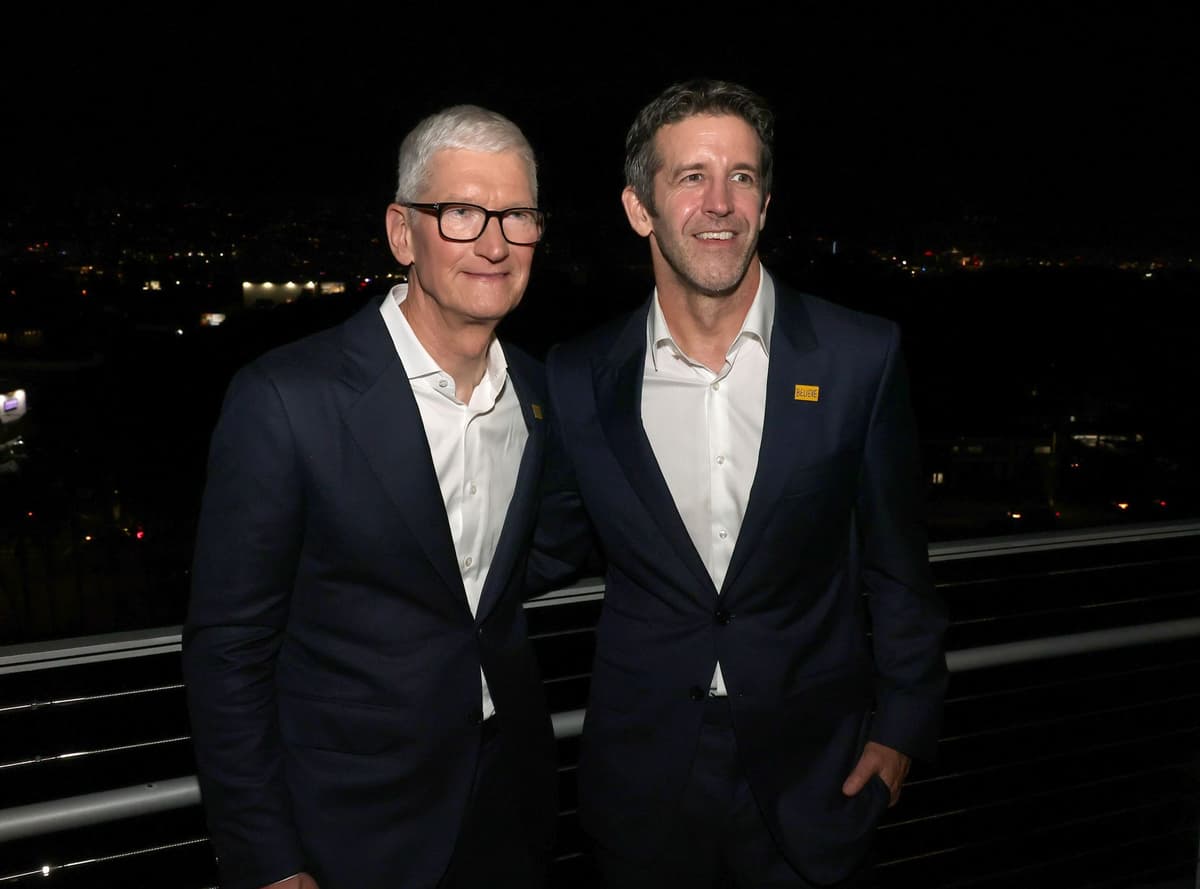
Tim Cook, who led Apple for 15 years, transitions to executive chairman and will continue managing the company's relationships with the Trump administration and Chinese government, according to Bloomberg, which first reported these details. Cook has also made himself available to support Ternus as needed. Art Levinson, currently board chair, becomes lead independent director.
Immediate product test
Ternus faces his first major public appearance as CEO on September 9, when Apple hosts a launch event at its Cupertino campus. The event is expected to showcase the company's first foldable iPhone, new Apple Watch models, and a completely rebuilt Siri voice assistant powered by large language models.
The AI imperative
The most pressing challenge Ternus inherits is Apple's position in artificial intelligence. The company has faced mounting criticism over its slow progress in generative AI and the delayed modernization of Siri, which prompted a leadership shake-up in the AI division. Apple made the strategic decision to rebuild Siri using Google's Gemini technology as its foundation, with full deployment scheduled for September. Bloomberg reported that early reviews of the new system have been positive.
The AI software delays have cascaded through Apple's product roadmap. Multiple hardware products Ternus oversaw as senior vice president of hardware engineering—including AirPods with environment-sensing cameras, smart glasses, a home security system, a display on a robotic arm, and a wearable pendant—have been pushed back because the supporting AI capabilities weren't ready.
Why it matters
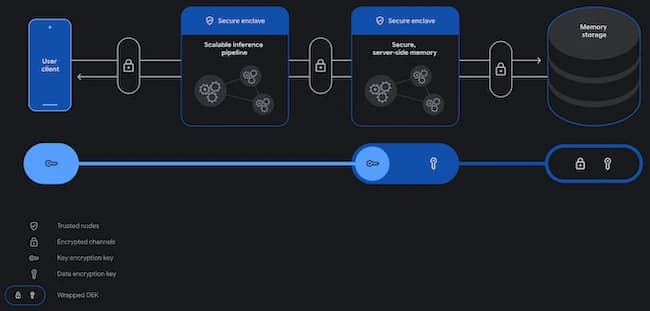
Apple's AI catch-up effort directly affects its competitive position in the smartphone market and its ability to justify premium pricing. The company's strategy of processing AI workloads on-device rather than in the cloud represents a fundamental architectural bet that distinguishes it from competitors. Success or failure in executing this vision will define Ternus's early tenure and could reshape Apple's market position for years.
Operational challenges
Beyond AI, Ternus inherits supply chain constraints that have driven recent price increases. Apple is dealing with a persistent shortage of memory and storage chips that the company doesn't expect to resolve until next year. For these operational and financial challenges—areas where Cook built his reputation—Ternus is expected to rely heavily on Chief Operating Officer Sabih Khan and Chief Financial Officer Kevan Parekh rather than managing them directly.
During his final earnings call as CEO, Cook emphasized Apple's on-device AI processing as a strategic advantage over cloud-dependent rivals and described "enormous opportunities" ahead in artificial intelligence.
These details were first reported by Bloomberg.
This is an original analysis by the Omega editorial team. Source reporting: AI Watch.
Want systems like this working for your business?
Book a Call