Intel Xeon 6 to Support 8000 MT/s Memory, Targeting AI Bottlenecks
Intel says memory bandwidth is becoming a strategic differentiator as AI workloads push data movement to the forefront of infrastructure design.
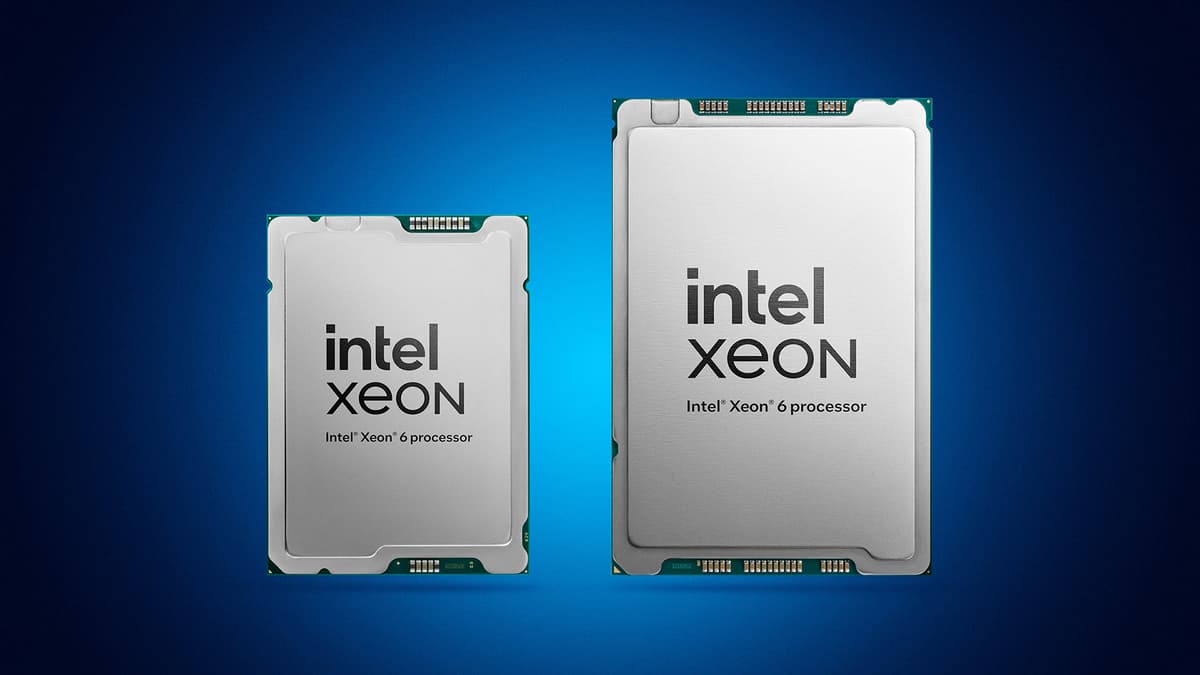
Intel positions memory speed as AI infrastructure priority
Intel plans to bring 8000 MT/s RDIMM support to its Xeon 6 processor platform, a move the company says will make it the first mainstream server platform to reach that memory speed threshold. According to Intel Fellow Srini Krishna, writing in an Intel Newsroom opinion piece, the enhancement targets a performance constraint that often goes overlooked: the ability to move data fast enough to keep AI accelerators and CPUs productive.
The Xeon 6700P processor line is planned to support the faster memory on select SKUs through a UPLR release and BIOS update, with production availability targeted for August through September 2026. Intel says the upgrade delivers a 25% increase in memory speed over current 6400 MT/s RDIMMs and reduces memory latency by 6%.
Why it matters
As AI models grow larger and GPU configurations become denser, memory bandwidth increasingly determines whether expensive accelerators spend their time computing or waiting for data. Organizations investing heavily in AI infrastructure may find that memory performance—not just accelerator count—becomes the limiting factor in system throughput. Intel's roadmap signals that memory speed is moving from a background specification to a competitive differentiator in data center design.
Performance gains target data-intensive workloads
Intel's internal measurements show the 8000 MT/s memory delivers up to 20% more total memory bandwidth compared to 6400 MT/s RDIMM deployments, with higher gains in memory-bandwidth-sensitive applications. The company frames this as a system balance issue: faster accelerators and higher core counts only deliver full value when the platform can supply them with data efficiently.
For data center operators, the practical implication is that memory bottlenecks can create performance losses that cascade across the entire stack—from CPUs to accelerators to storage.
Roadmap extends to 8800 MT/s in 2027
Looking beyond the initial 8000 MT/s RDIMM support, Intel plans to enable Gen 2 MRDIMM support at up to 8800 MT/s for Xeon 6900P processors in the first quarter of 2027. That platform is designed for high-core-count configurations ranging from 72 to 128 cores, continuing the memory bandwidth scaling as compute density increases.
Krishna argues that memory speed is transitioning from a line item on a spec sheet to a strategic infrastructure decision. Organizations that treat it as such, he suggests, will be better positioned to extract value from AI investments by building balanced systems where data movement keeps pace with compute capability.
The details were first reported by Intel in a company opinion piece authored by Krishna, a fellow in Intel's Data Center Group.
This is an original analysis by the Omega editorial team. Source reporting: AI Watch.
Want systems like this working for your business?
Book a Call