Illinois enacts first-in-nation AI safety law with audit mandate
The Artificial Intelligence Safety Measures Act requires incident reporting, third-party audits, and whistleblower protections starting in 2027.
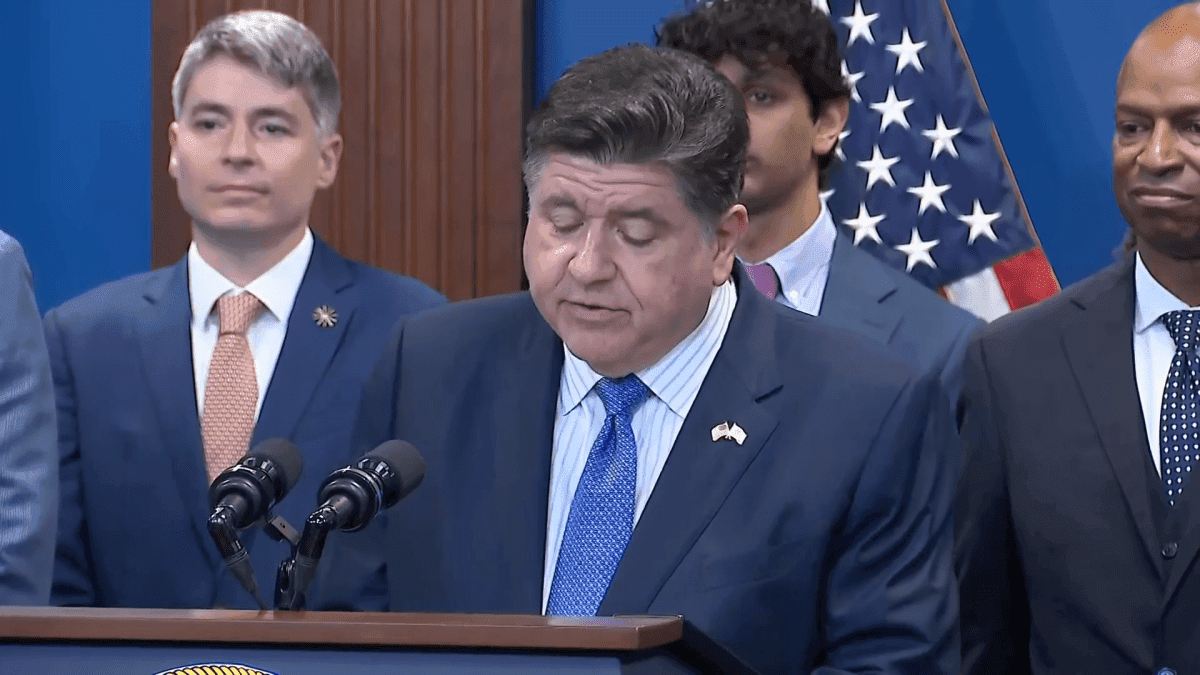
Illinois sets new standard for AI oversight
Illinois Governor JB Pritzker signed the Artificial Intelligence Safety Measures Act on Monday, establishing what advocates are calling the strongest state-level AI safety framework in the United States. The legislation takes effect January 1, 2027, and applies to large AI developers including OpenAI and Anthropic, both of which supported the measure.
According to NBC Chicago, which first reported the details, the law creates mandatory disclosure requirements and incident reporting timelines that exceed those in similar California and New York legislation.
Core requirements and enforcement
The law mandates that AI companies publicly disclose their safety practices and report critical safety incidents within 72 hours. When an incident poses imminent risk of death or serious physical harm, that window shrinks to 24 hours.
Illinois becomes the first state to require third-party audits of AI systems. Companies that fail to comply face fines of $1 million for initial violations and up to $3 million for subsequent infractions. The legislation also establishes protections for whistleblower employees who raise AI safety concerns.
Sunny Gandhi, co-executive director of Encode AI, characterized the law as "the strongest AI safety law in the country."
Why it matters
This legislation represents a shift from reactive to preventive AI regulation at the state level. By requiring third-party audits and rapid incident reporting before a major catastrophe occurs, Illinois is creating accountability mechanisms that could influence federal policy and serve as a template for other states. The bipartisan support and backing from major AI companies suggests a growing consensus that self-regulation alone is insufficient.
Lawmakers cite emerging threats
State legislators pointed to specific incidents to justify the new framework. State Representative Daniel Didech referenced what he described as "the first AI-inspired mass shooting" and attacks on municipal water and drainage utilities using AI systems.
State Senator Mary Edly-Allen, who co-sponsored the bill, cited fraud, election interference, and cyber threats as additional concerns. "This bipartisan law is about putting responsible safeguards in place before a preventable catastrophe occurs," she said in a news release.
Additional AI regulations under consideration
Illinois lawmakers indicated they may pursue further AI regulations during the veto session later this year. Illinois House Speaker Emanuel "Chris" Welch noted that AI continues to affect online pricing, utility bills, natural resources, and democratic decision-making.
Edy-Allen told NBC 5 she wants to address AI issues related to education and child safety, including mental health concerns and chatbot use. "If we got social media wrong, and we did, we cannot afford to get AI wrong at an even greater scale," she said.
The state has already enacted legislation addressing AI in hiring practices, deepfake pornography, and protections for artists whose voices are used without consent.
The details were first reported by NBC Chicago.
This is an original analysis by the Omega editorial team. Source reporting: AI Watch.
Want systems like this working for your business?
Book a Call
