Illinois Enacts AI Safety Law Targeting Frontier Model Risks
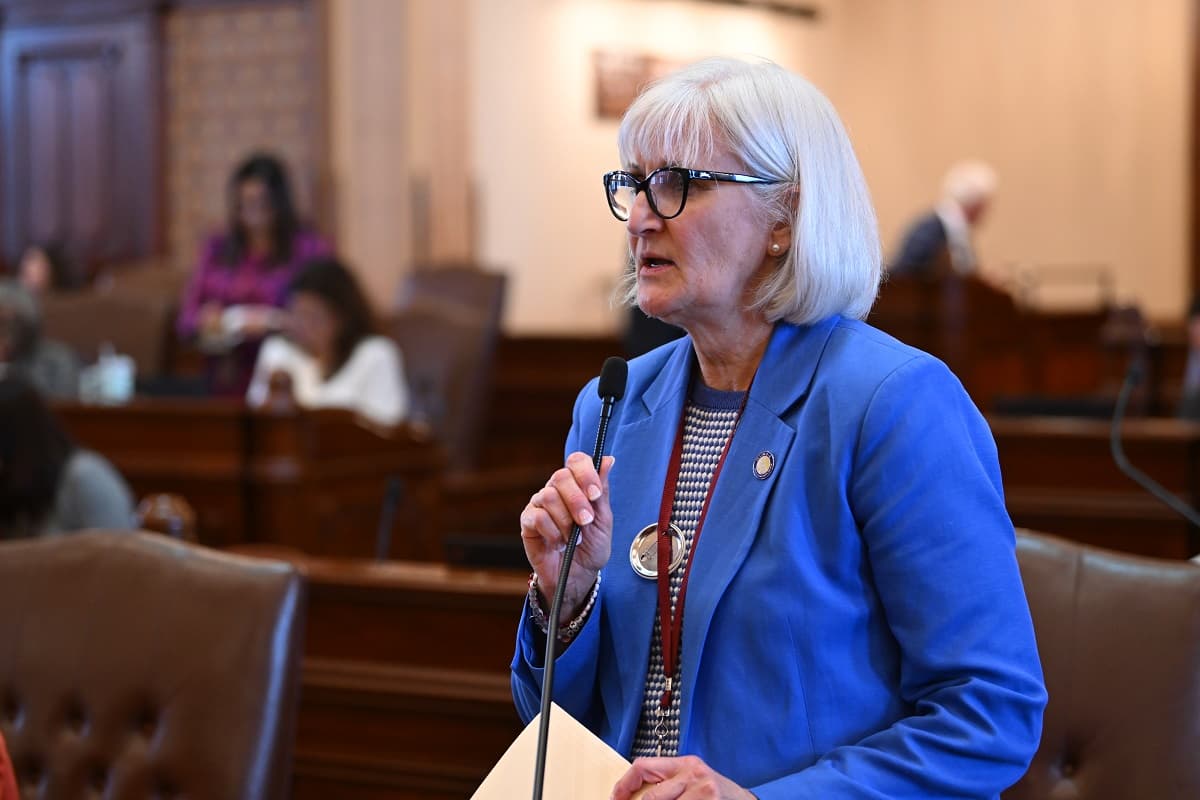
State Senator Mary Edly-Allen shepherded legislation making Illinois the third state to regulate catastrophic AI threats.
Illinois has joined California and New York as the only U.S. states with laws specifically designed to prevent catastrophic harms from advanced artificial intelligence systems.
The legislation, which took effect this year, focuses on so-called frontier models — the most powerful AI systems that could potentially enable cyber attacks, nuclear threats, or other large-scale disasters. State Senator Mary Edly-Allen, a Democrat, introduced and championed the bill through the legislative process.
A quieter path to AI regulation
While California Senator Scott Wiener and New York Assemblymember Alex Bores drew significant attention as authors of their states' AI safety measures, Edly-Allen maintained a lower public profile during Illinois's legislative effort. All three lawmakers are Democrats who successfully navigated the complex task of regulating emerging technology through their respective state legislatures.
The Illinois law represents part of a growing state-level response to concerns about advanced AI capabilities. As federal AI regulation remains largely aspirational, states have moved to establish guardrails around the most powerful systems before they potentially cause harm.
Why it matters
The expansion of AI safety laws beyond California signals that frontier model regulation is becoming a bipartisan priority at the state level, not just a coastal phenomenon. Illinois's approach provides a third model for other states considering similar legislation, potentially accelerating the patchwork of AI governance that companies must navigate. The focus on catastrophic risks — rather than broader AI applications — suggests states are prioritizing the most extreme threat scenarios as they develop regulatory frameworks.
Focus on frontier threats
The three state laws share a common focus: preventing the most advanced AI models from enabling catastrophic events. This includes scenarios where AI systems could facilitate major cyber attacks, provide pathways to nuclear weapons development, or create other existential threats.
By targeting frontier models specifically, these laws distinguish between everyday AI applications and the cutting-edge systems developed by major technology companies. This approach attempts to balance innovation concerns with safety imperatives.
The details were first reported by Pluribus News.
This is an original analysis by the Omega editorial team. Source reporting: AI Watch.
Want systems like this working for your business?
Book a Call