Illinois AI Bullying Law Takes Effect Alongside 13 Other Measures
New legislation addresses unauthorized AI-generated images in schools, makes cocktails-to-go permanent, and launches early childhood department.
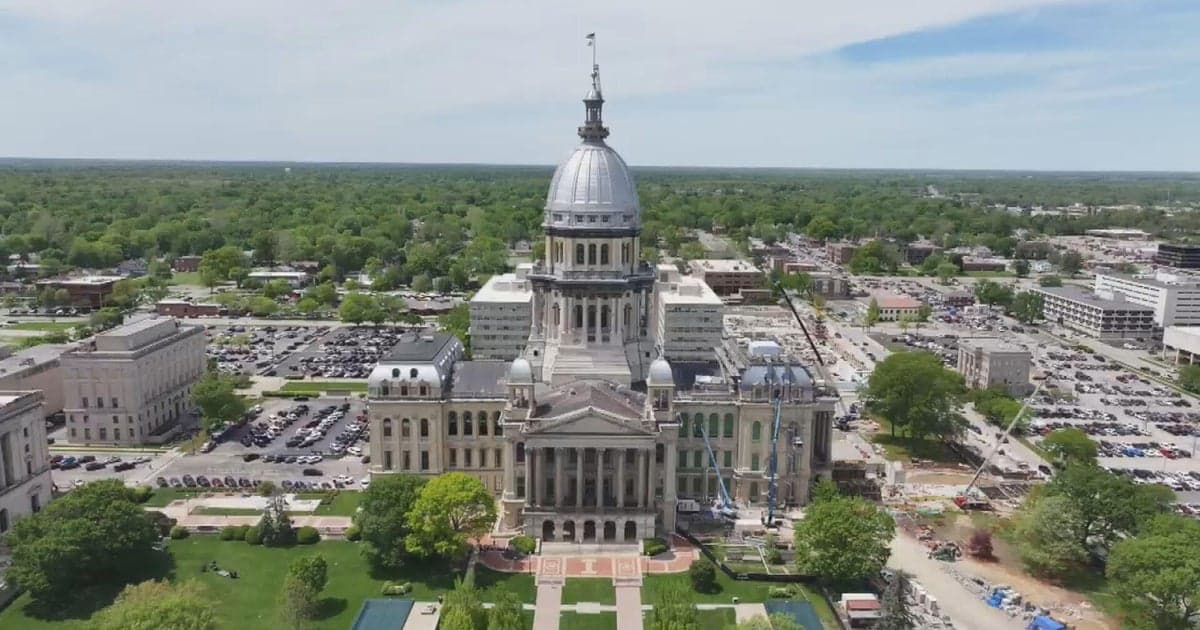
Illinois activated 14 new state laws on July 1, 2026, alongside its $56 billion fiscal year 2027 budget, introducing regulations spanning artificial intelligence in schools, alcohol service, and government restructuring.
AI-Generated Images Now Classified as Cyberbullying
House Bill 3851 expands Illinois school code to classify posting or distributing unauthorized AI-generated images as cyberbullying. The law specifically targets sexual images created through artificial intelligence tools.
"Many people are using AI to produce harmful materials, which has led to a whole new level of cyberbullying," said Sen. Meg Loughran Cappel, D-Shorewood, who sponsored the legislation. "We cannot let our laws fall behind technology."
The measure builds on 2025 legislation that allowed prosecutors to charge the creation of AI-generated sexual images of children under existing child pornography statutes. Illinois lawmakers have pursued multiple AI regulatory efforts, particularly focused on educational settings.
Pandemic-Era Cocktail Delivery Becomes Permanent
Senate Bill 618 codifies a temporary pandemic allowance that permitted restaurants and bars to sell cocktails and mixed drinks for pickup or delivery. The provision, originally enacted when businesses faced closure to in-person customers, is now permanent law six-and-a-half years after its emergency implementation.
New Department Consolidates Early Childhood Services
The Department of Early Childhood officially launched July 1, fulfilling a priority initiative from Gov. JB Pritzker's second term. Senate Bill 1, which passed with bipartisan support in 2024, consolidates early childhood services previously scattered across multiple state agencies.
The new department will oversee preschools, childcare centers, home visiting programs, and early intervention services under unified administration. Teresa Ramos, formerly of the governor's education policy team, will direct the agency. Lawmakers allocated $2.1 billion from the General Revenue Fund for fiscal year 2027.
Prison Contraband Reporting Requirements Expand
Senate Bill 2201 mandates enhanced transparency from the Department of Corrections regarding contraband incidents. The agency must now file annual reports detailing what contraband was discovered, its location within facilities, entry methods, and resulting disciplinary actions.
The law also requires IDOC to document medical responses and staff hospitalizations, including causation data. The measure responds to ongoing scrutiny of substance exposures within correctional facilities.
Statewide Public Defender Office Moves Forward
House Bill 3363 initiates the creation of an Office of State Public Defender by requiring appointment of an 11-member commission by October 1. The commission will identify costs and funding sources for the new office. Additional implementation provisions take effect January 1, 2027.
Why It Matters
The AI cyberbullying law represents one of the first state-level attempts to address deepfake harassment in educational settings, establishing a regulatory framework other states may examine as generative AI tools become more accessible. The consolidation of early childhood services under a single department could improve coordination and funding efficiency for programs that have historically operated in silos across government agencies.
Capitol News Illinois first reported these details about the new laws taking effect July 1.
This is an original analysis by the Omega editorial team. Source reporting: AI Watch.
Want systems like this working for your business?
Book a Call
